GoodWeighFinds is for general information only and is not medical advice. Readers should talk with a qualified healthcare professional before starting weight-loss products, supplements, diets, or exercise changes.
Buying guide
Best Lunch Bags for Weight-Loss Meal Prep at Work
A work lunch bag can make planned meals easier to bring along, but it is still just a carrying tool. The useful buying question is whether the bag fits your containers, commute, workplace storage, cooling setup, and cleaning tolerance without turning lunch into a weight-loss promise.
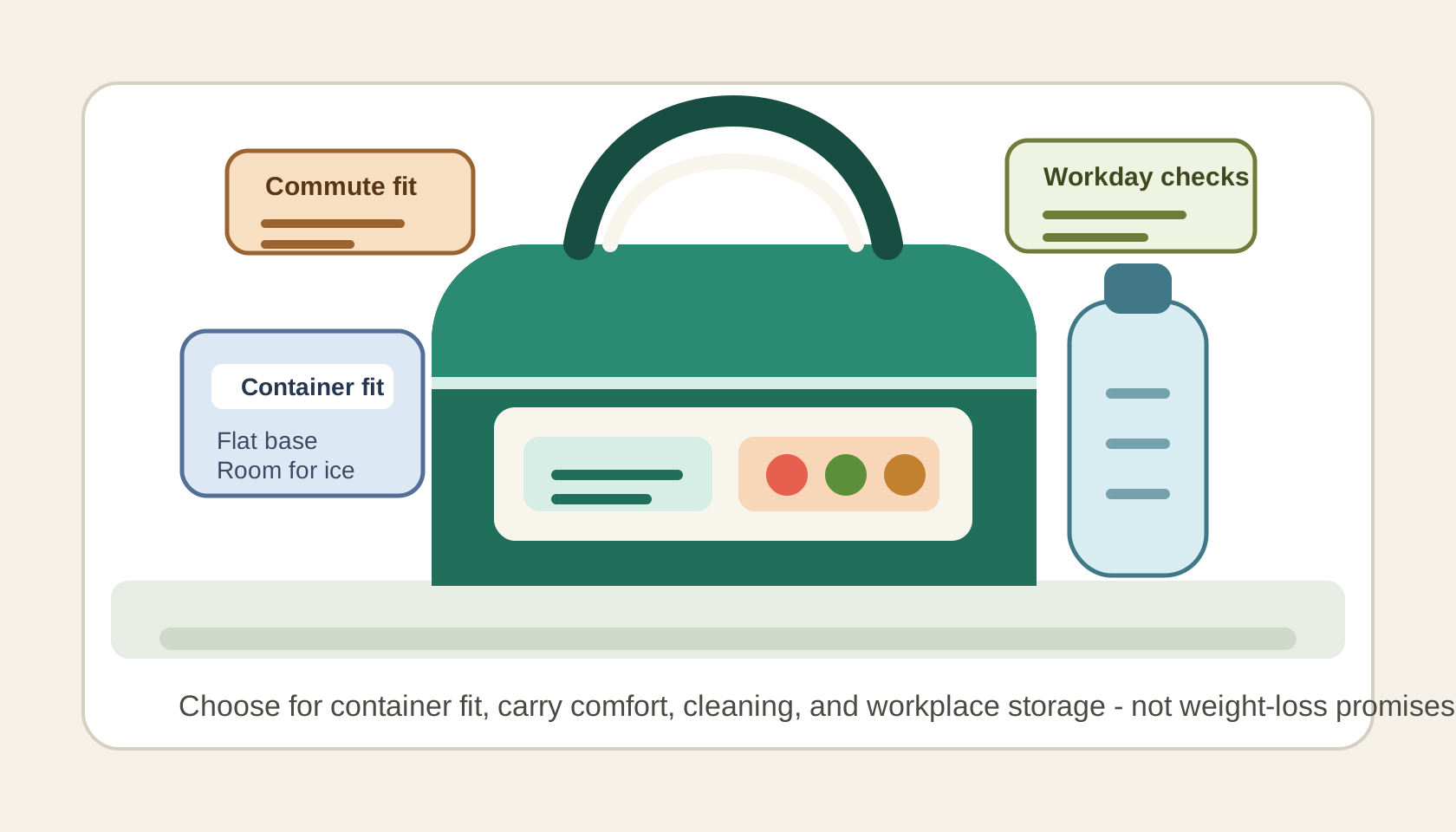
Who this guide is for
This guide is for adults who pack meals for work and want a practical lunch bag that supports routine planning without diet hype. It is not a ranked review list, and GoodWeighFinds has not tested specific lunch bags hands-on for this page.
For the broader framework, start with the routine-support tools guide. If you want a deeper pre-buy checklist for insulation and claim red flags, read the insulated lunch bag guide before comparing specific styles.
Best fit categories, not product rankings
Use these categories to sort product pages by workday fit. A lunch bag does not need calorie language, body-change claims, or strict portion-control branding to be useful.
- Best for office refrigerators: A compact soft-sided bag that fits on a crowded shelf and does not need a rigid cooler footprint.
- Best for long commutes: A structured insulated bag with room for an ice pack, stable container stacking, and a comfortable shoulder strap.
- Best for glass containers: A wider flat-bottom bag with enough support for heavier meals and less risk of containers tipping sideways.
- Best for small desks or lockers: A slim bag with a simple handle, wipeable lining, and no bulky side pockets that snag in tight storage.
- Best for low-cleanup routines: A bag with a light-colored, wipeable interior, fewer seams, and enough opening width to clean spills fully.
Selection criteria for work meal prep
Work lunches fail in ordinary ways: the bag does not fit the container, the ice pack crowds out food, the zipper leaks sauce into a backpack, or the whole thing is too awkward to carry with a laptop and keys.
- Interior dimensions: Compare the usable inside width, depth, and height against the containers, snack box, bottle, utensils, and ice pack you actually carry.
- Stable base: A flat base helps containers stay level during a commute and reduces the temptation to underpack just to make the bag close.
- Cooling space: Look for room for an ice pack when food will sit away from a refrigerator. Insulation slows temperature change; it does not make food safe by itself.
- Cleaning reality: Prefer a lining you can wipe, air-dry, and inspect. Deep seams and fabric interiors can turn one spill into a lingering problem.
- Carry comfort: Loaded weight matters, especially if you also carry work gear. Check strap width, handle placement, and whether the bag stays balanced.
- Workplace storage: A bag should fit your desk, locker, cubby, shared fridge, or breakroom shelf without becoming a daily negotiation.
Comparison framework
Before buying, compare options with a plain workday scorecard. The best lunch bag is the one that removes friction without adding diet pressure, food-safety overconfidence, or cleanup you will avoid.
- Will your usual containers fit flat with the lid fully closed?
- Can you add an ice pack without crushing food or forcing smaller meals than you want?
- Can you carry it with your normal work bag, transit routine, parking walk, or stairs?
- Will it fit where you are allowed to store lunch at work?
- Can you clean the inside after a sauce, yogurt, fruit, or condensation spill?
- Would the bag still be useful if it caused no body change at all?
Food-safety and insulation claims need caution
Lunch bag listings often use confident words around cooling. Treat those as product claims, not guarantees. Real food-safety decisions depend on the food, starting temperature, ice packs, outside heat, time away from refrigeration, how often the bag is opened, and the health risks of the person eating it.
Use current public-health food-safety guidance for perishable foods rather than relying on an Amazon listing or marketing photo. If you are preparing food for someone at higher medical risk, conservative guidance from a qualified source matters more than a bag seller's wording.
Weight-loss marketing red flags
Lunch bags are usually lower-risk than supplements, detox products, appetite suppressants, patches, or stimulant products. Still, skip listings that promise fat loss, appetite control, "no excuses" discipline, or body transformation from the bag itself.
Be especially cautious with bundles that pair lunch bags with detox teas, stimulant powders, appetite-control products, GLP-1 alternative language, patches, or meal-replacement claims. Those categories need warning-first review, not casual add-on recommendations.
Who should skip a work lunch bag
Skip the purchase if the bag only works with a rigid food system you do not want, if you already own a tote that fits the job, or if tracking packed meals has started to feel stressful or punitive. A routine-support product should reduce friction, not create another rule to fail.
It is also worth skipping listings that use shame-based language, before-and-after imagery, strict portion messaging, or claims that bringing lunch guarantees weight loss. If meal planning has become distressing, rigid, or tied to unsafe restriction, a qualified healthcare professional, registered dietitian, or mental health professional with eating-concern experience is a better next step than another product.
Bottom line
The best lunch bag for weight-loss meal prep at work is the one that fits your real workday: containers, commute, cooling setup, storage spot, and cleaning habits. Buy for routine friction, not for body-result promises.