GoodWeighFinds is for general information only and is not medical advice. Readers should talk with a qualified healthcare professional before starting weight-loss products, supplements, diets, or exercise changes.
Routine-support pillar
Routine-Support Tools for Weight-Loss Habits, Without the Fat-Loss Promises
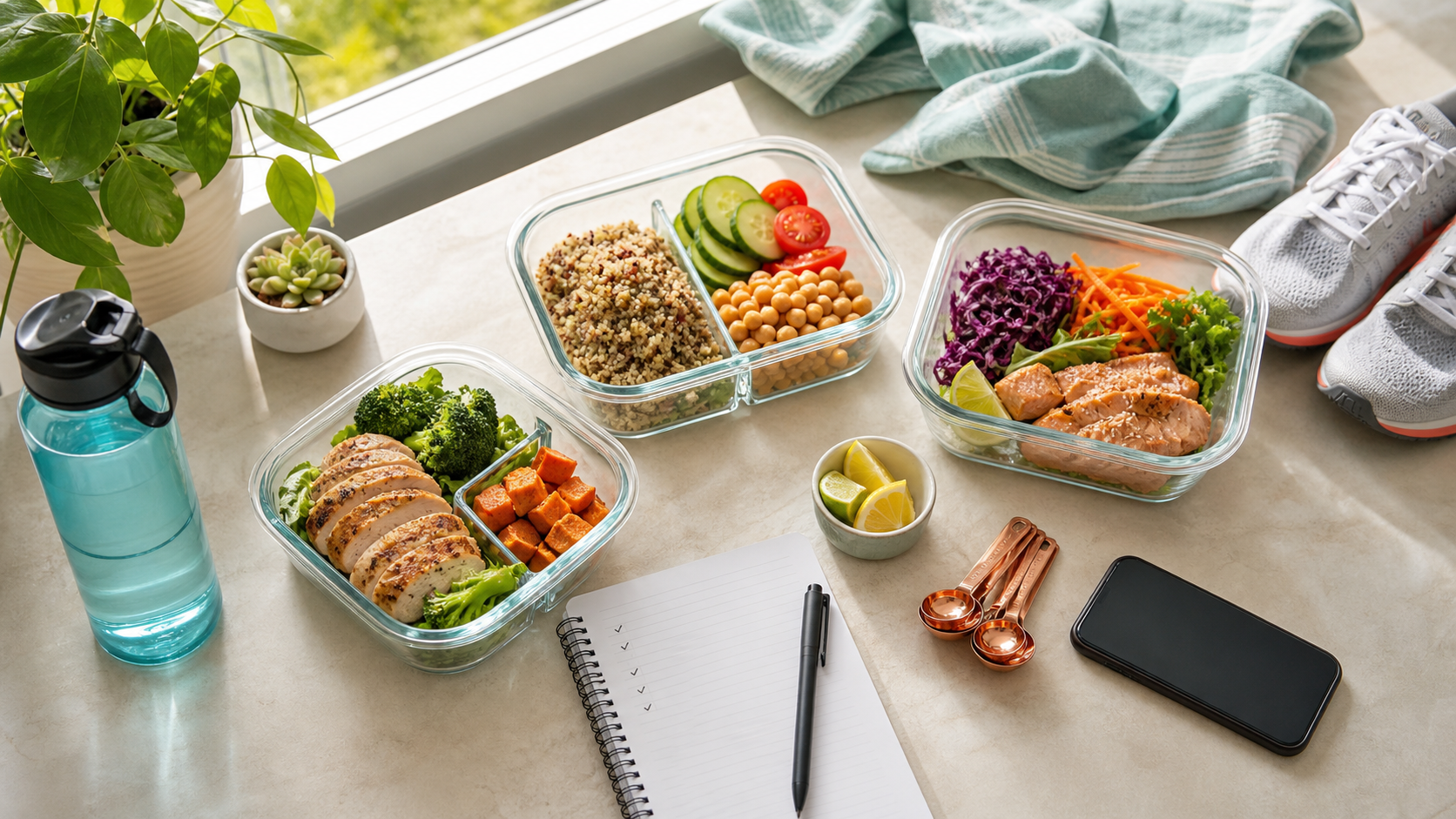
Some products can make ordinary routines easier: planning meals, drinking water, walking indoors, cooking at home, packing lunches, or noticing habits. That does not make them weight-loss products in the medical sense, and it does not mean a purchase can promise body changes.
Start with the job, not the promise
A safer way to shop is to name the practical job before comparing products. A food scale can measure ingredients. A water bottle can make hydration easier to remember. A walking pad can reduce friction around light movement. A journal can organize habits. None of those tools can guarantee fat loss, diagnose what a person needs, or replace qualified care.
This distinction helps keep product research useful. Feature claims are usually visible and limited. Outcome claims, especially claims about rapid weight loss, appetite control, metabolism, detoxing, inches lost, or body-composition changes, need much more skepticism.
Lower-risk categories to compare first
GoodWeighFinds generally starts with routine helpers before product categories that make body-result claims. Practical categories may include meal-prep containers, food scales, kitchen scales, water bottles, walking gear, journals, habit trackers, measuring tools, lunch bags, and simple cooking helpers.
These tools are still not right for everyone. A tracking product can become stressful. A measuring tool can feed rigidity. A walking tool may not fit a person's mobility, space, budget, or medical context. The safer framing is "could this reduce friction for a routine?" rather than "will this make weight loss happen?"
Selection criteria that matter
- Clear function: The product should solve a visible task without leaning on transformation language.
- Routine fit: It should match the reader's kitchen, schedule, storage space, cleaning tolerance, and budget.
- Low-friction design: Simple setup, clear controls, durable materials, and easy cleaning often matter more than extra features.
- Claim restraint: Prefer listings that describe what the product does instead of promising what a body will do.
- Skip criteria: The page should make it easy to decide when the product is not worth buying.
Claims that should slow the purchase down
Be careful when an ordinary tool is wrapped in medical-sounding or body-result language. Red flags include guaranteed results, rapid transformation, fat-burning, detox, appetite-control, metabolism-boosting, before-and-after proof, shame-based motivation, or customer reviews presented as evidence that the same result will happen for everyone.
Products that involve supplements, stimulants, patches, appetite suppression, GLP-1 alternative claims, hidden ingredients, extreme restriction, dehydration, laxatives, or body-composition promises need warning-first review and escalation before positive recommendation.
Useful support guides
For specific routine-support decisions, start with the food scale buying guide, the kitchen scale checklist, the measuring cups and spoons guide, the portion-control container guide, the walking pad buying guide, or the water bottle claim check. If meal planning is the main problem, compare the meal prep container guide, freezer container guide, insulated lunch bag guide, and food storage label guide. If movement is the routine bottleneck, compare the small walking pad guide with the walking shoes guide. For broader claim review, read how GoodWeighFinds checks weight-loss product claims.
Bottom line
The best routine-support tools are usually boring in a useful way. They help with a specific task, reduce friction, and stay honest about their limits. If a product only sounds appealing because the listing promises a body change, slow down and check the claim before buying.