If you are considering a food scale because portions feel confusing, the tool can help with one narrow job: measuring ingredients more consistently. What it cannot do is make weight loss automatic, diagnose eating habits, or tell you what your body needs.
That distinction matters. A kitchen scale is often marketed as a shortcut to control, precision, or faster results. In real life, it is just a measuring device. For some adults, that can make cooking and portion awareness easier. For others, especially anyone with a history of disordered eating, obsessive tracking, or anxiety around food, it may make meals more stressful. That is a good reason to pause before buying. For a broader framework, start with the routine-support tools guide.
When a Food Scale May Be Useful
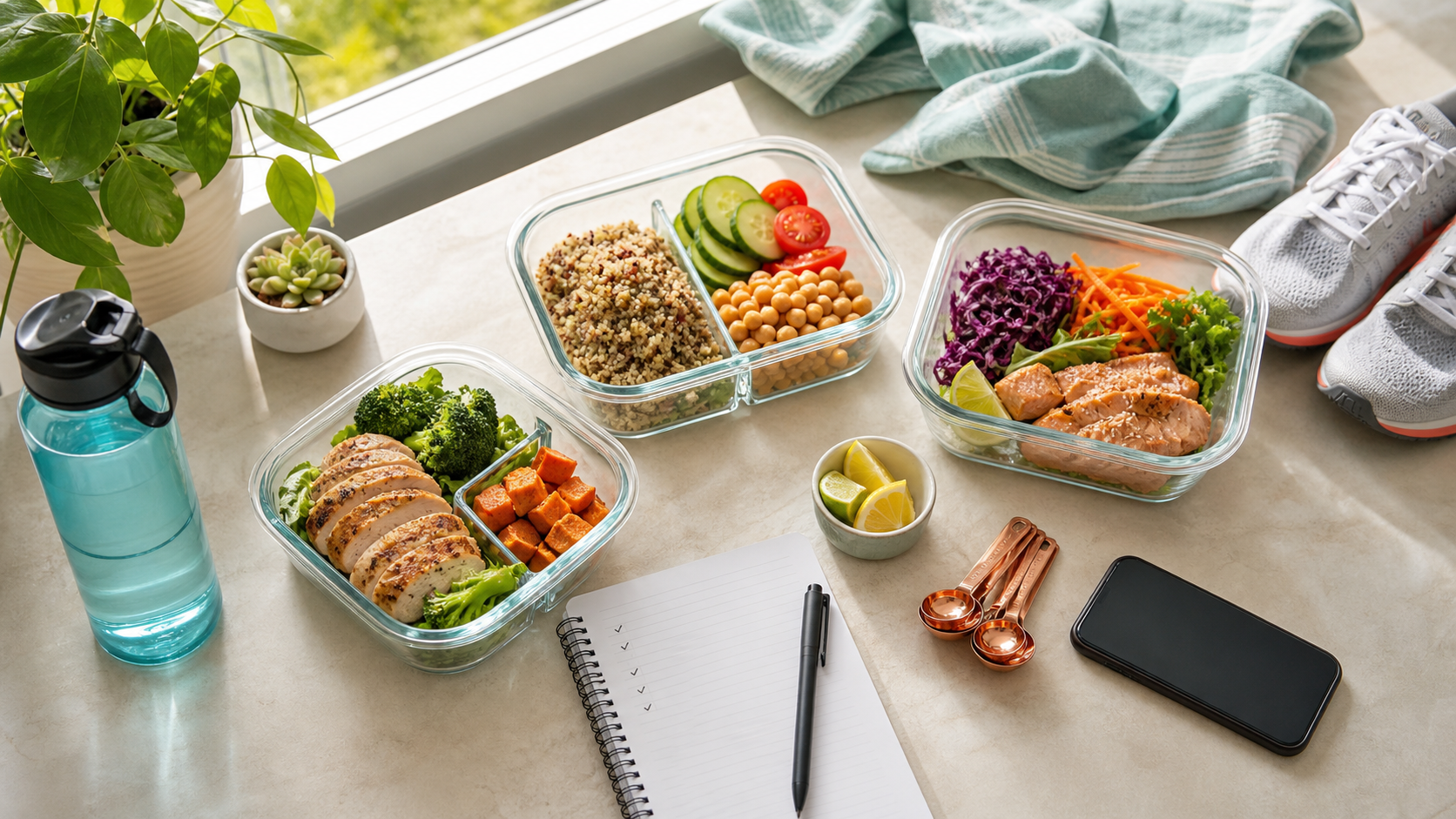
A food scale can be useful when you want to compare serving sizes, follow recipes more accurately, divide meal-prep portions evenly, or understand how calorie labels relate to real amounts of food. It may also help if measuring cups feel inconsistent for foods like rice, pasta, cereal, nuts, flour, or chopped ingredients.
The evidence-backed part is simple: weighing food can improve measurement accuracy. The anecdotal part is how people feel using it. Some find it clarifying. Some find it tedious. Some find it emotionally loaded. The tool is not inherently good or bad; fit matters.
What a Food Scale Cannot Promise
Be skeptical of any listing, ad, or influencer claim that frames a food scale as a fat-loss device. A scale does not create a calorie deficit, improve nutrition quality, change appetite, support mental health, or make a plan sustainable. It also cannot account for medical conditions, medications, stress, sleep, hormones, activity level, or eating patterns.
Strong claims should raise a flag, especially phrases like “guaranteed results,” “rapid transformation,” “no diet needed,” or “the secret tool for fat loss.” Those are marketing claims, not proof.
Selection Criteria That Actually Matter
If a food scale still seems useful, focus on basic function instead of flashy claims. Look for a clear display, a tare button, gram and ounce modes, a stable weighing platform, easy cleaning, reasonable battery access, and a maximum capacity that fits how you cook. A compact scale is fine for snacks and ingredients; a wider platform may be easier for bowls, plates, and meal prep containers.
Accuracy claims should be treated carefully. Many consumer kitchen scales are precise enough for cooking, but they are not lab instruments. Avoid listings that imply medical-grade precision, metabolic tracking, or weight-loss outcomes from ordinary kitchen measurement.
Features Worth Considering
The tare function is the most important feature for everyday use. It lets you place a bowl or plate on the scale, zero it out, then weigh only the food you add. Unit switching is also useful if you cook from recipes that use both grams and ounces.
Backlit displays can help if large bowls block the screen, but display placement matters more than brightness. Some scales time out quickly to save batteries, which can be annoying while cooking. If you prepare large batches, check the maximum weight capacity before buying.
Features to Treat With Caution
Some scales connect to apps or estimate nutrition data. That can be convenient, but it also adds more room for database errors, obsessive checking, and privacy questions. A connected scale is not automatically more useful than a simple one.
Be especially cautious with products that bundle food weighing with body-composition promises, extreme diet messaging, supplement upsells, or “coach” language that sounds personalized but is not backed by qualified care.
Health and Safety Red Flags
Do not use a food scale to support starvation dieting, skipped meals, dehydration tactics, purging, laxative misuse, or stimulant-heavy weight-loss routines. If measuring food makes you feel panicked, ashamed, rigid, or unable to eat flexibly, the scale may be doing more harm than good.
A qualified healthcare professional is the right next step if you have a medical condition, are recovering from an eating disorder, take medications that affect appetite or weight, are unsure what level of food tracking is appropriate, or feel distressed around eating and body weight.
A Practical Way to Use One
If you buy a food scale, consider using it as a temporary learning tool rather than a permanent rulebook. For example, you might weigh common ingredients for a week to understand portions, then step back and use visual estimates when that feels appropriate. The goal is practical awareness, not perfection.
You can also use it for neutral kitchen tasks: splitting leftovers, baking accurately, portioning freezer meals, or comparing package serving sizes. Those uses avoid turning every meal into a judgment.
Bottom Line
A food scale can be a useful kitchen tool for adults who want clearer portion information, but it is not a weight-loss product in itself. Choose one based on simple usability, avoid listings that promise body changes, and pay attention to how tracking affects your relationship with food. If the tool increases stress or rigidity, that is meaningful information, not a failure.