A water bottle can be a genuinely useful habit tool. It can make water easier to carry, keep drinks visible during the day, and reduce the friction of stopping for sugary drinks or forgetting to hydrate. That is a practical claim.
The problem starts when a normal bottle is marketed like a weight-loss device. Time markers, motivational phrases, gallon sizes, fruit infusers, and straw lids can support a routine, but they do not guarantee fat loss, detox the body, or replace individualized nutrition or medical guidance.
If you are comparing hydration gear with other practical products, start with the routine-support tools guide so the bottle stays in context as a convenience tool, not a body-result promise.
What a Water Bottle Can Realistically Do
A good bottle can make hydration easier to remember. It can also help someone notice patterns: whether they drink very little during work, forget water during walks, or prefer a straw lid over an open-mouth bottle.
That is useful, but it is still indirect. Drinking enough fluid may support general wellbeing and exercise comfort, but a bottle does not cause weight loss by itself. Weight changes are affected by many factors, including eating patterns, medications, health conditions, sleep, stress, activity, and overall routine.
Time Markers: Helpful Cue or Pressure?
Time-marked bottles can help some people pace their fluid intake across the day. They can be especially useful if you often realize late in the afternoon that you barely drank anything.
But time markers can also become rigid. Not everyone needs the same amount of water, and daily needs can change with activity, weather, body size, medical conditions, pregnancy, medications, and food intake. A bottle should remind you, not boss you around.
Features That Actually Matter
When comparing bottles, focus on daily usability before weight-loss language.
- Capacity: Choose a size you will actually carry and clean.
- Leak resistance: Important for work bags, gym bags, and travel.
- Ease of cleaning: Wide-mouth bottles and simple lids are usually easier to scrub.
- Material: Stainless steel, plastic, and glass each have tradeoffs for weight, durability, insulation, and taste.
- Lid style: Straw lids, chug lids, and screw caps fit different habits.
- Replacement parts: Check whether lids, straws, seals, and gaskets are available.
A bottle that is annoying to clean or too bulky to carry will not support a habit for long, no matter how persuasive the listing sounds.
Claims to Treat Skeptically
Be careful when listings turn hydration into a dramatic weight-loss promise. A water bottle is a container, not a treatment.
- Claims that drinking from the bottle melts fat or boosts metabolism in a guaranteed way
- Detox language that does not explain what is being removed or how it is measured
- Before-and-after imagery tied to the bottle itself
- Promises that a gallon bottle is automatically healthier for everyone
- Pressure to ignore thirst, fullness, medical fluid limits, or electrolyte needs
- Bundles that pair bottles with stimulant powders, detox teas, or extreme diet plans
Hydration marketing often sounds harmless, but overdoing fluids can be risky for some people, and medical fluid guidance matters more than a printed line on a bottle.
When to Ask a Professional First
Talk with a qualified healthcare professional if you have kidney disease, heart failure, are on fluid restrictions, take medications that affect fluid balance, have frequent dizziness, have symptoms of dehydration, or are considering major diet or exercise changes. Personalized guidance beats a generic bottle target.
Also be cautious if a product encourages replacing meals with water, pushing through nausea, or treating constant thirst as a discipline problem. Those are health questions, not shopping details.
A Practical Buying Checklist
Before buying a water bottle marketed for weight-loss habits, ask:
- Will I actually carry this size every day?
- Is it easy enough to clean often?
- Does the lid match where I will use it?
- Are replacement parts available?
- Does the listing focus on practical hydration cues instead of body-change promises?
- Would this bottle still be useful if it caused no weight change?
- Is there any medical reason I should avoid a high daily fluid target?
Bottom Line
A water bottle can make hydration more convenient, and convenience can support better routines. That is enough. It does not need to promise detox, fat loss, appetite control, or a transformed body.
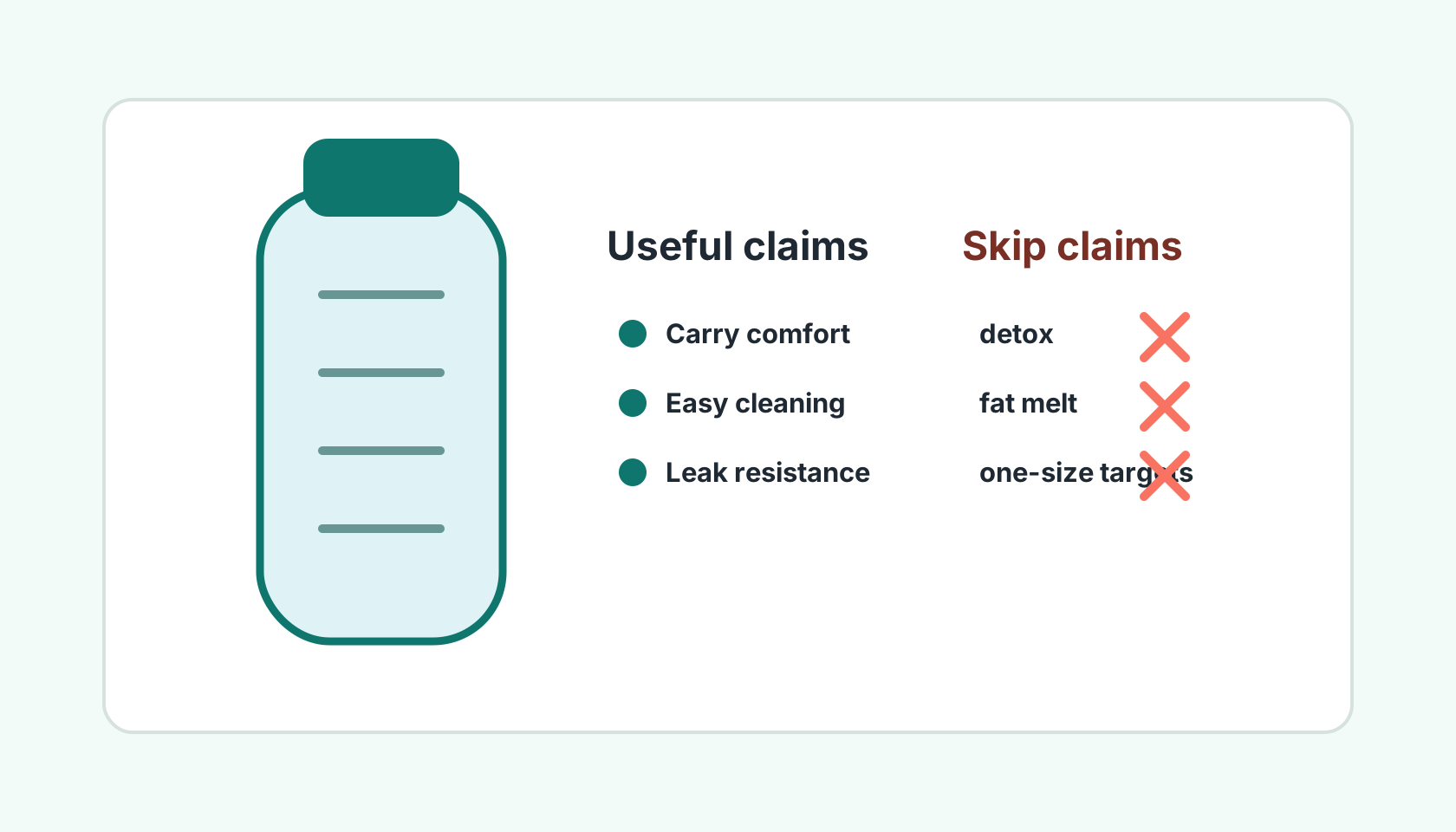
Choose a bottle for carry comfort, cleanability, leak resistance, and realistic reminders. Skip listings that turn hydration into a miracle claim or pressure you into one-size-fits-all fluid goals.