GoodWeighFinds is for general information only and is not medical advice. Readers should talk with a qualified healthcare professional before starting weight-loss products, supplements, diets, or exercise changes.
Buying guide
Best Measuring Cups and Spoons for Portion Awareness Without Diet Hype
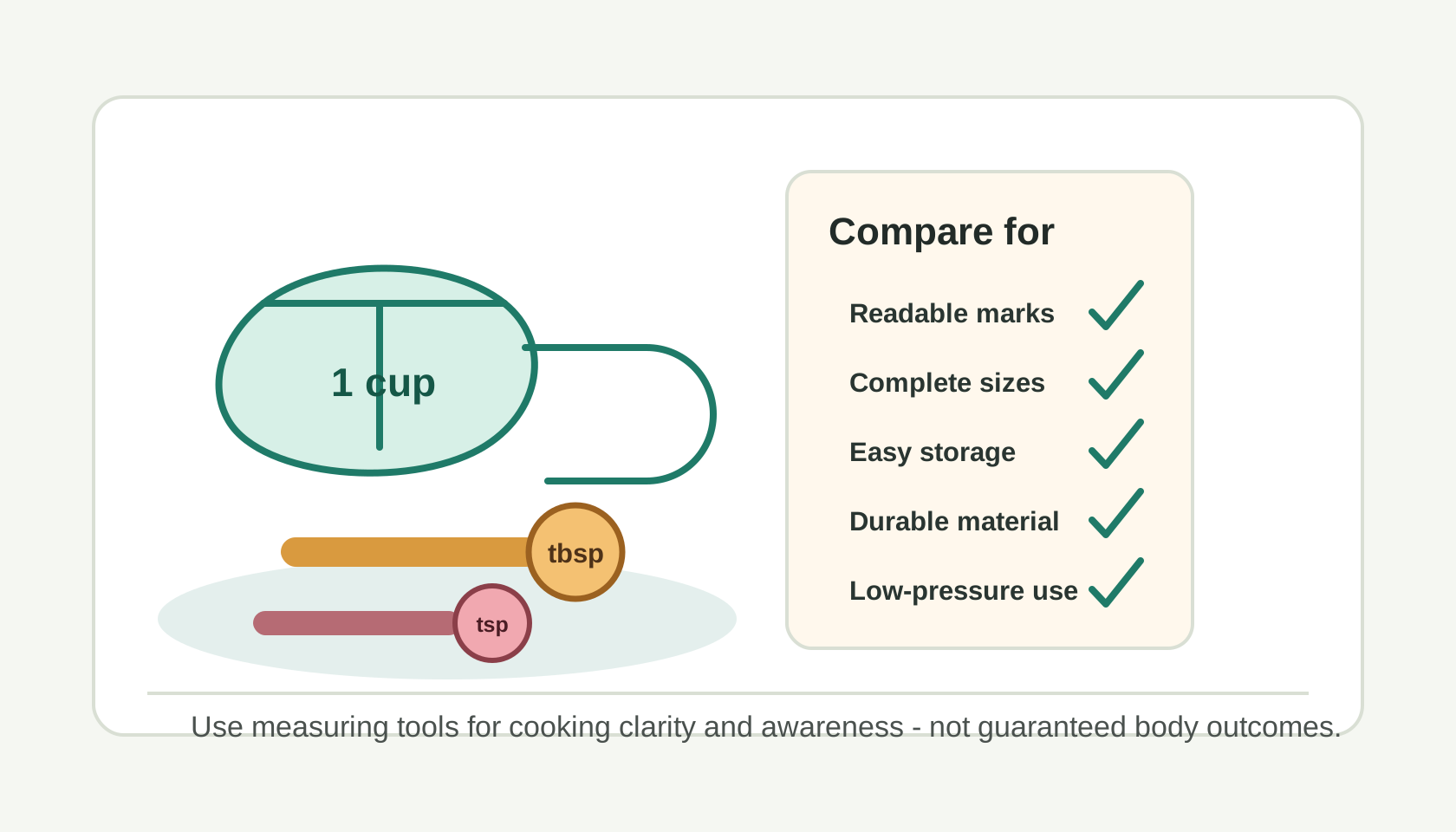
Measuring cups and spoons can make recipes more consistent and help some people notice serving sizes without using a food scale. They cannot make a meal plan right for your body, guarantee weight loss, or turn measuring into medical guidance. The useful buying question is much more practical: which set is readable, complete, durable, and easy enough to keep using?
Who this guide is for
This guide is for adults who want simple kitchen tools for recipe consistency, meal prep, and occasional portion awareness without turning every meal into a tracking project. It is especially useful if a food scale feels too precise, too stressful, or unnecessary for the way you cook.
If you are comparing broader routine helpers, start with the routine-support tools guide. If you are deciding between volume measuring and a scale, the kitchen scale checklist explains where scales help and where they can add pressure.
Best fit categories, not product rankings
GoodWeighFinds has not tested specific measuring sets hands-on for this page, and this is not a ranked review list. Use these best-fit categories to compare listings without relying on fake precision, unverified reviews, or body-result promises.
- Best for everyday cooking: A complete stainless steel or sturdy plastic set with clear size markings and common cup and spoon sizes.
- Best for small kitchens: Nesting cups and spoons with a ring, magnet, or compact handle shape that will not sprawl across a drawer.
- Best for low-friction cleanup: Smooth tools labeled dishwasher-safe by the manufacturer, with fewer seams and no delicate printed markings that rub away quickly.
- Best for visibility: Large engraved or raised markings that remain readable after repeated washing.
- Best for flexible portion awareness: Sets that support cooking and serving consistency without diet slogans, color-coded restriction messaging, or rigid meal rules.
Selection criteria that actually matter
Measuring sets look interchangeable until the markings fade, the handles bend, or the half-teaspoon is missing when a recipe needs it. Compare the parts that affect daily use before buying the prettiest set.
- Readable markings: Engraved, stamped, or raised measurements usually last better than tiny printed labels.
- Complete size range: Check for 1 cup, 1/2 cup, 1/3 cup, 1/4 cup, tablespoon, teaspoon, 1/2 teaspoon, and 1/4 teaspoon at minimum.
- Material tradeoffs: Stainless steel is durable and less likely to stain; plastic can be lighter and cheaper; silicone grips can help but may wear or trap residue.
- Shape and leveling: Narrow cups may fit containers better, while wide cups can be easier to level for dry ingredients.
- Storage design: Rings keep sets together but can be annoying during cooking. Magnets and nesting shapes can help if they are not flimsy.
- Cleaning requirements: Confirm dishwasher labeling, crevice design, and whether sticky ingredients are easy to rinse out.
Comparison framework
A measuring set is worth buying only if it reduces friction in the kitchen. Use this scorecard before checkout.
- Can you read every size quickly without squinting?
- Does the set include the measurements your usual recipes call for?
- Will the cups fit inside the containers, jars, or bags you actually use?
- Can the tools be washed easily enough that you will not avoid using them?
- Does the listing focus on cooking utility instead of fat loss, detox, appetite control, or body transformation?
- Would the set still be useful if it caused no change in weight at all?
Measuring cups versus food scales
Measuring cups and spoons are simple and familiar, but they are not as precise as weighing ingredients. Flour can compact, chopped foods vary in shape, and one person's "level" cup may not match another person's. That does not make measuring cups useless. It just means they are best for everyday consistency, not exact nutrition math.
A food scale may be more useful for baking, recipe development, or people who need a specific measurement plan from a qualified professional. Measuring cups may be a better fit when the goal is lower-pressure cooking awareness and less screen or app involvement.
Weight-loss claim red flags
Be cautious when ordinary measuring tools are packaged with claims about shrinking portions, controlling appetite, melting fat, detoxing, or forcing discipline. A cup or spoon can measure volume. It cannot decide the right diet, prove a calorie target is safe, or guarantee body changes.
Also slow down if a listing bundles measuring tools with supplements, stimulant powders, appetite-suppression products, detox teas, patches, or GLP-1 alternative language. Those categories require warning-first review rather than a casual kitchen-tool recommendation.
Who should skip this purchase
Skip a new measuring set if the tools you own are readable and complete, if measuring makes eating feel rigid or punitive, or if the product page leans on shame-based language. A routine-support tool should make cooking easier, not turn meals into a test.
If measuring food has become stressful, compulsive, or tied to unsafe restriction, a qualified healthcare professional, registered dietitian, or mental health professional with eating-concern experience is a better next step than another product. If you need personal nutrition targets, get those from a qualified professional rather than an Amazon listing.
Bottom line
The best measuring cups and spoons for portion awareness are practical first: readable, complete, durable, easy to clean, and easy to store. Buy them for cooking clarity and low-pressure awareness. Do not buy them because a listing promises weight-loss results.