Worth-it decision guide
Is a Basic Pedometer Worth It Instead of a Fitness Watch?
A basic pedometer is worth it when you want one visible step estimate without an account, frequent charging, notifications, or a large stream of personal data. A fitness watch may earn its higher cost when you will genuinely use its reminders and history. If neither tool makes walking easier or calmer, skip both.
As an Amazon Associate, GoodWeighFinds earns from qualifying purchases.
Quick verdict
- Buy a basic pedometer when a glanceable step estimate is the only feature you want and the device works without an app, account, subscription, or charging routine.
- Delay when you are unsure that seeing steps will change anything useful. Try carrying your phone's existing counter, using a short walking log, or setting a calendar reminder first.
- Choose a fitness watch when wrist reminders, automatic history, and syncing solve a real problem—and you accept the charging, permissions, setup, and higher total cost.
- Choose another alternative when a timer, calendar prompt, familiar route, or walking plan supports the routine without counting steps.
- Skip tracking when numbers, streaks, or missed goals create pressure, shame, compulsive checking, or an urge to ignore rest and pain.
- Escalate when walking brings concerning symptoms or you need individualized activity guidance; a consumer counter cannot evaluate health or prescribe a safe target.
When the simple device is enough
A pedometer earns its place when its narrow job is an advantage. It can show a rough step total without moving the routine into an app dashboard. That can mean less setup, fewer notifications, no subscription, and less personal data leaving the device. A replaceable battery can also remove the need for another charging cable.
The number remains an estimate. Placement, gait, speed, assisted movement, bouncing, and other motion can change what the counter records. It does not measure fitness, prove calorie burn, or establish that walking caused weight loss. For a broader approach to using numbers without turning them into grades, see the non-shaming habit-tracking pillar.
When a fitness watch earns the extra cost
A fitness watch may be the better buy if reminders on the wrist help you notice long periods of sitting, you want automatic history, and you will use those features consistently. It can also be more convenient than a clip for clothing without pockets or waistbands.
More features do not automatically create more value. A watch may require a compatible phone, account, Bluetooth, software updates, regular charging, and permissions for activity or location data. Some useful history or coaching features may sit behind a subscription. Compare only the features you expect to use, not the longest specification list.
Cost, setup, and maintenance tradeoffs
A basic pedometer usually asks for less money and attention, but check the full setup. Some devices require time, stride length, sensitivity, or unit settings. Coin-cell battery doors may be difficult to open, clips can break, and a model that resets accidentally may create daily frustration. Replacement batteries and a secure lanyard or clip belong in the total cost.
A fitness watch adds charging, band cleaning or replacement, app maintenance, account recovery, privacy reviews, and possible subscription fees. Phone compatibility can change over the product's life. Before paying more, decide whether reminders and saved history justify those recurring tasks.
Seven checks before buying a basic pedometer
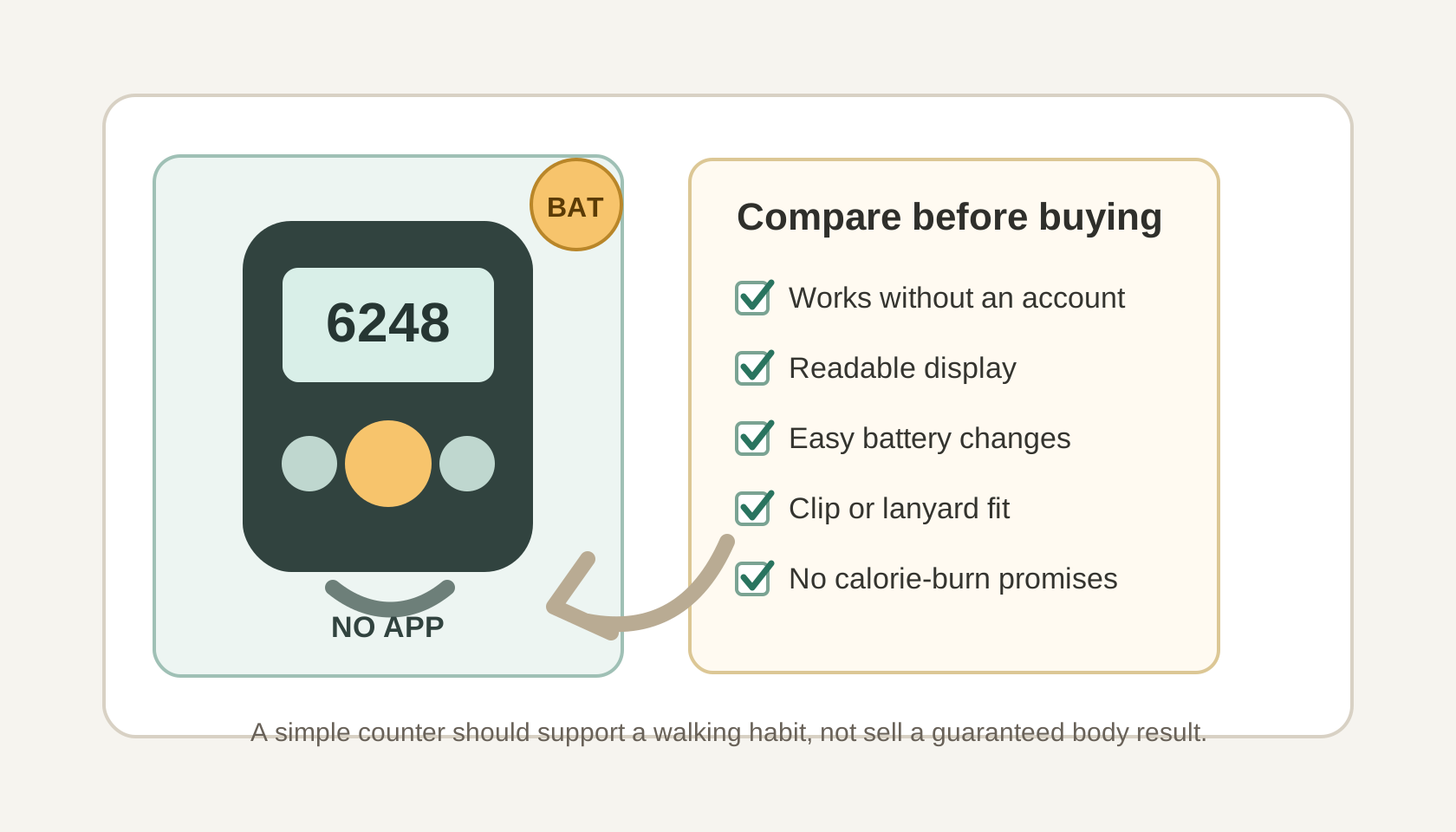
- No-app operation: Confirm that setup, daily use, and reset do not require a phone, QR code, login, Bluetooth, or cloud account.
- Readable display: Check digit size, contrast, glare, viewing angle, and whether the screen stays visible without repeated button presses.
- Carry method: Match the clip, pocket, or lanyard design to your clothing, comfort, dexterity, work setting, and mobility needs.
- Battery: Verify the exact battery type, expected replacement process, access to the battery door, and whether a low-battery indicator exists.
- Reset and memory: Check whether the total resets automatically or manually, how easily an accidental reset can happen, and whether stored history is actually useful to you.
- Claims: Treat step-accuracy and battery-life wording as manufacturer claims. Reject listings that turn estimated steps or calories into guaranteed body results.
- Returns: Confirm current return terms because readability, clip security, and counting behavior are difficult to judge from a listing.
Red flags that make the answer “skip”
Skip listings that promise guaranteed weight loss, precise calorie burn, fat burning, appetite control, metabolism changes, or medical-grade monitoring. A step counter can estimate movement; those broader promises are not established by the number on its screen. “Highly accurate” without a clear explanation of test conditions is a claim to question, not a reason to buy.
Also pause when “no app” appears in the title but setup instructions mention Bluetooth, an account, a companion service, or location permissions. Countdown challenges, punishment language, unchangeable goals, and pressure to maintain streaks are poor fits for a calm routine. The Amazon product-page reading guide explains how to separate listing language from verified product details.
Who should skip a pedometer or watch
Skip either tool if step totals make movement feel like a daily pass-fail test, prompt compensatory exercise, or encourage you to keep going through pain, illness, exhaustion, or needed rest. A walking routine does not require a device, and choosing not to count is a complete option.
Stop walking and seek qualified medical guidance for chest pain, fainting, severe or unusual shortness of breath, new balance problems, or another symptom that concerns you. Discuss persistent or worsening foot, joint, wound, or mobility concerns with an appropriate healthcare professional before using a number from a consumer device as a target.
Try the decision before buying
For one week, test the smallest version of the routine. If your phone already estimates steps, leave the result hidden until the end of the day and notice whether checking it supports a useful decision. If you do not want phone tracking, mark whether you took the planned walk on paper or use a simple timer. The point is to learn whether a prompt helps—not to hit a prescribed total.
If you consistently want only a visible count, a basic pedometer may remove phone friction. If you keep wishing for wrist reminders and saved trends, compare the tradeoffs in the pedometer-versus-fitness-watch guide. If neither test helps, keep the money and choose a non-counting cue.
Bottom line
A basic pedometer is worth buying when simplicity, privacy, a readable display, and low maintenance matter more than charts and connected features. Delay until you know that a step estimate is useful, pay more for a watch only when its extras solve a real routine problem, and skip both when tracking adds pressure or distracts from how walking actually feels.