Routine-support pillar
Routine-Support Tools for Weight-Loss Habits, Without the Fat-Loss Promises
Some products can make ordinary routines easier: planning meals, drinking water, walking indoors, cooking at home, packing lunches, or noticing habits. That does not make them weight-loss products in the medical sense, and it does not mean a purchase can promise body changes.
When wet-weather walking gear is crowding the entryway, first compare a passive shoe rack with a boot tray. The guide separates footwear spacing from floor-level drip and grit containment, then routes to the relevant model guide.
For small-kitchen batch cooking, compare stackable cooling racks by usable surface, tier clearance, complete footprint, stability, pan fit, care, and folded storage.
For freezer visibility, compare container labels with a central inventory board by identification, overview, update effort, shared use, and failure modes. When slim bags or small packages still fall into a pile, compare a freezer bin divider with a stackable bin by shelf geometry, individual access, group lifting, vertical clearance, cleaning, and lost space; if the divider format wins, use the freezer bin divider worth-it test, then compare clip-on, freestanding, tension-style, and divided-insert formats by measured fit and retrieval clearance.
For work lunches, compare a divided bento box with a simpler sandwich box by food separation, usable dimensions, complete bag fit, cleanup parts, and packing friction. When the lunch is meant to be hot, compare a lunch bag with an insulated food jar by meal type, workplace access, total carry, care, and verified maker directions. If one food jar is the right format, choose between glass and stainless steel by reheating workflow, insulation, filled weight, damage risk, and lid upkeep. If seeing what is already frozen is the recurring meal-prep bottleneck, first decide whether a central freezer inventory board fits your update habits, then compare board formats by appliance fit, writing space, mounting, cleaning, and low-pressure layout. If you want to freeze batch-cooked food in reusable blocks before transferring it to labeled storage, compare silicone freezer trays by cavity size, full tray dimensions, lids, release, care, and transfer workflow. For walking or transit grocery trips, first decide whether an insulated grocery bag earns its extra carry and storage space, then compare an insulated grocery tote with a cooler backpack by the full route, typical load, transit fit, cleaning, and storage before moving to the detailed tote guide.
If cabinet space is the prep bottleneck, first compare a collapsible colander with a produce wash basket by measured sink fit, support, drainage, cleaning, and storage. When the narrower job is draining one measured pot without storing a separate bowl, compare a clip-on colander with a full-size colander by cookware fit, batch, handling, sink clearance, upkeep, and storage. If the attachment format wins, decide whether it fits the repeated workflow, then use the clip-on pot colander guide for model criteria. For freestanding tools, compare collapsible colanders by working and folded dimensions or use the produce wash basket guide to check supported span and faucet clearance.
If frequently used meal-prep tools are stored too high, reorganize light items into easier reach first. When a consumer stool remains appropriate, compare foldable step stools by the exact reach, open footprint, locking instructions, platform, feet, stated capacity, and folded storage; skip the purchase when the task still requires leaning, twisting, or carrying an awkward load.
When recipe display is the bottleneck, compare a magnetic recipe holder with a cookbook stand by surface fit, recipe format, sightline, working footprint, cleaning, and storage before choosing a model. If a magnetic display fits, compare clips, sleeves, and device ledges by measured recipe fit, loaded clearance, interaction, and care.
If the sink opening could provide temporary prep space, compare an over-the-sink board with a standard cutting board by measured support, sink access, setup, cleaning, and storage. If the sink-spanning format fits, decide whether it earns its place in the full prep sequence, then compare over-the-sink cutting boards by measured span, rim support, usable work area, grip, load guidance, cleaning, and storage. Use the standard cutting-board guide when sink compatibility is not the main decision. For repeat cutting and package-opening jobs, compare kitchen scissors by blade, handle, cleaning, care, and task limits. If dry countertop cleanup is the recurring friction, first compare a bench scraper with a countertop crumb tray by debris type, sweep path, transfer target, storage, and care. If the rigid scraper wins, compare bench scrapers by dimensions, edge, handle clearance, markings, cleaning, and storage; if the brush-and-pan format fits, compare compact countertop crumb trays by pan edge, sweep path, nesting, cleaning, and stored footprint. To free counter space while keeping a roll reachable, first decide whether an under-cabinet paper towel holder earns the installation, then compare holder formats by full-roll fit, mounting method, clearance, use, and removal. If recipe use is the friction point, first check whether a magnetic recipe holder fits the exact surface and sightline, or decide whether a recipe binder or cookbook stand solves the actual problem. If opening pantry jars is the friction point, compare manual jar openers.
When cookware lids are awkward to stack or retrieve, compare pot-lid organizers for small kitchen cabinets by measured rim and handle fit, loaded clearance, removal path, mounting, and cleaning before buying dedicated storage. For large flat bakeware, use the separate sheet-pan organizer guide to check pan and cooling-rack dimensions, slot width, cabinet clearance, and the loaded removal path.
When existing cutting boards work well but lean or stack awkwardly between uses, compare cutting-board organizers for small cabinets by measured slot width, loaded cabinet clearance, removal path, mounting, and cleaning before buying dedicated storage.
If canned staples disappear at the back of a narrow cabinet, compare pantry can organizers by measured shelf fit, can diameter, loading clearance, access pattern, stability, and assembly. For container cabinets with unused vertical space, first decide whether a shelf riser would improve access by measuring the opening, testing two levels, and checking hand and door clearance.
If drying washed leafy produce is the recurring task, first decide whether a salad spinner earns its full operating, cleaning, drying, and storage footprint based on a real week of prep. If it does, compare salad spinners for small-kitchen meal prep by measured capacity, full footprint, mechanism, braking, cleaning access, and stored height. When choosing where whole produce remains noticeable, compare a countertop produce basket with a refrigerator bin by produce-specific storage needs, measured space, access, airflow constraints, and cleaning. If room-temperature produce belongs outside the refrigerator, compare a countertop basket with a wall-mounted basket by full spatial fit, installation, load claims, access, upkeep, and reversibility. When room-temperature produce consumes needed counter space, first decide whether a produce hammock fits the cabinet, permission, loaded-clearance, access, and cleaning constraints; then compare the hammock directly with a countertop basket by mounting, footprint, access, setup, and upkeep. If suspended storage wins both decisions, use the produce-hammock format guide to compare measured spans, loaded drop, attachment, access, cleaning, and seller terms.
If frequently used cooking tools are crowding the work area or snagging in a drawer, compare a countertop utensil crock with a drawer organizer by tool dimensions, available space, access, cleaning, and maintenance before buying new storage.
If rigid measuring cups crowd a shallow drawer, compare collapsible measuring cups by marked sizes, expanded stability, collapsed height, cleaning, and drying; keep the rigid set when it already fits and is easier to use. When loose measuring spoons are the narrower problem, first compare a nested magnetic set with one adjustable measuring spoon by drawer fit, recipe workflow, markings, jar access, cleaning, and maintenance. If a fixed magnetic set wins, use the magnetic measuring-spoon drawer guide to check the full nested dimensions, useful size sequence, magnet layout, and care before replacing the set.
For lining a sheet pan, compare a silicone baking mat with parchment paper by measured fit, maker-stated temperature and appliance limits, cleanup, storage, replacement, and cost pattern. Once reusable silicone fits the routine, use the silicone baking mat guide to compare exact pan fit, usable surface, edges, care, drying, and storage. If one compatible sheet pan instead needs to hold several separately removable foods, compare sheet-pan dividers for flexible batch cooking by measured pan fit, usable area, temperature labels, handling, cleaning, and storage. Use separate pans or cook in sequence when the foods need incompatible cooking conditions.
If mixing and staging ingredients takes more cabinet space than the cooking itself, compare stackable mixing bowls for small-kitchen meal prep by useful size spread, total nested footprint, stability, full weight, and cleaning effort. When the transfer itself is the problem, compare a freezer bag holder with a wide-mouth funnel by destination, measured fit, setup, cleaning, and storage. If a rigid jar or container is the clear destination, compare wide-mouth funnel formats by opening, stem geometry, intended use, care, and stored shape. If flexible bags are the clear destination, first decide whether a freezer bag holder stand would solve a frequent enough filling problem; if it would, compare freezer bag holders for hands-free filling by bag fit, clips, height, base stability, cleaning, and folded storage.
If a removable food-container lid seal is worn or missing, use the replacement gasket guide to check exact lid-model compatibility, seal profile, care directions, and return terms before guessing from shape or capacity. When loose meal-prep container lids are the specific drying bottleneck, compare a dish drying mat with an upright dish rack by the real batch, loaded footprint, separation, drainage, care, and storage. If a flexible surface is already the better fit, compare dish drying mat formats by usable area, construction, backing, edge finish, care, and stored size. If limited counter space makes a temporary sink-spanning surface the better format, compare roll-up over-sink drying racks by measured span, supported overlap, rod spacing, loaded clearance, care, and rolled storage. When washed bottles and narrow parts compete with everyday dishes instead, compare a dedicated bottle drying rack with a general dish rack by the actual weekly load, support, drainage, counter fit, cleaning, and storage.
If flat storage and flexible packing matter more than crush protection, compare reusable sandwich wraps for packed lunches by open size, folding method, closure, food-contact details, cleaning, and drying. A rigid sandwich box is the better route when shape protection is the main problem.
If a packed sandwich is getting crushed or a general container wastes bag space, compare reusable sandwich boxes for commuter lunches by measured interior fit, rigid protection, closure, cleaning, drying, and lunch-bag footprint. If loose lids are the recurring meal-prep bottleneck, compare container lid organizers by measured cabinet or drawer fit, usable slot width, adjustability, access, and cleaning before replacing an otherwise useful container set. If the choice is between covering a serving bowl and transferring leftovers, compare a reusable bowl cover with a fitted container lid by rim fit, stacking, portability, washing, drying, and storage workflow. Once cover-in-place is the right format, compare a silicone stretch lid with an elastic reusable bowl cover by measured rim fit, visibility, handling, care, drying, and storage, then use the reusable bowl cover guide for format-specific model criteria. For dressings and dips packed separately, compare small condiment containers by capacity, closure, cleaning, and realistic leak limits. If reheating splatter is the friction point, compare microwave food covers by appliance fit, interior clearance, venting, storage, and care directions.
If an otherwise useful lunch bag needs internal organization, compare a removable divider with separate reusable pouches by the loaded interior, container support, flexible grouping, access, and care before adding an accessory. For lining cleanup, compare removable lunch bag liners by exact interior fit, closure clearance, seams, cleaning, and drying. If only a detachable carry part is missing or uncomfortable, compare replacement shoulder straps and handle wraps by anchor condition, clip dimensions, adjusted length, width, and load guidance. For a bag that is hard to identify in a shared workplace fridge, compare removable lunch-bag name tags by attachment, blank writing area, visibility, care, and minimal-information privacy. Skip an accessory when an existing label, simple visual cue, or structural repair is the better answer.
Before making footwear a prerequisite for a new routine, decide whether walking shoes are worth buying before you start by checking the fit, visible condition, fastening, and surface match of shoes you already own. For a frequently used pair, use the separate walking-shoe replacement check to distinguish cosmetic aging from problems with grip, structure, fastening, or fit. After recurring wet walks, decide whether a passive shoe drying rack earns its entryway space before comparing individual rack formats. For recurring mud, first compare a handheld shoe brush with a fixed boot scraper, then use the shoe-brush guide or boot-scraper buy-or-skip check for the chosen format. If walking shoes need between-wear odor management, compare non-medicated shoe deodorizer inserts by disclosed contents, fit, fragrance, reuse directions, and shoe-material limits. Treat antifungal, germ-killing, detox, and treatment claims as a different, higher-caution decision.
Once a fixed boot scraper is the chosen format, compare boot scrapers for a small entryway by complete use area, shoe contact, placement, base or installation, debris cleanup, and skip criteria.
If a walking commute already involves a backpack and the missing job is bag-specific rain coverage plus a larger reflective surface, compare reflective backpack covers by loaded pack fit, retention, reflective placement, weather claims, and packed size.
For hands-free bottle carry without a full pack, compare water bottle slings by measured bottle fit, strap range, retention, pocket dimensions, filled load, and cleaning. Use a lightweight hand-carry bottle when crossbody carry adds more friction than it removes, or a compact walking backpack when a light layer and more essentials need space. When a stroller or utility cart is already part of the walk, compare clip-on cup holders by mounting-bar range, vessel fit, retention, controls, folding clearance, and the equipment maker's accessory rules.
Start with the job, not the promise
A safer way to shop is to name the practical job before comparing products. A food scale can measure ingredients. A water bottle can make hydration easier to remember. A walking pad can reduce friction around light movement. A journal can organize habits. None of those tools can guarantee fat loss, diagnose what a person needs, or replace qualified care.
This distinction helps keep product research useful. Feature claims are usually visible and limited. Outcome claims, especially claims about rapid weight loss, appetite control, metabolism, detoxing, inches lost, or body-composition changes, need much more skepticism.
Lower-risk categories to compare first
For leafy-greens prep, compare a salad spinner with a colander by water removal, usual batch, full footprint, cleaning, and storage before choosing a dedicated drying tool.
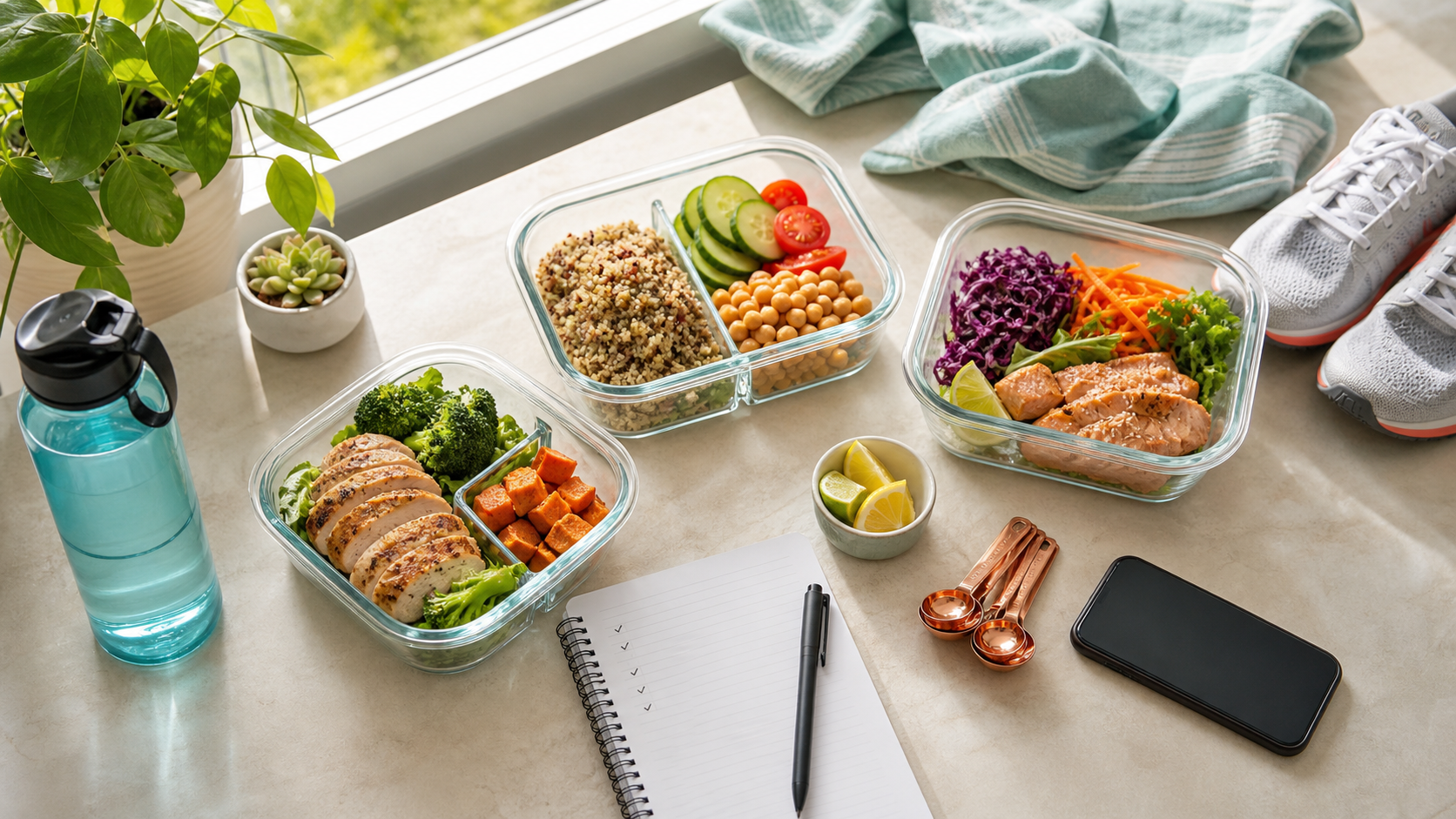
GoodWeighFinds generally starts with routine helpers before product categories that make body-result claims. Practical categories may include meal-prep containers, food scales, kitchen scales, water bottles, walking gear, journals, habit trackers, measuring tools, lunch bags, and simple cooking helpers.
These tools are still not right for everyone. A tracking product can become stressful. A measuring tool can feed rigidity. A walking tool may not fit a person's mobility, space, budget, or medical context. The safer framing is "could this reduce friction for a routine?" rather than "will this make weight loss happen?"
Common routine jobs and better-fit guides
When sealed pantry jars repeatedly interrupt meal prep, first decide whether a dedicated manual jar opener earns its space and setup. If it does, compare manual jar-opener formats by measured lid range, mechanism, mounting, cleaning, and storage.
If leftover tracking is the problem, first compare a writable food-storage label with a reusable date dial by information needs, container fit, readability, resetting, cleaning, and storage. If adhesive labels create repeat waste or cleanup but the household consistently needs only a date, compare reusable food-storage date dials, bands, clips, and tags by measured container fit, readable date range, attachment, care, and storage. Use the broader food-storage-label guide when contents notes or flexible written details matter more than a reusable date-only mechanism.
When matched food-container lids still need dedicated storage, first run the lid-organizer buy-or-skip test, then compare drawer and cabinet-door placement by loaded fit, access, mounting, hinge clearance, and upkeep. If door storage wins, compare cabinet-door rack, basket, rail, and hook formats by loaded clearance, documented mounting, lid retention, retrieval, and removal terms.
Start with the routine bottleneck, then choose a tool category only if it solves that bottleneck without adding shame, medical guesswork, or unnecessary tracking pressure.
If clean, empty reusable bottles topple or hide in a narrow cabinet, first decide whether a dedicated vertical organizer earns its footprint after a one-week shelf or bin test. If the cabinet also needs flexible storage for other items, compare a vertical bottle organizer with a shelf riser before choosing the format. If dedicated slots win, compare vertical water bottle organizers by bottle diameter and height, cabinet opening, lift-out clearance, access, and care. If the bottles are still wet, use a drying-rack guide instead of treating storage as a drying solution.
If a regular walk happens near dawn or dusk, first decide whether a clip-on light fits the actual route, clothing, placement, and power routine. If the unresolved choice is passive reflectivity or an active marker, compare a reflective armband with a clip-on light by mechanism, exposure, power upkeep, fit, and realistic limits. A different time, route, or primary light may address the problem more directly.
If longer freezer storage is the bottleneck, first decide whether dedicated freezer containers are worth buying or whether suitable containers or bags already cover the job. If a constrained freezer makes the format itself the problem, compare reusable freezer bags with rigid containers by loaded dimensions, stacking, filling, retrieval, cleanup, and empty-storage space. When opened pantry or freezer bags need both closure and a visible note, compare magnetic label-ready bag clips by bag width, label format, orientation, magnet placement, cleaning, and realistic seal limits. For a small reusable work-lunch component, compare washable lunch napkins by folded fit, fiber disclosure, care routine, and the number actually needed between laundry days.
If the recurring problem is arriving at an unexpected grocery stop without a bag, first decide whether a packable tote will reliably stay in the daily kit. If the one-week carry test supports buying, compare packable totes by folded size, open shape, handles, and wash care. For planned larger loads, use the public-transit bag or grocery-cart guides below.
If ingredient staging and finished-food storage are getting confused, compare prep bowls with lids and meal prep containers by workflow stage, geometry, lid fit, stacking, cleaning, and storage before buying another set.
- Loose produce is awkward to organize: Compare a reusable produce bag with using the store hand basket alone to decide whether separate grouping solves a real checkout and carry problem. Then decide whether reusable produce bags fit your shopping and washing routine. If they do, compare reusable produce bags by measured size, mesh, closure, tare labeling, wash care, and folded storage.
- Meal prep feels chaotic: First decide whether dedicated meal-prep containers solve a repeated problem or whether current storage is enough, then compare near-term meal prep containers and longer-term freezer containers. If loose lids are the recurring bottleneck, decide whether a measured lid organizer is worth buying after matching, reducing, and nesting the collection. For workday carry, compare a compact lunch bag with a meal prep backpack before choosing by size alone. Then compare drawer dividers for keeping prep tools visible in a small kitchen, containers—including salad containers that separate dressing and divided glass containers for work lunches—replacement lids for containers you already own, lunch bags, slim ice packs for compact bags, reusable snack bags, reusable packed-lunch utensils—including whether a rigid case earns its bag space—freezer storage, labels, fridge organizers, grocery list pads, cutting boards for small-kitchen batch cooking, stackable mixing bowls, mini choppers for small batches, and kitchen timers—including large-display timers for easier reading—before buying anything diet-branded.
- Pantry staples are hard to see: First compare a stackable pantry bin with a lazy Susan for deep shelves by access motion, clearance, usable capacity, lifting, and cleanup. Then use the pantry-bin guide or lazy Susan guide for model criteria. If the unused gap is below a sound shelf, compare under-shelf baskets for lightweight meal-prep supplies by shelf fit, clearance, and load guidance. If labels are the missing cue, compare a fixed shelf-edge label with a movable container label before choosing where identification belongs, then compare a label maker with handwritten removable labels before committing to a printing device. If several people disagree about stable pantry zones, decide whether a simple pantry shelf label system is worth maintaining. If printed labels fit, use the label-maker guide for refill cost, controls, privacy, and tape fit. Measure shelf width, depth, height, and door clearance first so an organizer does not create a new access problem.
- Portions feel confusing: Compare measuring cups, food scales, portion plates, or portion containers as practical reference tools, not as proof that a specific amount is right for every body.
- A phone needs a secure place: Start by comparing a walking belt with a crossbody phone holder by load, fit, access, and movement. If waist carry is already ruled out, compare armbands, crossbody pouches, clips, and phone tethers by measured fit, access, retention, and movement.
- Wet-weather commute gear is undecided: Compare a compact umbrella with a packable rain jacket by hand use, layering, route clearance, packed size, drying, care, and skip criteria before comparing models.
- Movement is hard to start: For muddy-route cleanup, first decide whether a fixed boot scraper earns its entryway space or a handheld brush and tray fit better. For wet-shoe containment after a walk, compare compact boot trays for small entryways by measured fit, raised edges, cleaning, and floor compatibility. For carrying water, keys, and a light layer, compare compact walking backpacks by fit, empty weight, bottle access, and care. For grocery errands, compare reusable bags for public-transit shopping or compact grocery carts for carrying planned shopping loads. For routine walks, compare shoes, ordinary replacement insoles by shoe-space fit and comfort criteria, socks, lightweight gloves for cool weather, cooling towels for warm-weather comfort, hats for sun or light rain, compact umbrellas for walking commutes, packable rain jackets for wet walks, removable rain shoe covers for paved commutes, step counters, no-app counters, reflective gear for evening walks, walking pads, or under-desk pedal exercisers by comfort, accessibility, space, privacy, stability, and return policy. If indoor equipment is only one option, use the walking pad versus outdoor walking comparison to decide which setting fits the routine before buying.
- Hydration gets forgotten: First decide whether a bottle with time markers is worth buying. Compare bottle size, lid style, wide-mouth bottles that are easier to inspect, cleaning tools for straws and lids, bottle-drying racks for bottles and small parts, and model-matched replacement straws or lids before replacing an intact bottle; also check leak resistance and carry comfort, and skip detox, appetite, or fat-loss framing.
- Tracking becomes stressful: Use the non-shaming habit tracking guide before choosing journals, apps, scales, counters, or reusable boards.
If the container itself is the unresolved choice, compare portion-control containers with regular meal-prep containers by food flexibility, usable capacity, lids, storage, care labels, and whether fixed sections feel helpful or pressuring.
For hands-free everyday walking carry, compare a water bottle sling with a walking backpack by repeat load, bottle access, fit, weather exposure, cleaning, and storage before choosing a format. If two-strap carry fits but structure is unresolved, compare a structured walking backpack with a packable daypack by ordinary load, access, folded size, and upkeep. If the need is only an occasional light errand, first decide whether a packable daypack will actually stay available and earn its packed space.
For smaller recurring errands, decide whether a low rolling grocery basket earns its space by testing the usual load, counting every lift and obstacle, and measuring the complete stored footprint. If it does, compare rolling basket formats by usable interior, empty weight, handle range, wheels, upkeep, and storage. If the carrier format is unresolved, compare a low rolling grocery basket with a taller compact cart by load shape, loading height, handle fit, wheel layout, route obstacles, unloading, and storage. For regular larger car-free grocery trips, decide whether a compact grocery cart earns its space based on the full route, required lifts, typical load, transit fit, and folded storage before comparing cart formats.
If the unresolved choice is wheels versus carrying, compare a compact grocery cart with reusable bags by the usual load, complete route, required lifts, transit fit, storage, and care before opening model listings.
If frequently used prep utensils are crowding a drawer or spreading across the counter, compare countertop caddy formats by loaded footprint, compartments, tool height, stability, carrying, care, and no-buy alternatives. Keep wet cleaning tools and sharp knives out of a general dry utensil caddy.
If prep scraps are crowding a small counter, first decide whether a dedicated countertop compost bin earns its space or whether an existing bowl, freezer container, or direct trip works better. If the test identifies a real need, compare countertop compost bins by measured footprint, lid access, carrying, liner fit, cleaning, and local collection rules.
If bottle brushes and detail tools crowd the sink, first decide whether a dedicated sink caddy earns its counter space; count the tools, trace drainage, and test a washable holder you already own. Once a dedicated holder passes that test, compare sink-caddy formats for brushes and scrapers by loaded tool fit, drainage route, mounting, cleaning, and skip criteria. If counter space is the unresolved constraint, compare a countertop caddy with a suction-mounted holder. If washed reusable bottles leave lids, straws, and seals scattered around the sink, decide whether a dedicated bottle drying rack earns its counter space; count the parts and test the dish rack or a clean towel before comparing rack formats. If washable food-storage bags are the specific bottleneck, use the reusable food-bag drying-rack test to compare the usual batch with existing supports before adding another countertop tool. Once that test shows a recurring need, compare food-bag drying rack formats by bag geometry, loaded footprint, drainage, cleaning, and storage.
For packed-lunch snacks, compare a reusable snack bag with a small rigid container by food fit, shape protection, bag space, cleaning, and drying. If the flexible format fits, decide whether a dedicated reusable snack bag earns its place, then use the detailed snack-bag guide for model criteria.
If a sound reusable cold pack repeatedly leaves surface moisture against packed items, compare reusable ice-pack sleeves by frozen-pack fit, closure, added bulk, care, drying, and inspection access. If the cold pack itself does not fit the bag, use the slim ice-pack guide first instead of adding another accessory.
For a packed lunch carried on buses or trains, compare an insulated lunch tote with a lunch backpack by the whole route, hand use, measured loaded depth, container orientation, crowd fit, cleaning, and workplace storage before choosing a carry format. If hands-free carry wins, use the insulated lunch backpack buy-or-skip test to decide whether commute frequency and the full ownership tradeoff justify a dedicated bag.
Selection criteria that matter
- Clear function: The product should solve a visible task without leaning on transformation language.
- Routine fit: It should match the reader's kitchen, schedule, storage space, cleaning tolerance, and budget.
- Low-friction design: Simple setup, clear controls, durable materials, and easy cleaning often matter more than extra features.
- Claim restraint: Prefer listings that describe what the product does instead of promising what a body will do.
- Skip criteria: The page should make it easy to decide when the product is not worth buying.
Claims that should slow the purchase down
Be careful when an ordinary tool is wrapped in medical-sounding or body-result language. Red flags include guaranteed results, rapid transformation, fat-burning, detox, appetite-control, metabolism-boosting, before-and-after proof, shame-based motivation, or customer reviews presented as evidence that the same result will happen for everyone.
Products that involve supplements, stimulants, patches, appetite suppression, GLP-1 alternative claims, hidden ingredients, extreme restriction, dehydration, laxatives, or body-composition promises need warning-first review and escalation before positive recommendation.
When no new product is the better answer
A useful buying guide should also make it easier not to buy. Skip or delay a routine-support product if a notebook, calendar, reusable container, comfortable shoes, or existing kitchen tool already solves the same problem. Also skip products that make ordinary eating, walking, hydration, or tracking feel punitive.
If the decision involves symptoms, medication effects, pregnancy, eating-disorder history, pain, dizziness, diabetes, heart concerns, unexplained weight changes, or major diet and activity changes, the better next step is a qualified healthcare professional rather than another consumer tool.
Useful support guides
Considering a countertop sealer for batch cooking? First decide whether a vacuum sealer earns its cost, supplies, cleanup, and storage space; use a short workflow test and compare ordinary freezer bags and containers before adding another appliance. If ingredient staging is the friction point, check whether prep bowls with lids fit the repeated workflow before buying another nested set.
Adding a passive reflective detail to a bag? Compare clip-on reflectors for walking backpacks and bags by attachment fit, reflective area, placement, movement, weather wording, and visibility limits.
Choosing a weighing mechanism? Compare digital and analog kitchen scales by display, increments, tare, power, bowl fit, storage, and tracking comfort.
Trying to make refrigerated ingredients easier to find? Compare fridge organizers with produce containers before choosing between broad shelf grouping and produce-specific storage parts. If the specific problem is condiment jars disappearing at the back, first compare a refrigerator turntable with a handled bin by shelf geometry, retrieval motion, usable space, and cleaning; if rotating access wins, compare refrigerator turntable formats by measured diameter, door clearance, rim height, usable space, refrigerator-use wording, and cleaning. If the problem is a recurring shelf spill instead, compare washable refrigerator shelf liners by exact shelf fit, appliance clearance, visibility, washing, drying, and removal rather than assuming a general drawer liner belongs in a refrigerator. For a shared grocery list that stays on the appliance, compare reusable fridge-board formats by surface fit, usable writing area, access, marker upkeep, and list handoff.
If the drawers already fit but their contents are easy to overlook, compare removable produce-keeper labels by surface fit, writing method, visibility, cleanup, and reuse. Treat them as identification cues only, not freshness or food-safety tools.
If freezing bread is a repeat part of the routine, compare reusable bread bags by loaded loaf fit, closure, explicit freezer-use labeling, cleaning, drying, and empty storage. Treat freshness and freezer-protection wording as claims to verify, not assumed results.
Starting a walking routine on a limited gear budget? Compare walking shoes with walking socks to identify whether the shoe platform, the fabric layer, or neither category needs attention first.
For specific routine-support decisions, start with the food scale buying guide, the kitchen scale checklist, the measuring cups and spoons guide, the portion-control container guide, the walking pad buying guide, or the water bottle claim check. If meal planning is the main problem, first compare a meal planning notebook with a grocery list pad, then use the meal planning notebook guide, grocery list pad guide, meal prep container guide, produce container guide, or first decide whether fridge organizers are worth buying for your shelf before using the detailed fridge organizer guide. Also compare the freezer container guide, insulated lunch bag guide, and food storage label guide. If movement is the routine bottleneck, compare the small walking pad guide, walking shoes guide, and walking socks guide. For broader claim review, read how GoodWeighFinds checks weight-loss product claims.
For meal-prep timing, compare a dedicated kitchen timer with the timer already on your phone by visibility, controls, multiple alarms, distraction, cleanup, and power.
When container stacks waste usable cabinet height
First run the shelf-riser buy-or-skip test with the containers and cabinet already in use. If a temporary second level improves retrieval, compare shelf-riser formats by outside fit, usable clearance, stability, assembly, and access; if it only creates tighter stacks, rearranging is the better answer.
Bottom line
The best routine-support tools are usually boring in a useful way. They help with a specific task, reduce friction, and stay honest about their limits. If a product only sounds appealing because the listing promises a body change, slow down and check the claim before buying.
When a grocery cart only needs rain coverage
If an existing folding cart already fits the route but its open bag is awkward in damp weather, compare grocery cart liners for rainy walking trips by measured frame fit, closure, attachment, moving-part clearance, care, and documented weather limits. Choose the cart itself first; a liner cannot correct an unsuitable route, handle, wheel, or frame.