Walking-gear maintenance guide
Best Shoe Deodorizers for Frequently Used Walking Shoes
A shoe deodorizer can make between-wear storage more manageable, but it cannot replace drying, cleaning, or dealing with a persistent foot or skin concern. Compare the format, disclosed contents, instructions, fragrance, and shoe-material limits—not sweeping odor or germ claims.
As an Amazon Associate, GoodWeighFinds earns from qualifying purchases.
Who this guide is for
This guide is for adults maintaining ordinary walking shoes that are worn often and have time to air between uses. It covers passive bags, pouches, and ventilated insert balls. It excludes medicated powders, antifungal products, disinfectants, “detox” products, and anything presented as treatment.
For the broader buying approach, start with the routine-support tools guide. If wet-shoe floor cleanup is the actual problem, compare compact boot trays; if rain protection is the issue, use the rain shoe-cover guide.
Useful formats—not named winners
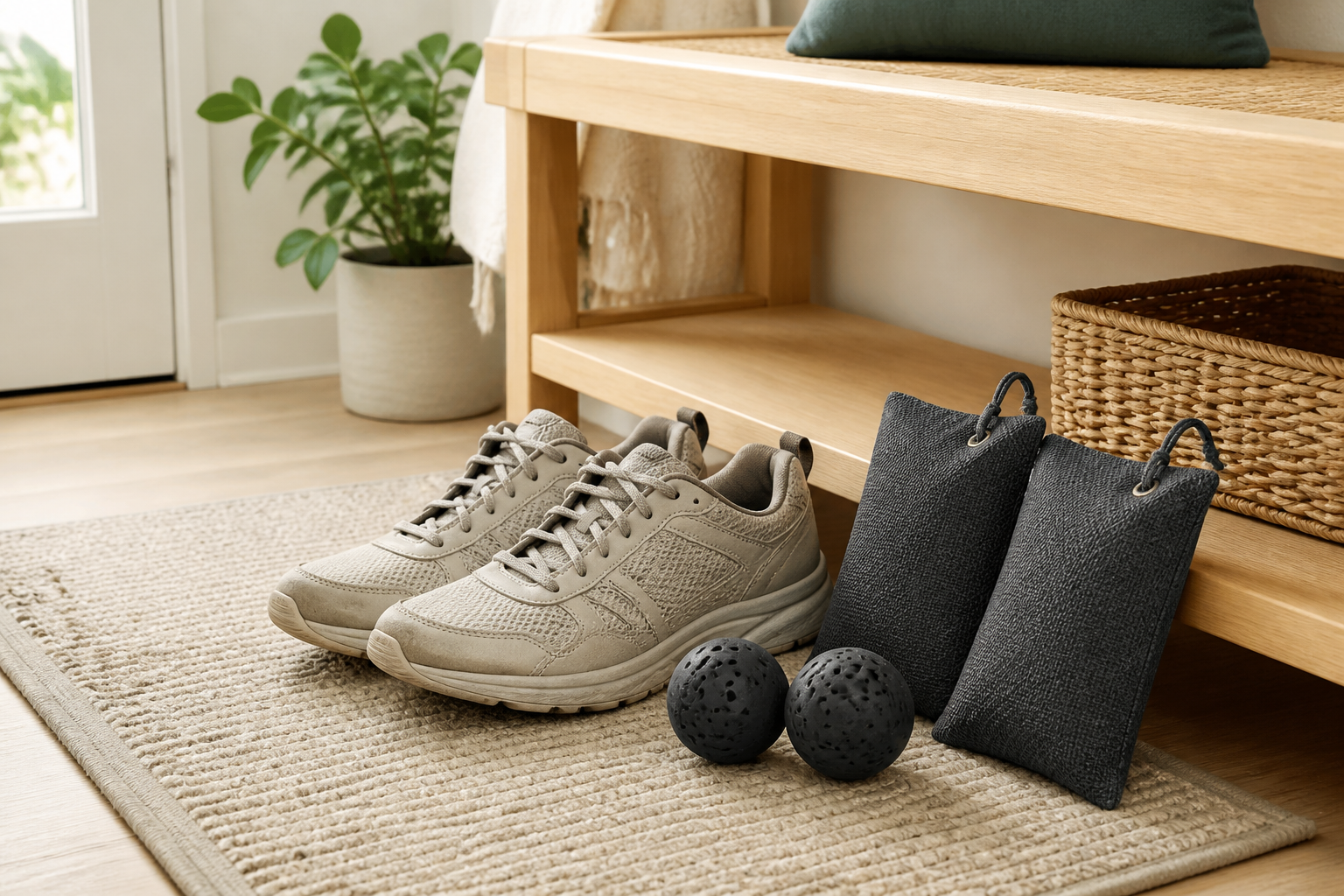
- Filled fabric pouches: Often use charcoal, mineral, wood, or plant-based fill. Check the complete contents, seam construction, size, fragrance, and exact reuse or replacement directions.
- Ventilated deodorizer balls: Compact shells can fit the toe box, but the listing should identify what is inside, how the vents operate, and when the insert is spent.
- Unfilled washable inserts: Some fabric inserts focus on absorbing residual moisture or holding a user-supplied material. Confirm the intended use and washing and drying directions.
- Sprays and powders: These create different ingredient, residue, inhalation, and shoe-material questions. This guide does not recommend them; treat vague antimicrobial, antifungal, or treatment language as a reason to stop and investigate.
Selection criteria that matter
- Disclosed contents: Reject inserts that do not clearly identify the fill or active fragrance material. “Natural” does not explain what is inside.
- Claim scope: Prefer modest odor-management language. Do not treat “kills germs,” “antifungal,” “detox,” or health-treatment claims as ordinary deodorizer features.
- Fit and contact: Compare measured length, width, and thickness with the shoe opening and toe box. Check whether rough shells, leaking fill, oils, or dyes could contact the lining.
- Fragrance: Unscented and scented are different choices. Verify fragrance disclosure and avoid assuming a strong scent means better odor control.
- Drying first: Read whether shoes must be dry before insertion. A deodorizer should not trap moisture or replace the shoe maker’s drying instructions.
- Reuse directions: Look for specific airing, warming, sunlight, washing, or replacement instructions and their material limits.
- Pair management: Check whether the package supplies two inserts and whether each piece is easy to retrieve without forcing it into the toe.
- Seller and returns: Confirm the seller, package contents, directions, and return policy before use changes the product.
A practical comparison framework
Mark each candidate yes, no, or unclear:
- Are every fill material and added fragrance clearly disclosed?
- Is it non-medicated and free of unsupported treatment or germ-killing claims?
- Will the measured insert fit without stretching or abrading the shoe lining?
- Do the instructions explain when to insert it and whether the shoe must be dry?
- Are reuse, reactivation, cleaning, and replacement steps specific?
- Are cautions for leather, foam, adhesives, color transfer, heat, or moisture stated?
- Can the insert be removed easily and stored away from children and pets as directed?
- Are seller identity, package quantity, and return terms visible?
Claims and maintenance limits
“Eliminates all odor,” “works for years,” and similar phrases should be treated as marketing unless the maker defines the test conditions, use cycle, and replacement point. Shoe construction, drying time, frequency of wear, moisture, and cleaning all change the result.
Follow the shoe maker’s care directions first. Remove insoles only when they are designed to come out, let damp shoes dry away from unsafe heat, and stop using an insert if it leaks, transfers color or oil, damages the lining, or causes irritation. Keep filled inserts away from children and pets according to the maker’s warnings.
Who should skip this purchase
Skip a deodorizer if ordinary airing and shoe care already solve the problem, if the product hides its contents, or if its reuse instructions conflict with the shoe’s material guidance. Skip medicated or treatment-positioned listings when you are only shopping for a maintenance accessory.
Persistent strong odor alongside itching, broken skin, pain, swelling, or another foot concern is not a product-comparison problem. A qualified healthcare professional can help assess that situation instead of relying on fragrance or marketplace treatment claims.
Bottom line
The best-fit shoe deodorizer is a clearly labeled, non-medicated insert that fits the shoe, has realistic instructions, and does not interfere with drying or care. Compare disclosed contents and maintenance steps first, and skip products built around undisclosed ingredients or health claims.