X vs Y comparison
Portion-Control Plates vs Portion-Control Containers
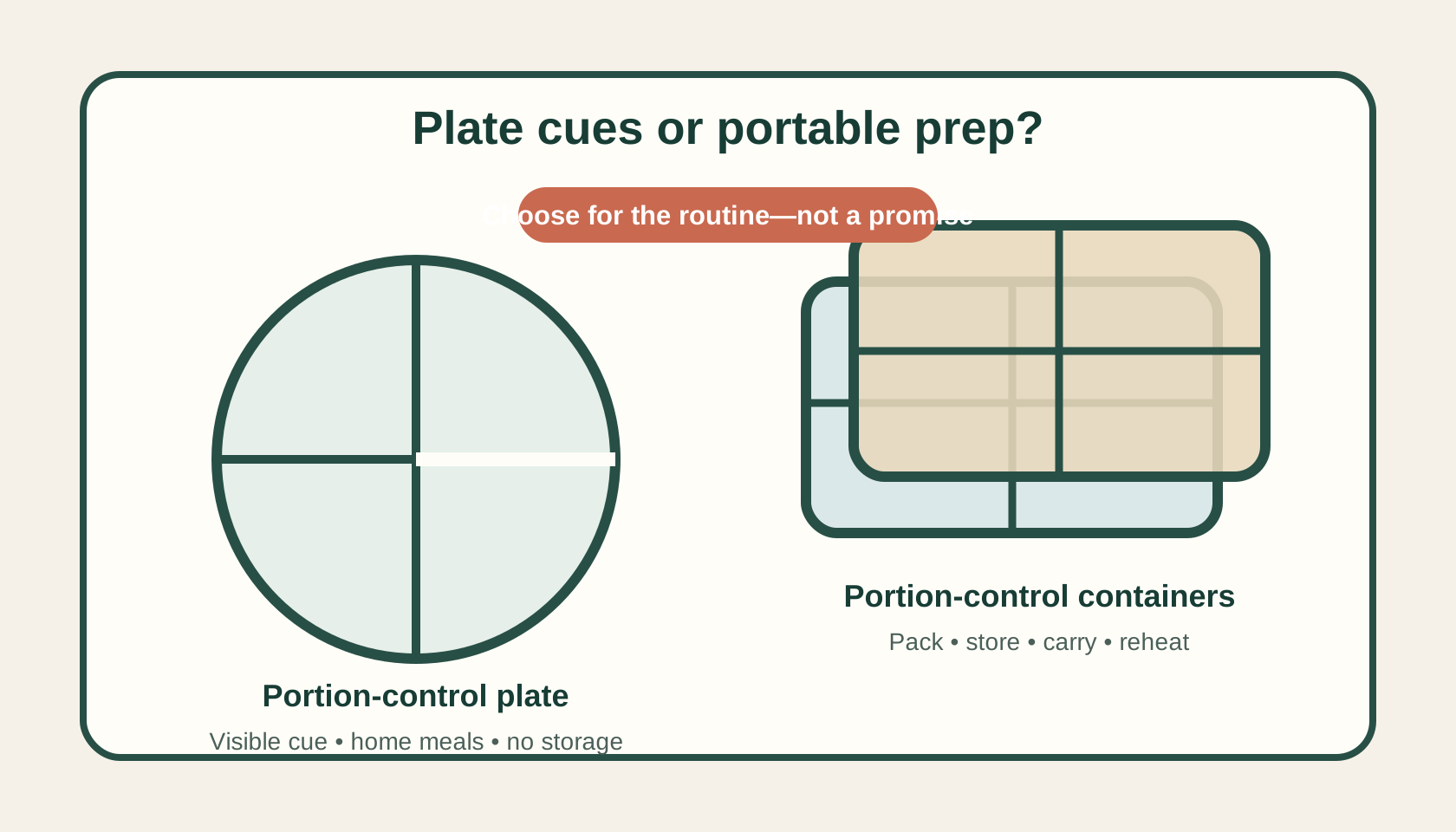
A divided plate gives a visible cue while you eat at home. Portion-control containers are built to pack, store, and carry food. Neither format determines an appropriate amount of food for every person or causes weight loss; the useful choice depends on where meals happen, how much setup you want, and whether divided sections feel supportive or restrictive.
As an Amazon Associate, GoodWeighFinds earns from qualifying purchases.
Quick decision
- Choose a plate when the tool will stay at home and a simple visual layout is more useful than packing or storage.
- Choose containers when meals need to be prepared ahead, refrigerated, carried, or reheated away from home.
- Choose ordinary dishes or containers when fixed sections do not match the foods you eat, you already own workable gear, or portion-branded tools add pressure.
What a portion-control plate does well
A divided plate keeps the cue visible during a meal and requires almost no setup beyond serving food. It may suit someone who eats mostly at home, dislikes measuring or logging, and wants broad sections rather than numbers. A subtle adult design can also feel less like a diet product than color-coded systems covered in rules.
Its limit is equally clear: a plate does not store leftovers, seal for transport, or prepare several meals at once. Fixed sections may fit some mixed meals poorly, and printed labels can present one layout as universally correct when individual needs, appetites, cultures, and foods vary.
What portion-control containers do well
Containers earn their place when food has to move through a routine: prepare, refrigerate, carry, reheat, and wash. Compartments can keep foods separate, and lids make the format useful for work lunches, long shifts, or make-ahead meals.
The tradeoff is maintenance. More pieces mean more lids, corners, seals, and storage space. Small fixed compartments can also encourage a buyer to follow the container rather than their own hunger or appropriate professional guidance. A product name is not evidence that its capacity fits a particular person.
Who each option fits
A plate is the calmer fit for home-centered meals, limited cabinet space, quick cleanup, and people who want a visual cue without planning every meal in advance. It is weaker for commuters, leftovers, batch cooking, or meals that do not divide neatly.
Containers fit meal-prep and packed-lunch routines, especially when storage and transport solve a real problem. They are less useful when the buyer rarely packs food, dislikes washing lid parts, has a small fridge, or already has ordinary containers that work.
Either option can be skipped. If fixed portions, food logging, or divided dishes intensify anxiety, guilt, restriction, binge-restrict cycles, or a history of disordered eating, another product is unlikely to make the routine safer. Individual nutrition needs belong with a qualified healthcare professional, not a container chart.
Tradeoffs worth comparing
- Setting: Plates work at the table; containers add refrigeration, transport, and leftover storage.
- Flexibility: Look at section shape and whether mixed foods, sandwiches, soups, or larger items fit without forcing the meal into a template.
- Visibility: A plate cue is visible while eating. A container layout is most useful during packing and may be less noticeable after food is served elsewhere.
- Storage: One plate is simple to stack. Container sets require matching lids and enough fridge, drawer, and bag space.
- Durability: Plates may chip or break. Container bases can stain or warp, while tabs and gaskets can wear out.
- Social fit: A neutral plate or plain container may feel more comfortable than brightly labeled diet-system gear.
- Cost: Compare the number of pieces you will actually use, replacement-lid availability, and return terms—not a large set marketed as better value.
Setup and maintenance
For a plate, confirm the overall diameter as well as section dimensions. Check material, weight, raised-edge height, microwave and dishwasher labeling, and whether the divisions make sense for foods you routinely eat. A plate that is awkward in the cabinet or microwave will not become useful because it has more labels.
For containers, measure the lunch bag, refrigerator shelf, and storage drawer before buying. Verify which components are microwave-, freezer-, or dishwasher-safe; instructions may differ for the base, lid, and gasket. Treat “leakproof” as a claim to check, and plan to carry liquids upright unless the maker clearly supports otherwise.
Start with one plate or a small container set when possible. Use the return window to check handling, cleaning, visibility, and whether the sections create useful structure without becoming rules.
Claims to reject
Skip listings that promise guaranteed weight loss, automatic calorie control, appetite suppression, a metabolism boost, or a “perfect” portion for every adult. These tools can change how food is arranged or carried; they cannot establish individualized nutrition needs or prove a body result.
Also avoid bundles that connect ordinary dishes to detox products, supplements, stimulants, patches, or GLP-1 alternative claims. Those are higher-risk product categories, not useful bonuses.
Skip criteria
Skip a portion plate if most meals are packed, the sections conflict with foods you enjoy, or the design feels conspicuous or childish. Skip portion containers if you do not prepare ahead, lack storage space, need soup-ready vessels, or will resent matching and cleaning multiple lids.
Skip both when ordinary dishes already meet the need, when the purchase is driven by shame or a rapid-result promise, or when fixed sections make eating feel punitive. A plain plate plus ordinary reusable containers is a valid and often more flexible setup.
Next steps
If the plate format fits, the portion-control plate claim check explains sizing, visual cues, and marketing limits. If storage and transport matter more, use the portion-control container buying guide or the broader meal-prep container guide.
This comparison maps to the routine-support tools pillar, where plates and containers sit alongside lower-risk tools that can reduce friction without promising fat loss.
Bottom line
Choose a portion-control plate for a visible, low-setup cue at home. Choose portion-control containers when packing, storage, and transport are the real job. Neither is a universal portion rule, and neither is necessary when ordinary kitchenware feels more flexible and less pressuring.