If you are trying to build steadier weight-loss habits, a tracker can look like an easy win. The problem is that many journals, planners, printables, and apps are sold with language that quietly shifts from “helps you notice patterns” to “this will transform your body.” That jump matters. A tracker can organize information, but it cannot guarantee weight loss, diagnose what is happening in your body, or replace professional support.
For the broader category of practical products that may support routines without promising fat loss, compare this with the routine-support tools guide.
What a habit tracker can reasonably do
A good tracker helps you write down behaviors you want to observe: meals, movement, sleep, water intake, mood, hunger cues, grocery planning, or appointments. That can make patterns easier to see over time. It may also reduce decision fatigue if the layout helps you plan ahead.
That is different from proving that the tracker caused a result. Weight change is affected by many factors, including health conditions, medications, stress, sleep, access to food, and daily routine. Be cautious when a product listing implies that filling in boxes is enough to create a specific outcome.
Selection criteria worth using
When comparing habit trackers, start with the way you actually live. A complicated tracker with dozens of daily prompts may look impressive but become another abandoned notebook. Look for a format that is easy to keep using on normal, messy days.
- Simple daily structure: The tracker should make it easy to record a few useful habits without turning every meal or choice into a moral score.
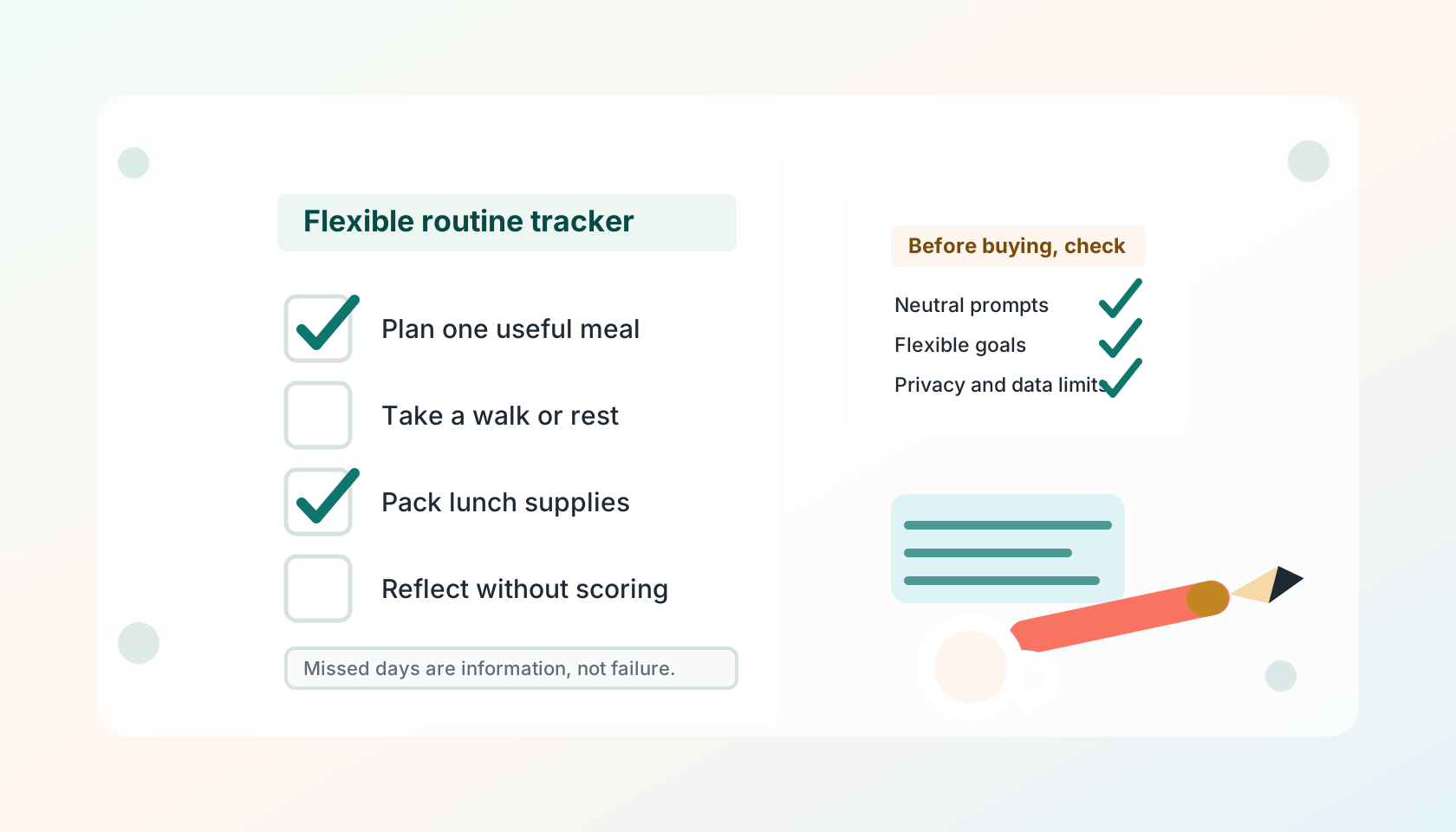
- Neutral language: Prefer products that use practical terms like planning, reflection, and consistency. Avoid trackers that frame food as punishment, failure, cheating, or virtue.
- Flexible goals: Good layouts allow rest days, missed days, travel days, and changing priorities.
- Space for context: Notes about sleep, stress, schedule, or hunger can be more useful than a streak counter alone.
- No medical promises: A journal should not claim to treat, cure, reverse, detox, burn fat, balance hormones, or replace care from a qualified professional.
Red flags in product listings
Be extra skeptical when a listing leans on extreme promises instead of showing the actual pages, prompts, or features. A tracker should be judged by its usability, not by dramatic before-and-after language.
- Promises of fast or guaranteed weight loss
- Claims that a planner can “reset” metabolism, hormones, or digestion
- Shame-heavy wording about discipline, laziness, cheating, or failure
- Very restrictive meal rules built into the product
- Streak systems that treat illness, rest, travel, or normal life interruptions as failure
- Bundled supplement, tea, patch, or detox recommendations
- Recurring subscription traps that are not clearly explained before checkout
Journal, printable, or app?
Paper journals are useful for people who like a visible routine and do not want another notification. Printables can be cheaper and flexible, but they require printing and organizing. Apps can be convenient for reminders and search, but they may also push paid upgrades, calorie fixation, or unnecessary data collection.
None of these formats is automatically better. The safer question is: which one helps you notice patterns without making your day smaller, harsher, or more obsessive?
When a tracker is the wrong next step
A habit tracker is not the right tool for every situation. If weight changes are sudden, unexplained, linked with symptoms, or connected to medication changes, a healthcare professional is the right next step. The same is true if tracking food, weight, or exercise feels compulsive, distressing, or tied to guilt.
For many adults, the best tracker is boring in a good way: clear pages, plain language, flexible goals, and no miracle claims. If a product cannot explain what it actually helps you record, it probably has no business promising a body outcome.