Worth-it decision guide
Are Portion-Control Containers Worth It for Meal Prep?
Portion-control containers can be worth it when their sizes and compartments make packing ordinary meals easier. They are not worth buying because a color-coded system promises weight loss or treats one set of portions as right for everyone. Your best answer may be buy, delay, choose regular containers, or skip portion-focused tools.
As an Amazon Associate, GoodWeighFinds earns from qualifying purchases.
Quick verdict
- Buy if separate sections or repeatable container sizes solve a real packing problem and the system feels flexible.
- Delay if you have not measured your meals, lunch bag, fridge shelf, or storage space—or if an ad is creating urgency.
- Choose an alternative if regular containers, jars, reusable bags, or containers you already own provide enough structure.
- Skip if labels, colors, or small compartments encourage shame, rigid restriction, or anxiety around eating.
- Escalate to a qualified healthcare professional when portion decisions relate to a medical condition, pregnancy, medication, or an eating concern.
When they earn the cupboard space
The strongest reason to buy is logistics. A divided container can keep wet and dry foods apart, make several packed lunches easier to stack, or reduce the number of loose tubs in a work bag. A mixed-size set can also make leftovers easier to see and use.
The container supports a routine; it does not determine an appropriate amount of food or cause weight loss. Buy only when the shape, size, and layout solve something concrete in meals you already prepare.
When regular containers are the better choice
Plain containers are usually more flexible for soups, salads, leftovers, snacks, and changing appetites. They also avoid systems that assign moral meaning to colors or imply that every adult needs identical portions.
Try your existing containers for a week before buying. If the real problem is missing lids, awkward shapes, or a lunch bag that is too small, a targeted replacement may cost less and create less clutter. The routine-support tools pillar offers a broader framework for choosing tools that reduce friction without promising body results.
Cost, setup, and maintenance tradeoffs
The purchase price is only part of the cost. A large set needs cabinet, fridge, and drying-rack space. Complicated lids and removable seals take more time to wash. Lost or warped lids can make an otherwise usable base into clutter, so replacement-part availability matters.
Setup means checking actual dimensions against your usual meals, microwave, freezer, dishwasher, lunch bag, and shelves. Manufacturer labels—not marketing shorthand—should determine whether each base and lid can be heated, frozen, or washed in a machine.
Five practical checks before buying
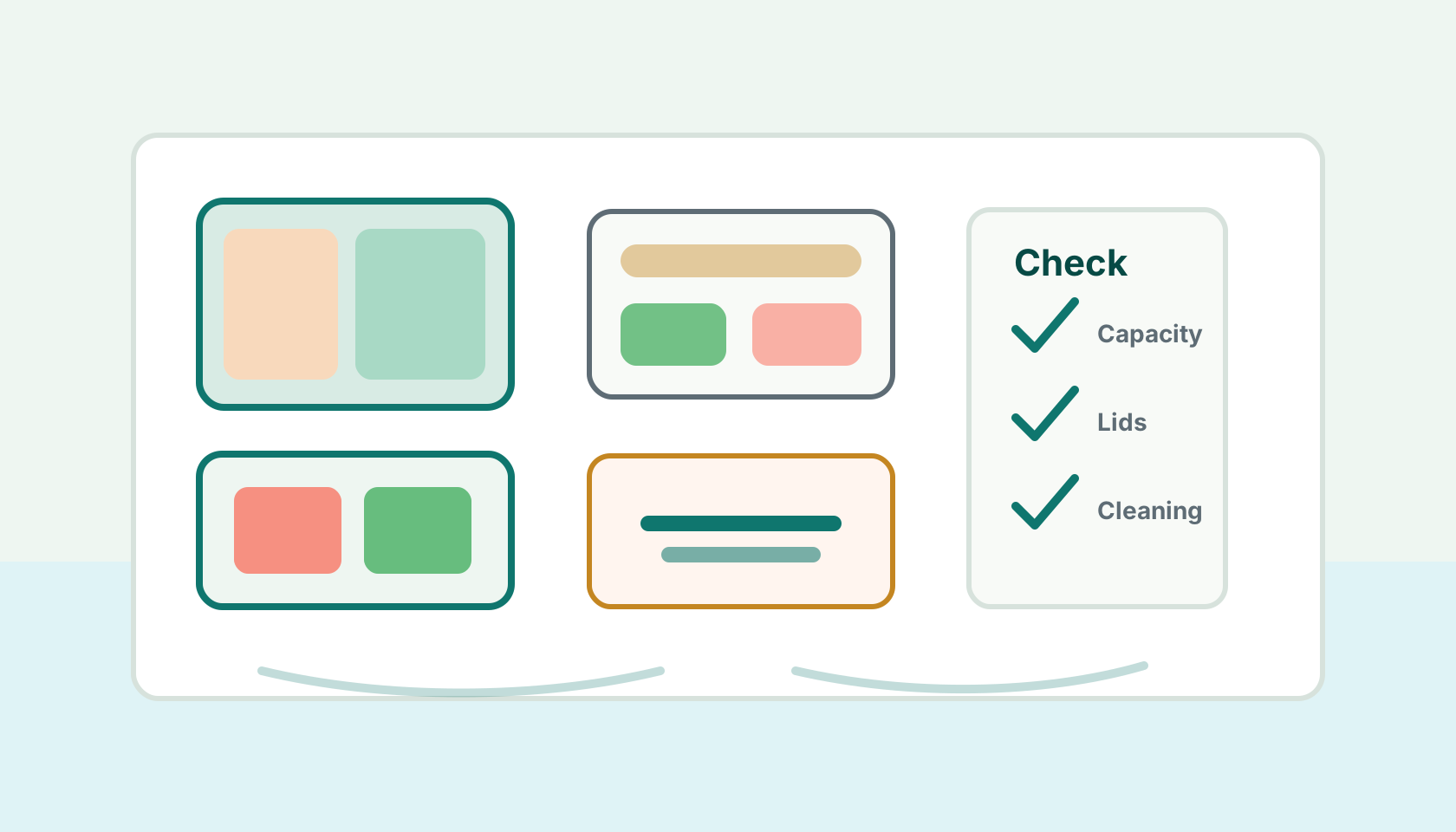
- Usable capacity: Look at dimensions and volume, then compare them with food you actually pack rather than a branded meal plan.
- Layout: Choose compartments only when separation helps; fixed dividers reduce flexibility for larger or mixed meals.
- Materials and instructions: Confirm directions for the base, lid, gasket, microwave, freezer, and dishwasher separately.
- Lid life: Check how seals are cleaned and whether replacement lids or gaskets are sold.
- Daily friction: Consider stacking, nesting, drying, transport weight, and whether everyone in the household can use the closures.
If the decision is yes, use the full portion-control container buying guide for a closer listing check.
Red flags that make the answer “skip”
- Guaranteed weight-loss, fat-burning, detox, metabolism, or rapid-result claims attached to ordinary containers.
- Before-and-after imagery, shame-based language, or claims that hunger should be ignored.
- A one-size-fits-all plan presented as appropriate for every adult.
- Vague material descriptions or missing microwave, freezer, and dishwasher instructions.
- “Leakproof” claims without clear closure details, care instructions, or limits.
- A challenge, subscription, supplement, stimulant, appetite-suppressant, patch, or “GLP-1 alternative” bundled with the containers.
Who should skip or pause
Skip portion-labeled sets if they turn meals into a score, make you feel guilty for needing more food, or encourage compulsive measuring. Choose neutral storage—or no tracking tool—when that makes eating and meal prep calmer.
Pause and seek individualized guidance if portion decisions are connected to diabetes, pregnancy, medication effects, a prescribed nutrition plan, an eating-disorder history, or distress around food. A container set cannot provide personal nutrition targets or replace appropriate care.
Bottom line
Portion-control containers are worth it when their physical design makes packing, storing, or carrying meals easier. Delay until you know the sizes fit. Choose ordinary containers when flexibility matters more than a labeled system. Skip them when the product adds pressure, restriction, or weight-loss hype. Buy a storage tool for a storage problem—not a promised body result.