GoodWeighFinds is for general information only and is not medical advice. Readers should talk with a qualified healthcare professional before starting weight-loss products, supplements, diets, or exercise changes.
Claim-check pillar
Weight-Loss Product Claim Checks
Weight-loss product claims can sound confident long before the evidence is clear. This pillar helps adults slow down, sort practical tool claims from body-result promises, and decide when a product page deserves more caution than curiosity.
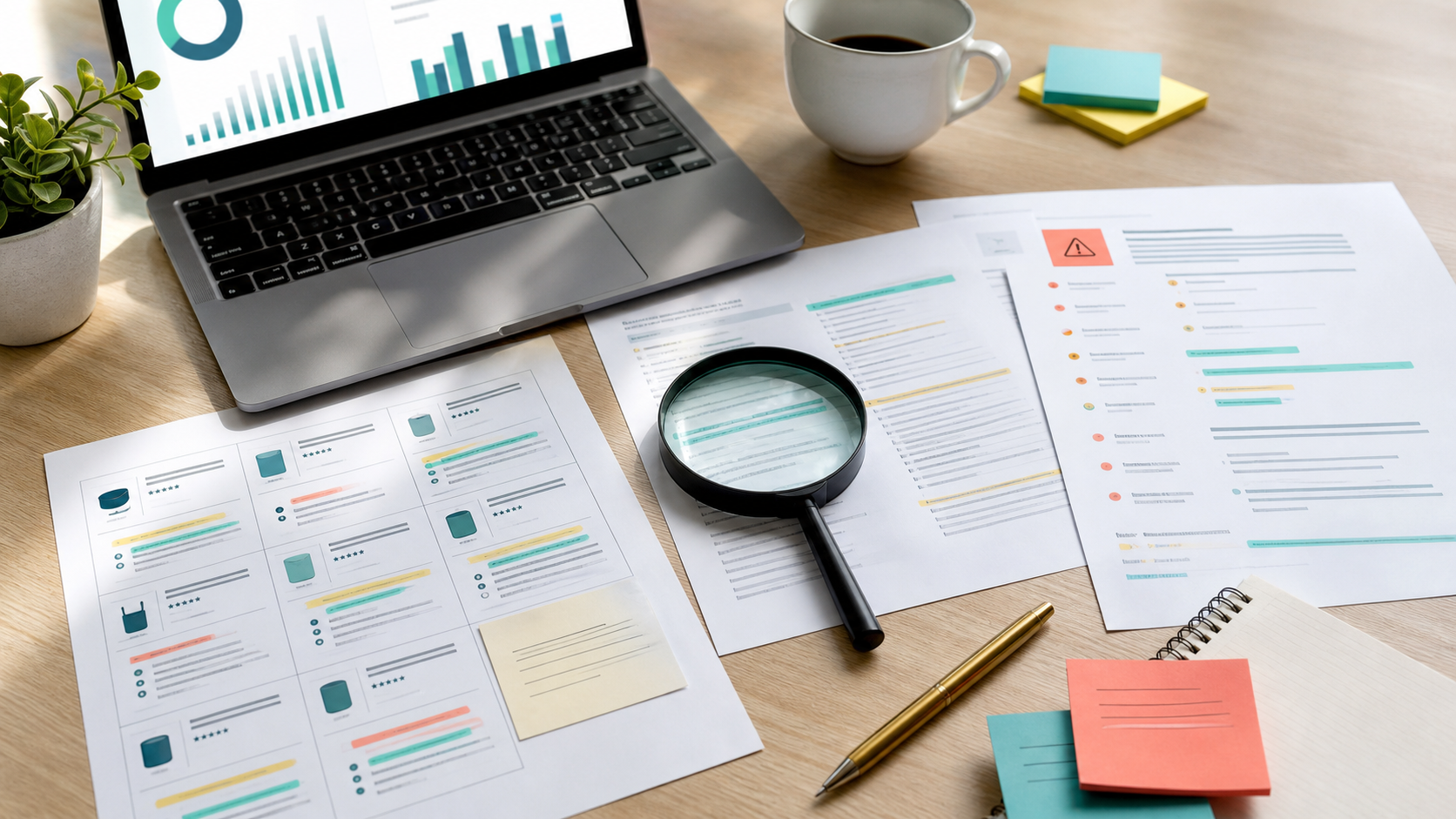
Start by naming the type of claim
A safer claim check starts with a plain question: what is the product saying it can do? A lunch bag, kitchen scale, journal, walking shoe, or water bottle may make a practical task easier. That is different from claiming fat loss, appetite control, metabolism changes, detox effects, body recomposition, or medical-style results.
GoodWeighFinds treats the first group as routine-support tools that still need fit, cost, privacy, safety, and skip criteria. The second group needs a higher evidence standard and often a warning-first review before any purchase decision.
Sort evidence from marketing
- Visible product function: The product performs a limited task you can inspect, such as measuring, storing, carrying, tracking, or reminding.
- Manufacturer claim: The seller says what the product should do, but the statement still needs support and limits.
- Customer anecdote: A review describes one person's experience, not proof that the product caused a result or will fit another person.
- Evidence-backed guidance: The claim connects to credible evidence while still explaining who it may not fit.
- Unsupported promise: The page relies on urgency, vague science, dramatic testimonials, or body-change language without enough context.
Claims that deserve extra caution
Be especially careful with claims about rapid weight loss, fat burning, appetite suppression, detoxing, metabolism boosts, hormone balancing, targeted belly fat, body-composition changes, effortless results, or before-and-after proof. These claims can make a shopping decision feel like health guidance, even when the listing cannot account for medical history, medications, eating-disorder history, pregnancy, symptoms, or individual risk.
Products involving supplements, stimulant positioning, patches, GLP-1 alternative language, hidden ingredients, laxatives, dehydration tactics, or extreme restriction should be escalated for review before GoodWeighFinds treats them as recommendable.
Useful support guides
For Amazon-specific risk flags, start with the Amazon weight-loss product red-flag guide, the Amazon product page checklist, or the risky Amazon claim checklist. For broader listing language, use the weight-loss product listing hype checklist.
If the product is a practical routine helper, compare it with the routine-support tools guide. If tracking, journals, scales, or numbers are involved, use the non-shaming habit tracking guide. If the product is a supplement or makes broad body-result claims, read why generic weight-loss supplements deserve caution before moving forward.
A quick pre-buy claim check
- Can the product's value be explained without weight-loss language?
- Does the page describe a practical feature, or does it promise a body outcome?
- Are safety limits, who-should-avoid-it details, ingredients, app terms, or return terms easy to find?
- Are reviews being used for practical quality signals or treated like proof of health results?
- Would a qualified healthcare professional be a better next step before trying it?
Bottom line
A careful claim check does not have to prove every product wrong. It only has to keep marketing in its lane. Practical tools can support routines, but product pages should not promise body changes, medical outcomes, or shortcut results that they cannot responsibly support.