GoodWeighFinds is for general information only and is not medical advice. Readers should talk with a qualified healthcare professional before starting weight-loss products, supplements, diets, or exercise changes.
Pillar guide
Non-Shaming Weight-Loss Habit Tracking Guide
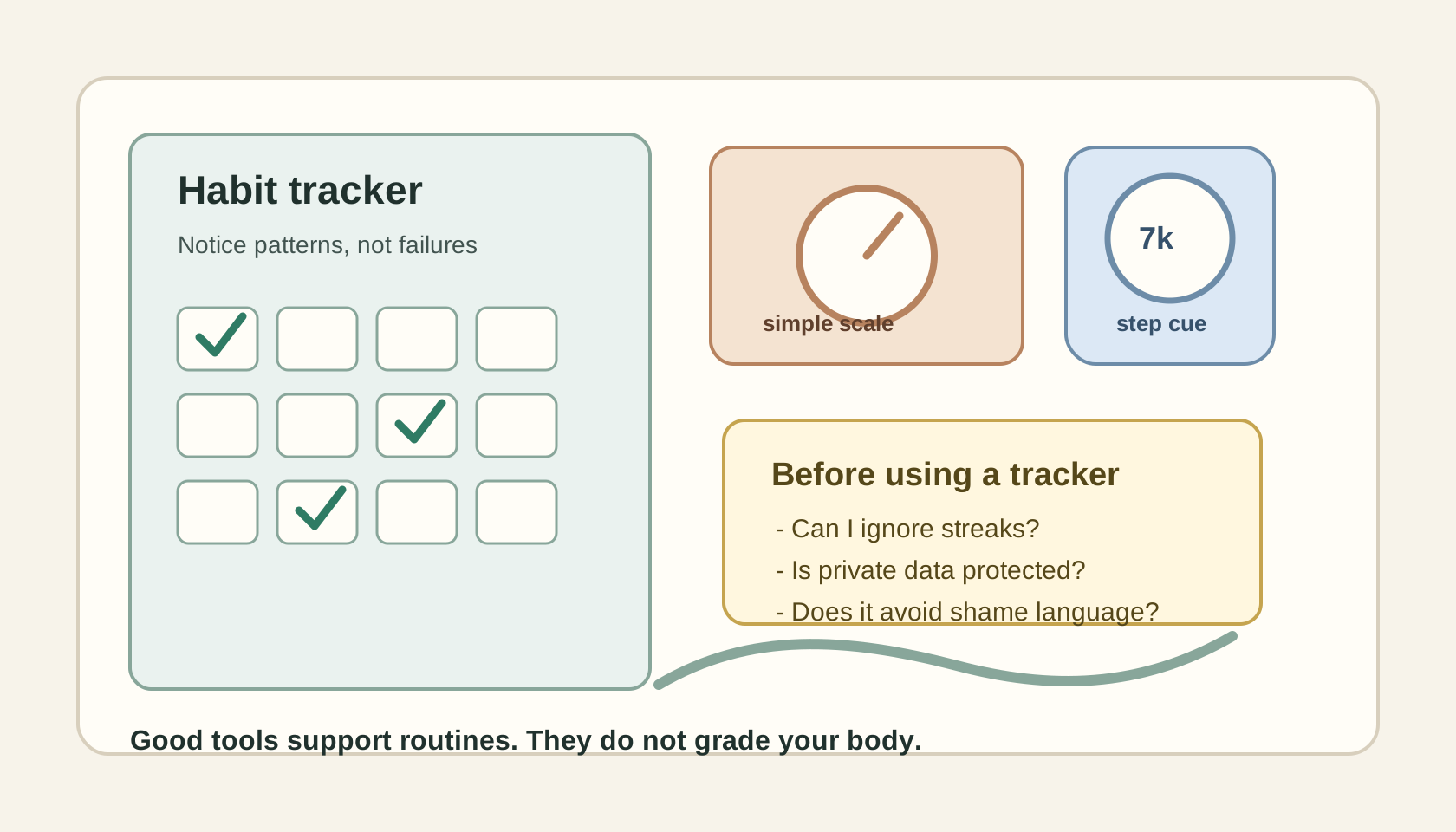
Habit tracking can support planning, reflection, and calmer routines. It can also slide into pressure, privacy tradeoffs, obsessive checking, or product claims that make a tracker sound like a treatment plan. This guide helps adults compare tracking tools without turning the numbers into a verdict.
Start with what you actually want to notice
Before buying a journal, app, scale, step counter, or planner, name the job. Do you want to remember walks, plan lunches, spot sleep patterns, prepare grocery lists, track medication questions for a clinician, or notice whether a routine is realistic? Those are practical tracking goals.
Be more cautious when the goal is vague body control: guaranteed fat loss, daily weigh-in obedience, calorie perfection, appetite suppression, or proof that a product works. A tracker can record information. It cannot diagnose your health, choose the right diet, treat a condition, or promise weight-loss results.
Choose the lowest-pressure format that fits
The best tracker is often the simplest one you can use without dread. Paper journals can be flexible and private. Printable checklists can help you test a format before buying a bound planner. Calendar reminders can be enough for walks, meal planning, or appointments. Apps can add reminders and search, but they also bring accounts, notifications, subscriptions, and data policies.
Scales and step counters are narrower tools. A bathroom scale records one number at a point in time. A step counter estimates movement. Smart devices may add trend charts, body-composition estimates, badges, and scores, but more data does not automatically mean better guidance.
Non-shaming buying criteria
- Neutral language: Prefer products that say notice, plan, reflect, adjust, rest, and repeat. Be wary of earn, burn, cheat, fail, crush, no excuses, or never miss.
- Flexible layouts: The tool should allow rest days, travel, illness, medical appointments, changing priorities, and blank spaces without framing them as failure.
- Privacy control: Check who can see the notes or data, whether an app account is required, and whether health-adjacent data can be deleted or exported.
- Clear limits: A good product explains what it records and what it cannot know. Avoid tools that turn estimates into medical-sounding certainty.
- Pressure controls: Look for options to turn off streaks, weight-loss prompts, calorie estimates, aggressive reminders, leaderboards, and public sharing.
- Exit signs: Choose tools you can stop using without losing access to important records, getting stuck in a subscription, or feeling like you failed.
How to compare common tracking tools
For journals and planners, inspect the actual prompts. Strong pages leave room for context such as sleep, stress, hunger, schedule, movement, meals, symptoms, and questions for a professional. Weaker pages lean on rigid meal rules, countdowns, body measurements, or shame-heavy motivational copy.
For scales, decide whether you really want weight tracking in your routine. If you do, a simple no-app scale may be calmer than a connected model. If you compare smart scales, treat body fat percentage, muscle mass, water percentage, metabolic age, and similar numbers as estimates with limitations, not clinical answers.
For step counters, focus on readability, comfort, battery life, app requirements, privacy, and whether targets are adjustable. A step count can be a prompt to notice movement. It should not push someone to ignore pain, dizziness, accessibility needs, fatigue, or medical guidance.
Claim red flags to slow down around
Tracking products should not promise rapid weight loss, guaranteed body changes, appetite control, detox results, hormone balancing, metabolism resets, or medical improvement. A journal does not burn fat. A step counter does not prove fitness. A scale does not explain your full health. Customer anecdotes and influencer screenshots are not evidence that the same result will happen for another person.
Also pause if a tracker is bundled with supplements, teas, patches, stimulant products, restrictive meal plans, GLP-1 alternative claims, or recurring trial offers. Those categories need warning-first review and may be inappropriate without qualified professional guidance.
When tracking is the wrong next step
Skip or stop tracking if it increases guilt, obsessive checking, restriction, binge-restrict cycles, conflict at home, panic over ordinary fluctuations, or the feeling that your day has to be graded. A missed walk, blank page, or changed meal plan is information at most. It is not proof of character.
Talk with a qualified healthcare professional before relying on trackers for sudden weight changes, symptoms, medication questions, pregnancy-related concerns, diabetes, heart concerns, eating-disorder recovery, or decisions about diets, supplements, or exercise intensity. A consumer product cannot personalize those decisions for you.
Useful next reads
For paper and app formats, compare the weight-loss habit tracker claim check, non-shaming habit tracker guide, and weight-loss journal buying guide. For device decisions, read the no-app bathroom scale guide, smart scale buying checklist, body composition scale claim check, and step counter guide.
Bottom line
Non-shaming tracking starts with humility. Choose a tool only if it helps you notice patterns, plan routines, or ask better questions without shrinking your day around numbers. Skip products that need shame, medical-sounding certainty, or guaranteed weight-loss promises to seem useful.