GoodWeighFinds is for general information only and is not medical advice. Readers should talk with a qualified healthcare professional before starting weight-loss products, supplements, diets, or exercise changes.
Buying guide
Best Non-Shaming Habit Trackers for Weight-Loss Routines
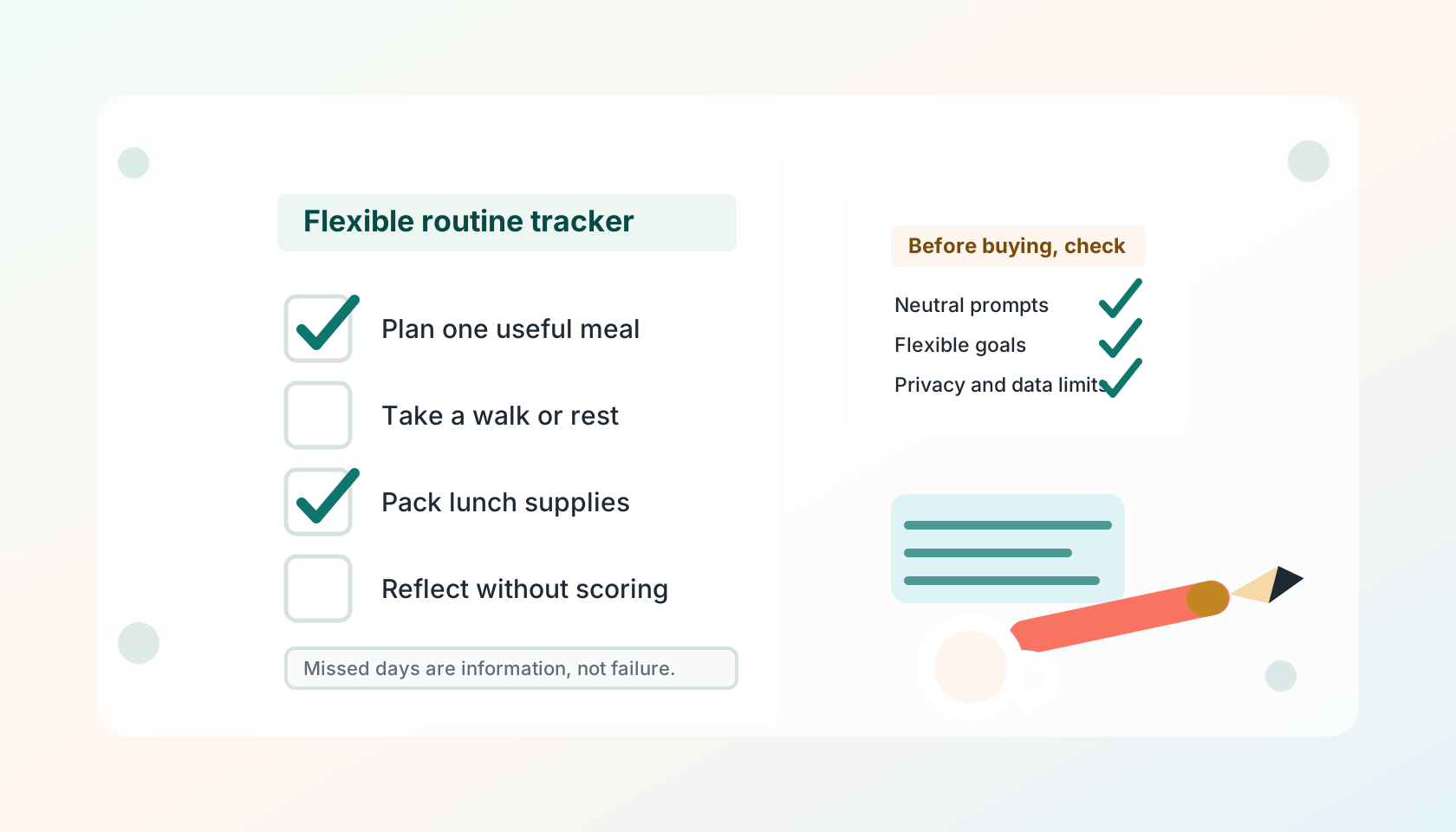
A habit tracker can make routines easier to see, but it should not turn eating, movement, rest, or weight tracking into a daily judgment. The best fit is usually a simple format that supports planning without promising a body result.
Who this guide is for
This guide is for adults comparing paper journals, printable checklists, dry-erase boards, simple apps, calendars, or reminder tools for weight-loss-adjacent routines. It is not a recommendation to track weight, food, calories, exercise, or body measurements. Tracking can help some people notice patterns, and it can make other people feel worse.
If you are still deciding whether a tracker is useful at all, start with the weight-loss habit tracker claim check. For a wider view of practical products that do not promise fat loss, read the routine-support tools guide.
What a good habit tracker should do
A good tracker helps you record a small number of practical actions or context clues: packing lunch, taking a walk, planning groceries, getting enough sleep, noting hunger cues, setting appointments, or noticing stress. It should make the routine easier to remember, not imply that a missed day is a personal failure.
Be cautious when a product listing jumps from organization to outcome claims. A notebook, printable, app, or board can organize information. It cannot guarantee weight loss, treat a health condition, reset metabolism, or prove that a diet, supplement, or exercise plan is right for you.
Best-fit tracker formats
- Paper journal: Best for readers who want a visible routine, handwritten reflection, and no app account. Skip overly rigid journals with moral labels for food or body size.
- Printable checklist: Best for low-cost testing before buying a bound planner. Check whether the prompts are flexible enough for travel, illness, rest days, and changing priorities.
- Dry-erase board: Best for household reminders, meal planning, or a simple weekly view. Avoid placing sensitive weight or food notes where they create pressure or privacy problems.
- Calendar system: Best for people who only need reminders and appointment planning. It can be calmer than a product built around streaks and scores.
- Simple app: Best when reminders, search, or portability matter. Read the privacy policy, subscription terms, data export options, and notification settings before using it for health-adjacent notes.
Non-shaming criteria to use before buying
Look closely at the words on the pages, prompts, notifications, and product photos. Good tracking language sounds practical: plan, notice, prepare, reflect, adjust, rest, repeat. Riskier language often sounds like punishment: earn, burn, cheat, fail, fix, crush, no excuses, or never miss.
Flexible layouts matter too. A tracker should allow blank days, rest days, medical appointments, travel, low-energy days, and routine changes. A product that only works when life is perfectly controlled may add stress instead of support.
Privacy and subscription checks
For apps and connected tools, privacy is part of the buying decision. Check whether the tracker requires an account, collects sensitive health or weight data, shares data with advertising partners, charges after a free trial, or makes cancellation hard to find. If the useful features sit behind a recurring subscription, compare that long-term cost with a simpler paper or calendar option.
Paper tools have privacy tradeoffs too. A journal left on a counter, a board in a shared kitchen, or a planner carried to work may expose information you did not intend to share. The safest format is the one you can use honestly without feeling watched.
Red flags in product listings
Slow down around habit trackers that promise rapid weight loss, body transformation, fat burning, appetite control, detox results, hormone balancing, or medical improvement. Also be careful with trackers bundled with supplements, teas, patches, stimulant products, or GLP-1 alternative claims. Those claims need warning-first review, not a routine-planner recommendation.
Customer photos, influencer stories, and before-and-after language are not proof that the tracker caused a result. Treat those as anecdotes or marketing, not evidence that the same outcome will happen for you.
When to skip habit tracking
Skip the tracker if it increases guilt, obsessive checking, food restriction, anxiety, conflict at home, or the sense that your day has to be graded. A blank page should not feel like a verdict. If tracking weight, food, or movement feels distressing or compulsive, a qualified healthcare professional or mental health professional with eating-concern experience is a better next step than a new planner.
Also seek qualified guidance for sudden weight changes, symptoms, medication questions, pregnancy-related concerns, eating-disorder recovery, or decisions about diets, supplements, or exercise intensity. A consumer tracker is not the right tool for those calls.
Bottom line
The best non-shaming habit tracker is plain, flexible, private enough for your life, and honest about its limits. Choose a tracker because it helps you notice and plan ordinary routines. Skip anything that needs shame, streak pressure, or body-result promises to sound useful.