If you are trying to lose weight, a journal can look refreshingly low-risk compared with powders, patches, teas, or devices that promise dramatic results. But the notebook aisle has its own problems: guilt-heavy trackers, rigid meal rules, before-and-after prompts, and motivational language that can make ordinary setbacks feel like failure.
A good weight-loss journal should help you notice patterns, plan realistic habits, and bring useful information to a healthcare professional if needed. It should not pressure you into starvation-style eating, obsessive tracking, dehydration tactics, or one-size-fits-all goals.
For a wider claim-check framework around journals, planners, printables, and apps, read the weight-loss habit tracker claim check before comparing specific journal formats. If you are still deciding whether a journal belongs beside kitchen tools, walking gear, or meal-prep containers, the routine-support tools guide gives the broader buying context.
What a useful weight-loss journal can do
The strongest case for a journal is not that writing things down causes weight loss by itself. It is that tracking can make routines easier to see. A simple journal may help you notice when skipped meals lead to late-night snacking, when poor sleep affects appetite, or which walking schedule is realistic during a normal week.
That is different from claiming a journal will deliver a specific result. Weight change is influenced by health conditions, medications, stress, sleep, food access, activity, age, and many other factors. A notebook can support behavior awareness, but it is not a treatment plan.
Selection criteria that matter
Look for journals that make daily use easy. The best option is usually the one you will actually open, not the one with the most complicated system. Prioritize clear pages, flexible prompts, and enough blank space to record what matters to you.
Helpful sections may include meal notes, hunger and fullness cues, water intake, sleep, movement, mood, grocery planning, and weekly reflection. These categories can support pattern-spotting without turning the journal into a punishment ledger.
Be cautious with journals built around aggressive countdowns, public weigh-in style pages, extreme calorie targets, or language that treats food choices as moral wins and failures. Those features may feel motivating for a day or two, but they can also encourage all-or-nothing thinking.
Red flags in weight-loss journals
Avoid journals that promise rapid transformation, guaranteed fat loss, or a specific number of pounds lost in a set timeline. Those claims are marketing, not reliable guidance.
Also watch for journals that pair tracking pages with supplement pitches, detox language, waist-trimming claims, or meal plans that appear very low in calories. A planner should not be a funnel into products with weak evidence or safety concerns.
Be especially careful with anything that encourages fasting beyond your comfort or medical needs, laxative use, dehydration, sweat-based weight loss, or stimulant-heavy routines. Temporary scale changes are not the same thing as healthy fat loss.
What to track without overdoing it
For many adults, a balanced journal starts with a few low-drama signals: meals, movement, sleep, energy, and a short note about what made the day easier or harder. That is often more useful than trying to record every number perfectly.
If weight tracking feels stressful, choose a journal that does not make the scale the centerpiece. You can still track habits, consistency, strength, walking time, meal planning, or how certain routines affect your day.
If you have a history of disordered eating, feel anxious around food logs, or notice tracking becoming obsessive, a weight-loss journal may not be the right tool without professional support. A qualified healthcare professional or registered dietitian can help you choose a safer approach.
Features worth considering
A weekly planning page can be more useful than a highly detailed daily scorecard. Weekly layouts help you plan groceries, identify busy nights, and set a realistic movement target before the week gets away from you.
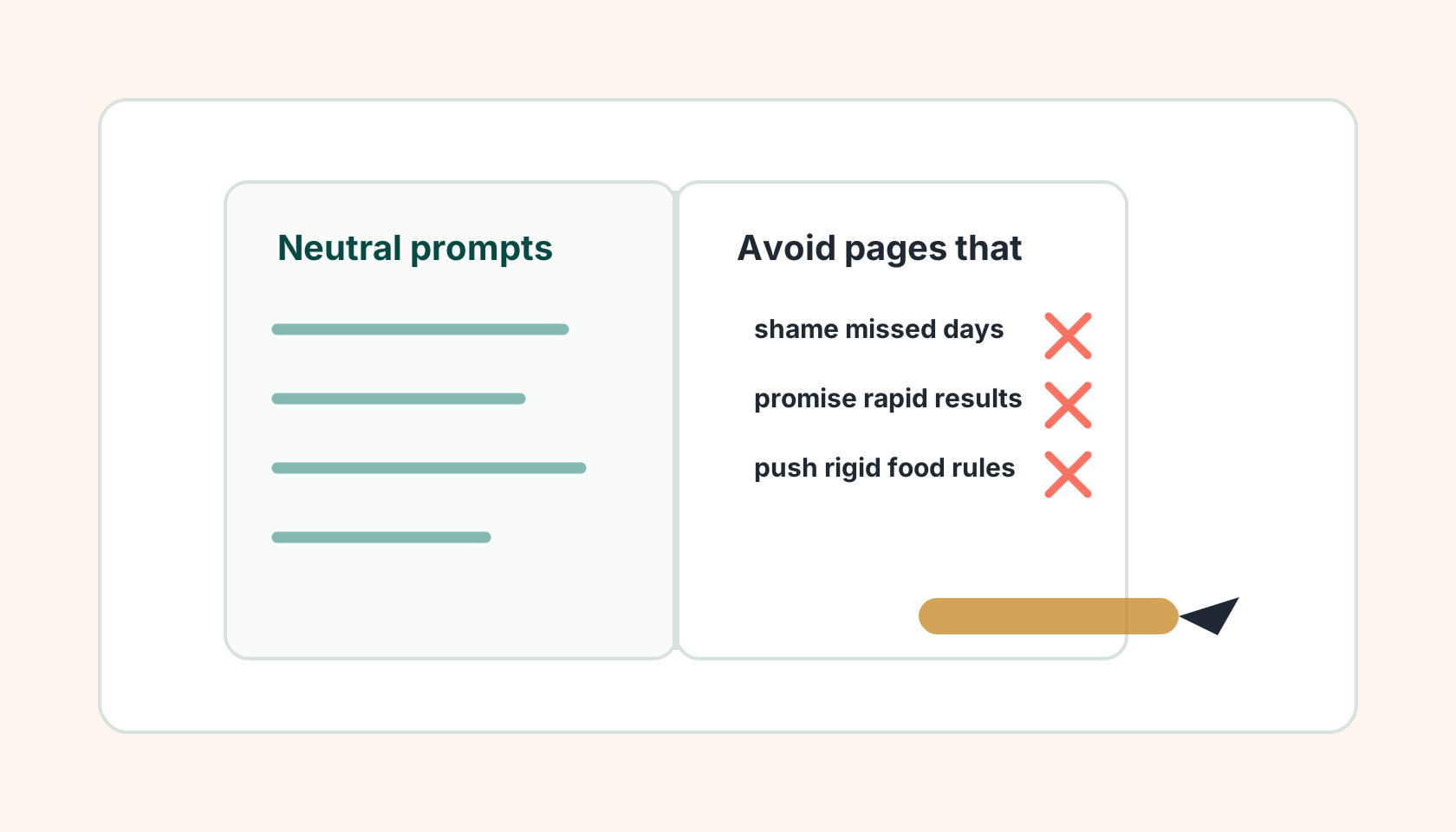
Reflection prompts can also help, as long as they are neutral. Good prompts ask what worked, what got in the way, and what you want to adjust. Less helpful prompts shame you for missed workouts or frame normal eating as cheating.
Portability matters too. If you plan meals at work or track walks while away from home, a smaller journal may beat a thick guided workbook. If you prefer privacy, a plain-cover notebook may feel better than a loud weight-loss-branded planner.
When a journal is not enough
If you are dealing with unexplained weight changes, dizziness, fatigue, binge eating, medication side effects, diabetes, pregnancy, heart concerns, or a history of eating disorders, do not rely on a journal as your main guide. Bring your notes to a qualified healthcare professional and ask for individualized advice.
The best use of a weight-loss journal is humble: it helps you collect observations, not prove your worth. Choose one that supports steady routines, protects your mental bandwidth, and leaves room for real life.