If you are shopping for a scale because you want a clearer picture than body weight alone, body composition models can be tempting. They often promise body fat percentage, muscle mass, water weight, visceral fat estimates, metabolic age, and app dashboards that turn every weigh-in into a chart.
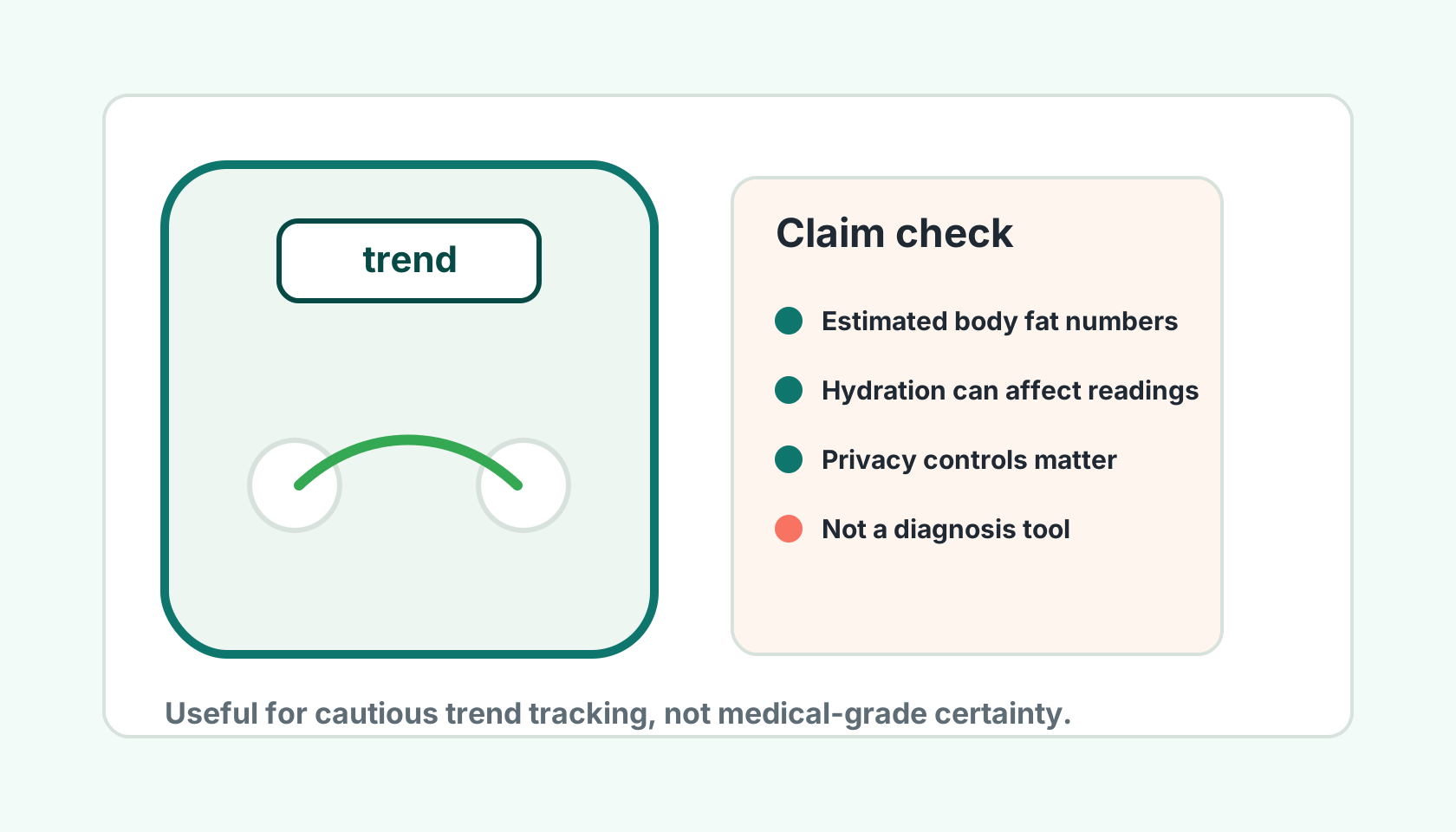
The problem is not that every smart scale is useless. The problem is that many product pages make the numbers feel more exact than they are. For everyday home use, these devices are better treated as rough trend tools, not medical-grade measurement equipment.
If you are comparing connected scale features more broadly, start with the smart scale buying checklist. If tracking itself is the concern, the non-shaming habit tracker guide covers privacy, pressure, and skip criteria.
What These Scales Usually Measure
Most consumer body composition scales use bioelectrical impedance analysis, often shortened to BIA. The device sends a very small electrical signal through the body and estimates composition based on resistance, user-entered details, and built-in formulas.
That means the output is not a direct scan of your body fat, muscle, or organ fat. It is an estimate. Hydration, recent meals, exercise, alcohol, menstrual cycle changes, skin temperature, foot placement, and the specific formula used by the scale can all affect the reading.
Selection Criteria That Matter
When comparing body composition scales, focus less on the biggest list of metrics and more on whether the product helps you use the data carefully.
- Clear limitations: Better product pages explain that body composition numbers are estimates and may vary.
- Consistent tracking: A useful scale should make it easy to compare readings under similar conditions over time.
- Privacy controls: App-connected scales can collect weight and health-adjacent data, so check account, sharing, and deletion options.
- Multiple user support: If more than one person will use it, look for clear profile separation.
- Basic usability: A readable display, stable platform, and simple app setup matter more than a long list of questionable metrics.
Claims To Treat Carefully
Be skeptical when a product page implies the scale can diagnose health status, precisely identify dangerous fat, or tell you exactly how much muscle you gained from a short exercise program. Home scales are not a substitute for clinical evaluation.
Also watch for language that turns normal body changes into panic. Daily weight and body water shifts are common. A tool that makes you anxious, obsessive, or ashamed is not automatically useful just because it produces more numbers.
Red Flags On Product Pages
- Medical-sounding promises: Claims about detecting disease risk, diagnosing obesity-related conditions, or replacing professional assessment deserve extra caution.
- Extreme precision: Decimal-heavy body fat or muscle readings can look scientific without being clinically precise.
- Before-and-after framing: Transformation language may be more about motivation marketing than measurement quality.
- Too many metrics with no explanation: If the page lists metabolic age, protein level, skeletal muscle, body score, and visceral fat without explaining limitations, slow down.
- Pressure tactics: Countdown deals, recurring app upsells, or “limited trial” wording can distract from whether the device actually fits your needs.
How To Use One More Safely
If you choose a body composition scale, use it consistently rather than constantly. Weighing at the same time of day, under similar conditions, can make trends more meaningful. Even then, avoid treating a single reading as a verdict.
For many people, a basic scale, waist measurement, clothing fit, strength progress, sleep quality, and energy levels may tell a more useful story than a dashboard full of estimates. If tracking numbers starts affecting your mood, eating habits, or self-worth, it is worth stepping back.
When To Talk With A Professional
A qualified healthcare professional is the right next step if you have a medical condition, take weight-related medication, are pregnant, have a history of disordered eating, or are making major diet or exercise changes. They can help interpret measurements in context instead of relying on consumer-device estimates.
Bottom line: a body composition scale can be a reasonable trend tool for some adults, but it should not be treated as a diagnosis machine, a weight-loss guarantee, or proof that a product program is working. Buy for clarity and consistency, not for the most dramatic promises.