If you are trying to lose weight, a smart scale can look like an easy upgrade: step on, sync an app, watch the charts. The problem is that many listings make the device sound more precise and more medically meaningful than it really is.
A scale can help you notice long-term weight trends. It cannot tell the full story of your health, diagnose body composition, or prove whether a diet, workout, supplement, or app is working. Before you buy one, use this checklist to separate useful features from marketing noise.
If the body-composition numbers are the main reason you are shopping, compare this with the body composition scale claim check. If you want less app pressure, the basic bathroom scale guide may be a better fit.
1. Look for trend tracking, not miracle insight
The most useful smart scale feature is usually simple: recording measurements over time so you can see trends without manually typing numbers into a log. That can be helpful if daily fluctuations make it hard to see the bigger picture.
Be cautious when a listing leans heavily on dramatic claims about fat loss, metabolism, body age, visceral fat, or fitness transformation. Consumer smart scales often estimate body composition using electrical impedance, which can be affected by hydration, recent meals, exercise, skin temperature, and other ordinary factors. Treat those numbers as rough estimates, not medical results.
2. Check what the app does with your data
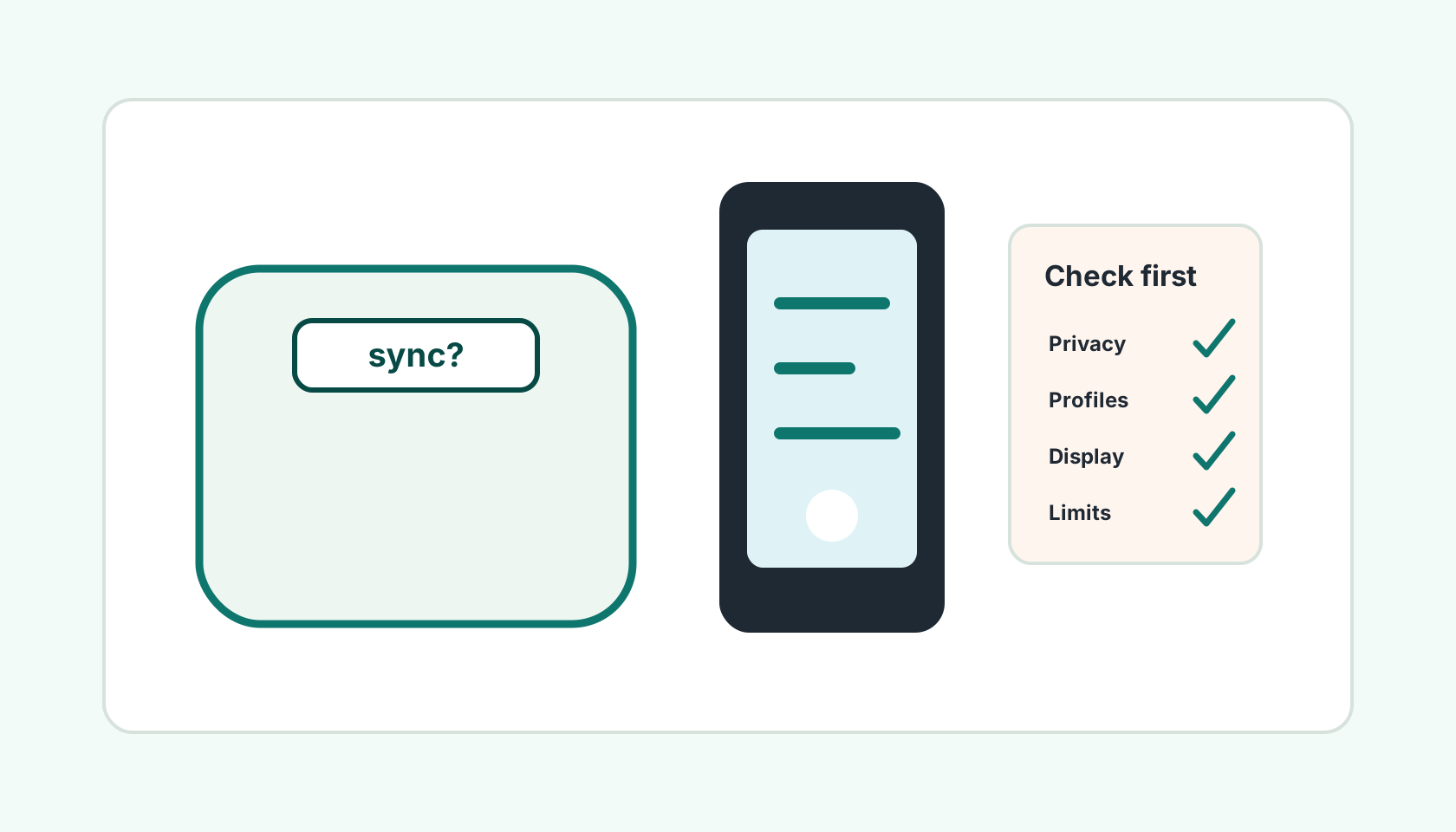
Weight data can feel personal. Before choosing a smart scale, review the app listing, privacy policy, and account requirements. Look for clear answers to basic questions: Does it require an account? Can you delete your data? Can it sync to other health apps only when you choose? Are multiple household users kept separate?
If the company is vague about data sharing, advertising use, or deletion controls, that is a real downside. A cheaper device is not much of a bargain if the privacy tradeoff is unclear.
3. Prefer clear display and boring reliability
A scale should be easy to read, stable underfoot, and consistent when used the same way. Features worth comparing include display size, maximum supported weight, platform width, battery type, unit settings, and whether the scale works without opening the app every time.
Also check whether the scale stores readings when your phone is not nearby. That can matter if you want the device to fit into a normal morning routine instead of turning every weigh-in into an app session.
4. Be skeptical of body-composition claims
Many smart scales advertise measurements such as body fat percentage, muscle mass, bone mass, water percentage, and metabolic age. These can sound authoritative, but they are estimates produced by formulas, not a direct scan of your body.
That does not make the feature useless for everyone. Some people like seeing directional patterns. But if a product page treats these estimates as precise, clinical, or guaranteed, that is a red flag. For medical concerns, eating disorder history, pregnancy, heart conditions, implanted medical devices, or medication-related weight changes, a qualified healthcare professional is the right next step.
5. Avoid shame-driven dashboards
A good tracking tool should make information easier to understand, not make you feel punished. Screenshots and reviews can tell you a lot about the app’s tone. Watch for badges, warnings, rankings, or color coding that frame normal fluctuation as failure.
Weight can move up and down for many reasons, including hydration, sodium intake, menstrual cycle changes, travel, constipation, sleep, and strength training. A useful app should help you view trends calmly, not push you toward extreme restriction.
6. Check household and accessibility needs
If more than one person will use the scale, compare user profiles, guest modes, and whether the app can recognize different users without mixing their data. If someone in the home does not want app tracking, make sure the scale can still show a basic weight reading on the display.
For accessibility, consider display contrast, number size, platform stability, step-on height, and whether setup requires small QR codes or complicated pairing steps. A scale that is annoying to use will end up ignored.
7. Read negative reviews for pattern clues
Do not treat customer reviews as verified facts, but do use them to look for patterns. Repeated complaints about Bluetooth failure, app login problems, inconsistent readings, cracked glass, battery drain, or poor customer support are worth noticing.
Be especially cautious if many reviews mention forced subscriptions, surprise app changes, or features disappearing behind a paywall. A smart scale is partly hardware and partly software; the software experience matters.
8. Watch for weight-loss product bundling
Some tracking devices are marketed alongside supplements, diet plans, detox products, appetite-control products, or aggressive challenges. That should make you slow down. A scale does not need to sell you a quick-fix plan to be useful.
Red flags include promises of rapid weight loss, language that suggests a device can melt fat, pressure to buy stacks or bundles, or claims that a product works without changes to habits. Those claims deserve extra skepticism.
9. Decide what “good enough” looks like
For many people, the best scale is not the one with the longest metric list. It is the one that gives consistent basic readings, has a readable display, respects privacy, and fits the household routine.
Before buying, write down your actual use case. If you only want weight trends, you may not need a complex smart scale. If you want app syncing, prioritize privacy controls and reliable connectivity. If body-composition estimates will make you anxious or obsessive, a simpler scale may be the better choice.
Bottom line
A smart scale can be a practical tracking tool, but it should not become the judge of your health or your worth. Treat advanced metrics as estimates, avoid products that lean on exaggerated weight-loss promises, and choose the device that supports calm, consistent habits.
If weight changes are sudden, unexplained, medically concerning, or connected to medication, pregnancy, disordered eating, or a health condition, talk with a qualified healthcare professional instead of relying on a consumer device or app.