Worth-it decision guide
Is a Habit Tracker Worth It for Weight-Loss Routines?
A habit tracker can be worth it when it helps you remember one or two practical actions and makes patterns easier to notice. It is not worth it when streaks, food logs, weight prompts, or notifications turn ordinary routines into a daily grade. The useful decision is whether tracking removes friction—not whether a tracker promises a body result.
As an Amazon Associate, GoodWeighFinds earns from qualifying purchases.
Quick verdict
- Buy when a visible check mark or calm reminder solves a specific routine problem and the tracker can adapt when plans change.
- Delay when you do not yet know what the tracker should help you remember. Test the routine on plain paper or a calendar for two weeks first.
- Choose a cheaper alternative when a phone reminder, sticky note, wall calendar, or existing notebook does the same job.
- Skip when missed days, streaks, food logging, weigh-ins, or calorie prompts increase guilt, rigidity, anxiety, or compulsive checking.
- Escalate when tracking affects eating, exercise, medication decisions, or physical or mental health. A qualified healthcare professional can help with an individualized next step.
When a tracker earns its place
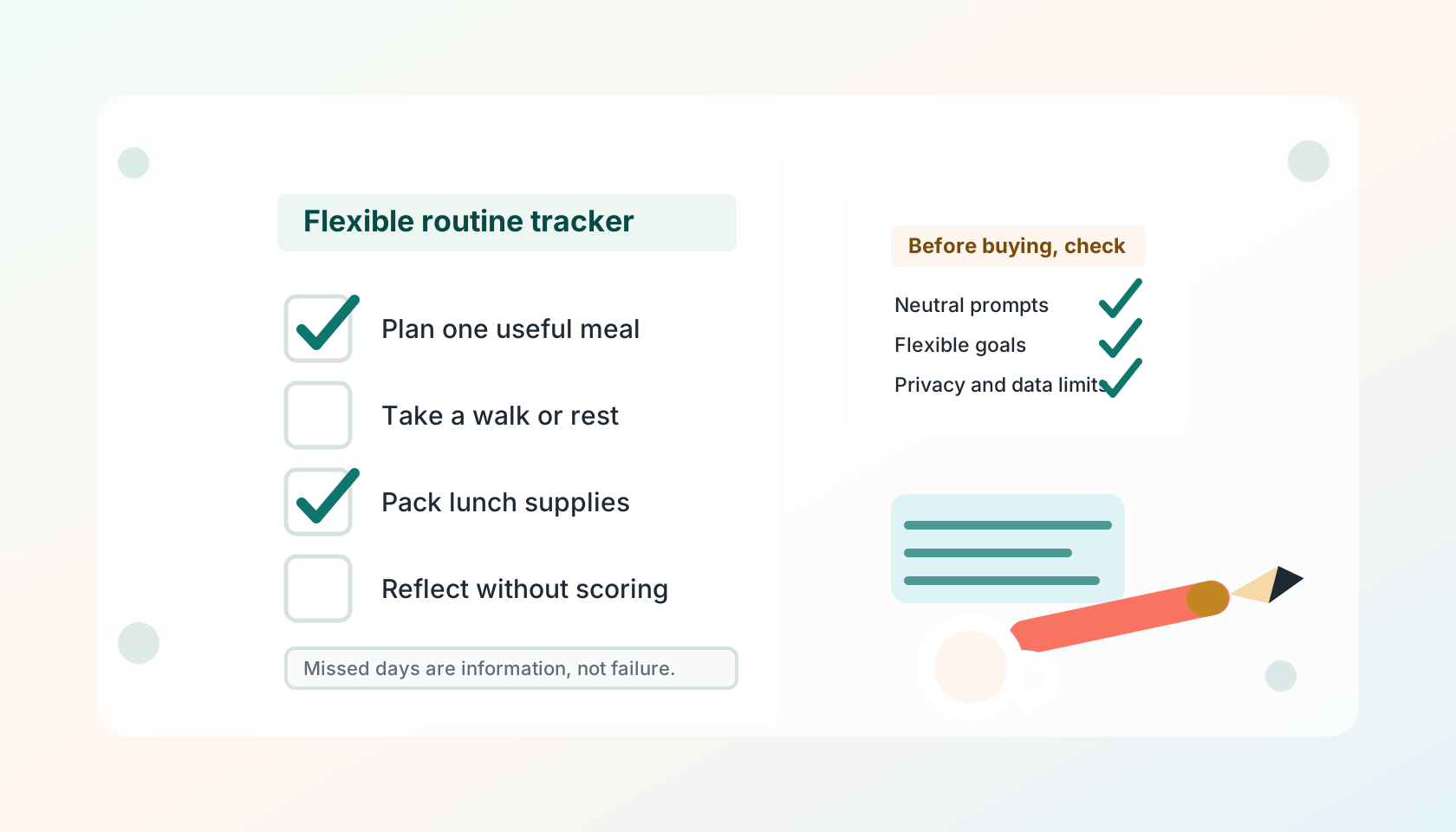
A tracker earns its cost and attention when it makes a useful action easier to remember: packing lunch supplies, putting walking shoes by the door, planning groceries, refilling a bottle, or preparing tomorrow's schedule. The mark on the page is a cue and a record, not proof that the routine caused weight loss.
Tracking can also reveal friction. Blank spaces may show that the reminder appears at the wrong time, the task is too large, or the tool is inconvenient. A flexible tracker lets you change the plan without calling that adjustment a failure. For the broader framework, use the non-shaming habit-tracking pillar.
Cost, setup, and maintenance tradeoffs
A paper tracker has a clear purchase price, but it also needs a visible yet private place, a pen, and a layout you can restart without wasting many pages. Dated planners may create pressure after a gap. Undated pages are easier to pause, though a plain notebook can offer the same flexibility for less.
An app may be free to start but require an account, notifications, software updates, data permissions, or a subscription for history and customization. Setup includes choosing prompts, turning off unwanted badges, reviewing privacy controls, and deciding how to export or delete data. A reusable board costs more than paper upfront and needs space, cleaning, and privacy in a shared room.
Seven criteria that decide whether it is worth it
- One clear job: Name the action or decision the tracker should support before choosing a format.
- Neutral language: Prefer notice, plan, rest, adjust, and repeat. Avoid punishment, “no excuses,” and body-transformation language.
- Restart flexibility: Check whether blank days, illness, travel, changing priorities, and rest can appear without breaking the system.
- Privacy: For paper, consider where it will sit. For apps, inspect account requirements, data collection, sharing, deletion, and export controls.
- Pressure controls: Confirm that streaks, leaderboards, public sharing, calorie estimates, weight prompts, and aggressive reminders can be disabled.
- Total cost: Include subscriptions, replacement pages, markers, printing, and the time needed to maintain the system.
- Exit: Choose a tool you can stop using without losing important information, paying a cancellation penalty, or feeling trapped by a streak.
Red flags that make the answer “skip”
Skip trackers that promise rapid weight loss, guaranteed consistency, appetite control, fat burning, detox results, hormone changes, or medical improvement. A tracker records what someone enters or checks off; it does not establish that the recorded action caused a body or health result. Before-and-after photos, influencer streaks, and customer anecdotes do not prove that the product works.
Also pause when a “free” app hides useful features behind a trial, makes cancellation unclear, collects more personal data than its basic function needs, or refuses deletion and export. Avoid products bundled with supplements, stimulants, detox products, patches, appetite suppression, or GLP-1 alternative claims. Use the habit-tracker claim check to inspect marketing more closely.
Who should skip habit tracking
Skip or stop if tracking increases guilt, obsessive checking, restrictive eating, compensatory exercise, anxiety, conflict, or the feeling that rest must be earned. A calendar does not know why a day changed, and an empty box is not a verdict. No formal tracking is a complete option.
If food, weight, movement, or body measurements are distressing or compulsive—or tracking is being used to make decisions about symptoms, medication, pregnancy, an eating concern, or exercise limits—bring the decision to an appropriate qualified professional instead of buying another tracker.
Try the routine before buying
Draw fourteen boxes on plain paper and choose one neutral action that matters to your routine. Mark the box only when noticing it gives you useful information. At the end, ask whether the record helped you plan, whether it changed an action, and how missed days felt. Do not turn the trial into a target or score.
If the paper test helps but is easy to lose, a bound tracker, reusable calendar, or private app may reduce friction. If the test adds no useful information, keep the money. If you want reflection rather than check marks, compare a journal with a habit tracker.
Bottom line
A habit tracker is worth it when it performs one practical job, stays flexible, protects your privacy, and treats missed days neutrally. Delay until a free test shows that tracking helps. Choose an existing reminder when it is enough, and skip the product when numbers or streaks make the routine less supportive.