Worth-it decision guide
Is a Weight-Loss Journal Worth It?
A weight-loss journal can be worth it when its pages make calm reflection easier and you already know what you want to notice. It is not worth paying extra for a weight-loss label, rigid targets, or guilt-heavy prompts. A plain notebook—or no tracking at all—may be the better tool.
As an Amazon Associate, GoodWeighFinds earns from qualifying purchases.
Quick verdict
- Buy when you prefer guided reflection, have seen the actual prompts, and the layout saves you enough setup time to justify the price.
- Delay when you are unsure what you want to record or an advertisement is creating urgency. Test the routine on plain paper first.
- Choose an alternative when a notebook, calendar, notes app, or simple habit tracker gives you the structure you need for less money.
- Skip when food, weight, streak, or body-measurement tracking increases shame, anxiety, rigid rules, or compulsive checking.
- Escalate when you need individualized help with nutrition, unexplained weight change, eating concerns, symptoms, or medication effects; a journal is not a substitute for qualified care.
When a guided journal earns its price
The strongest reason to buy is convenience. Useful prompts can help you record context—such as sleep, schedule, grocery planning, movement, energy, or questions for an appointment—without designing a system from scratch. An undated layout can also make restarting easier after travel, illness, or a busy week.
The journal should still be useful if it produces no particular change on the scale. Writing can organize observations and plans; it does not establish that the journal caused a health or body result. For a broader framework, use the non-shaming habit-tracking pillar.
When to delay and test a plain notebook
Before buying a guided format, try seven to fourteen days with one short daily question: “What made this routine easier or harder today?” Add only the details that help you make the next practical decision. If you avoid the page, dislike writing, or never use the notes, a more elaborate journal is unlikely to fix the friction.
Delay when the publisher does not show representative inside pages. A cover cannot tell you whether the journal contains rigid meal rules, aggressive countdowns, mandatory weigh-ins, or restart language that turns a missed day into failure.
Cost, setup, and maintenance tradeoffs
A guided journal usually costs more than a basic notebook and may lock you into the publisher's categories. Dated pages can waste space when you pause. Thick workbooks are less portable, spiral bindings can catch in bags, and specialty formats may be difficult to replace consistently. Apps may introduce subscriptions, notifications, account setup, and data-retention questions.
The maintenance cost is attention. Long daily forms, too many numbers, or decorative systems that require extra supplies can turn a small reflection habit into homework. Compare the full number of usable weeks, not merely the cover price, and choose the least complicated format that answers your actual question.
Six checks before buying
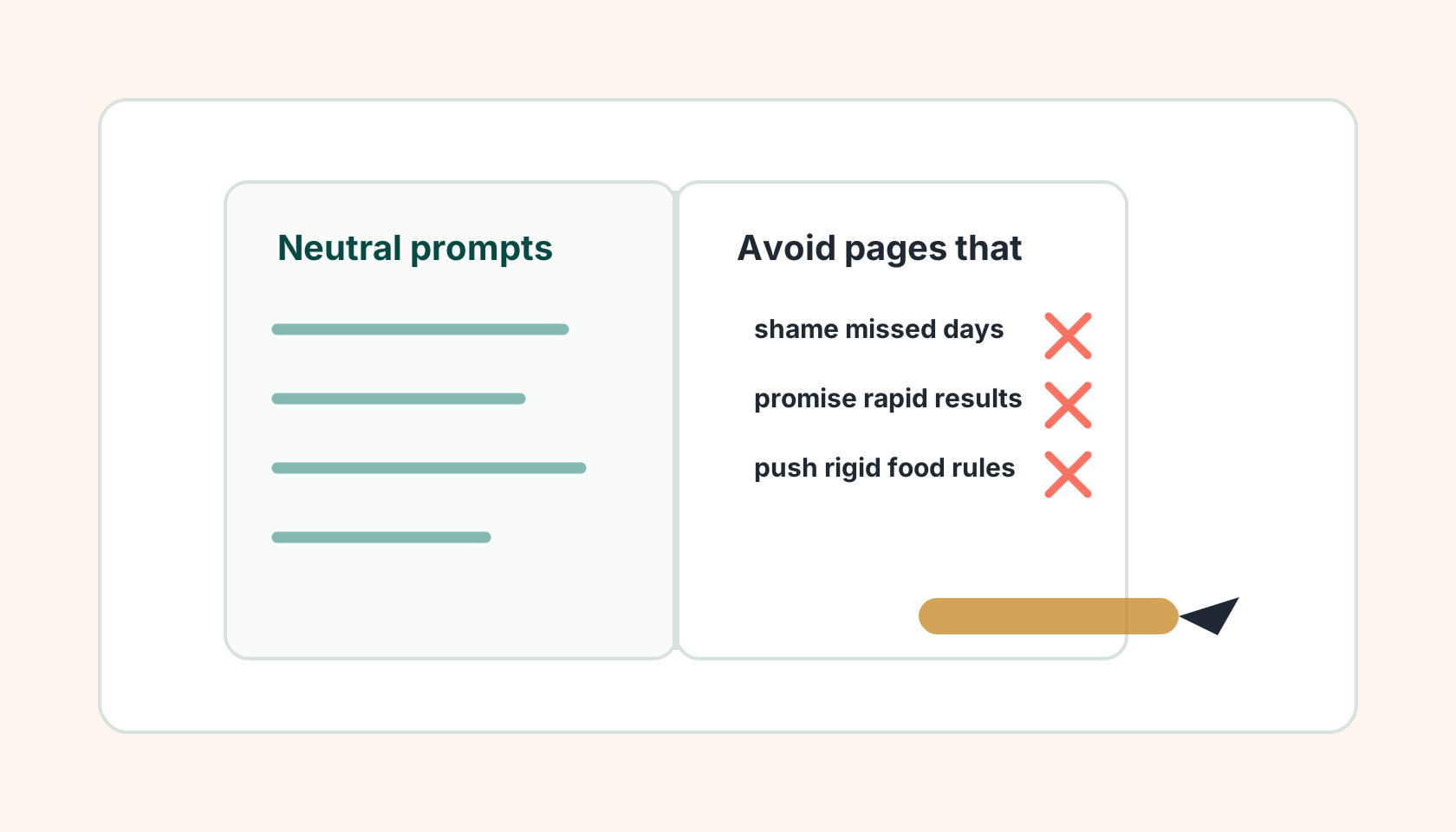
- Prompt tone: Look for neutral questions about context and adjustments, not moral labels for food, missed routines, or body size.
- Visible sample pages: Confirm what is required each day and whether weight, calories, measurements, or photos dominate the layout.
- Restart flexibility: Undated pages and nonconsecutive use can reduce wasted pages and streak pressure.
- Privacy: Consider the cover, storage location, amount of personal detail, and—if it is an app—permissions, deletion controls, and sharing defaults.
- Physical fit: Check page size, writing space, binding, portability, readability, and whether the journal lies flat enough for you.
- Total commitment: Compare usable duration, recurring app fees, refill needs, and the effort required for each entry.
Red flags that make the answer “skip”
Skip journals that promise rapid transformation, guaranteed weight loss, fat burning, detox results, appetite suppression, or a fixed pounds-lost timeline. Also skip formats that treat meals as moral successes or failures, prescribe extreme restriction, encourage dehydration or compensatory exercise, or bundle supplement and stimulant pitches into the tracking system.
Before-and-after pages, punishment language, mandatory daily weigh-ins, public challenge features, and countdowns to a body target are reasons to slow down. For more examples of how marketing can turn a routine tool into a risky promise, see the weight-loss marketing red-flags guide.
Who should skip a weight-loss journal
Skip it if recording food, weight, calories, exercise, or measurements becomes distressing, compulsive, or punitive. Skip it if another person can access sensitive notes and you do not have a workable privacy plan. You do not need to replace it immediately; choosing not to track is a valid option.
If journaling brings up eating-disorder concerns, bingeing, purging, severe restriction, or pressure to compensate for eating, stop using the tool and seek support from a qualified healthcare professional. Professional guidance is also the better next step for unexplained weight changes, persistent symptoms, or questions involving medications and individualized nutrition.
Alternatives that may fit better
A plain notebook offers maximum flexibility and usually costs less. A calendar or visual habit tracker is faster when you only need a reminder. A notes app may suit private, searchable observations if its privacy settings meet your needs. And if you want quick marks rather than reflection, compare the formats in the journal-versus-habit-tracker guide.
Bottom line
A weight-loss journal is worth buying only when its visible prompts, format, privacy, and restart design make calm reflection easier than a plain notebook. Delay until you have tested the habit, choose a cheaper tool when guidance adds little, and skip tracking when it creates shame or rigidity. The journal can hold observations; it cannot promise a body result or replace individualized care.