GoodWeighFinds is for general information only and is not medical advice. Readers should talk with a qualified healthcare professional before starting weight-loss products, supplements, diets, or exercise changes.
Safer Next-Step Framework
Weight-Loss Product Safer Next Steps
A weight-loss product page can make the next step feel urgent: buy now, start today, do not miss the offer. This guide slows that moment down so you can decide whether to skip the product, choose a practical routine-support tool, or bring the claim to a qualified healthcare professional.
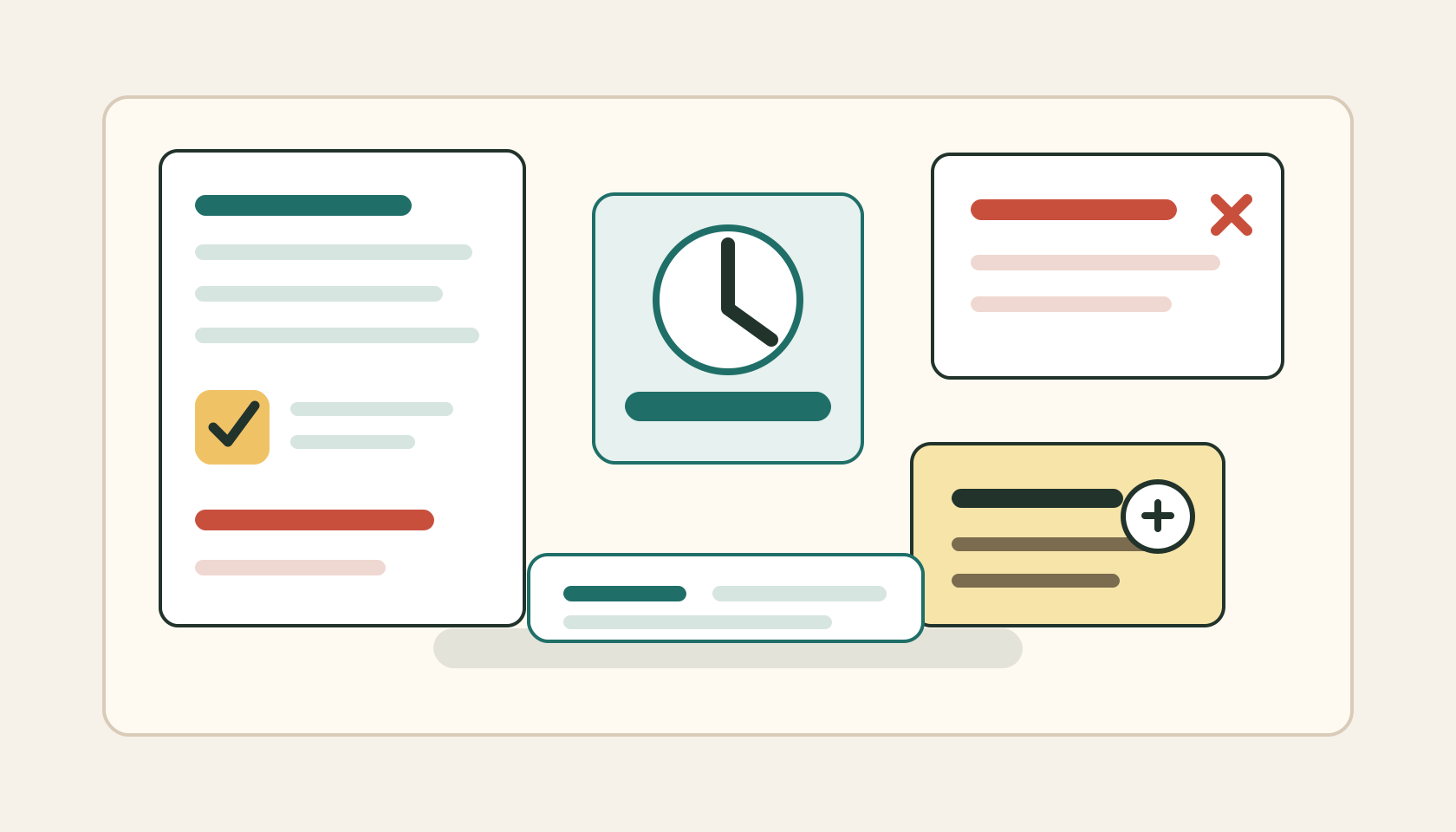
This pillar sits beside the weight-loss product claim checks, the Amazon product red flags, and the routine-support tools guide. Use those guides for deeper checks; use this one when you need a plain next move.
Start with a pause test
Before comparing prices or reviews, ask what the product is really asking you to believe. A safer listing should make a practical job clear: carry water, organize meals, make walking more comfortable, track a habit, or reduce planning friction.
Pause when the page jumps from a practical feature to a body-result promise. Claims about rapid fat loss, detoxing, appetite control, metabolism resets, hormone balancing, or medical outcomes deserve extra caution. Customer stories, influencer posts, and before-and-after images are not the same as reliable evidence.
When to skip the product
Skipping is often the safest next step when the product relies on urgency, shame, vague science, or health claims that are not clearly supported. This is especially true when the page does not explain ingredients, limits, refund terms, recurring billing, or who should avoid the product.
- Skip listings that promise guaranteed or rapid weight-loss results.
- Skip products that frame normal eating, rest, body size, or missed days as moral failure.
- Skip vague "doctor recommended" or "clinically proven" wording when the page does not show what was studied.
- Skip free trials or bundles when recurring charges, cancellation steps, or return terms are hard to find.
- Skip products that pressure you to ignore symptoms, medication guidance, fluid limits, or professional care.
When a routine-support tool may be enough
Some shopping problems are practical, not medical. A food storage label, lunch bag, simple step counter, notebook, water bottle, walking socks, or kitchen scale can support a routine because it reduces friction. It still should not promise fat loss.
A lower-risk routine tool is usually easier to evaluate: it has visible features, ordinary materials, clear cleaning needs, realistic size limits, and a job that would still be useful without weight-loss results. If that is the category you are in, compare fit and usability before reading body-change language.
When to ask a qualified healthcare professional
Professional guidance matters when a product moves from routine support into health territory. That includes supplements, medications, patches, stimulant claims, appetite-suppression promises, GLP-1 alternative wording, detox products, hidden-ingredient concerns, or any product tied to symptoms or medical conditions.
Also ask for professional guidance before major diet, exercise, supplement, or medication changes, especially if you are pregnant, have a medical condition, have a history of disordered eating, take prescription medications, have unexplained weight changes, or feel pressured into a restrictive plan.
Questions to bring before buying
If you decide a claim is worth discussing, bring specific questions instead of the entire sales page. Useful questions focus on fit, risk, interactions, and whether the product is even relevant to your situation.
- Is this claim meaningful for my situation, or is it marketing language?
- Could this product interact with medications, conditions, pregnancy, or a current care plan?
- Are there safer routine changes or practical tools that solve the same problem without health claims?
- What signs would mean I should stop and seek care?
- Is there evidence for this specific product, or only general claims about a category?
Use a simple decision path
If the product is a practical tool with ordinary features, compare fit, cost, cleaning, privacy, return policy, and whether it reduces friction in a routine you already want. If the product makes body-result, medical, supplement, stimulant, appetite, detox, or hidden-ingredient claims, treat it as a higher-risk claim check.
When the claim cannot be checked, the next step is not to buy faster. The next step is to slow down, look for safer alternatives, or ask someone qualified to evaluate the health part.
Bottom line
A safer next step does not need to be dramatic. Sometimes it is skipping a product. Sometimes it is choosing a boring tool that solves a practical problem. Sometimes it is asking a qualified healthcare professional because the product has moved beyond shopping advice.
GoodWeighFinds is built for that pause: question the promise, separate routine support from health claims, and do not let urgency make the decision for you.