As an Amazon Associate, GoodWeighFinds earns from qualifying purchases.
Comparison guide
Meal-prep container searches
Compare container material, lid design, labeling, storage footprint, cleaning, commute fit, and whether the listing avoids body-result promises.
X vs Y comparison
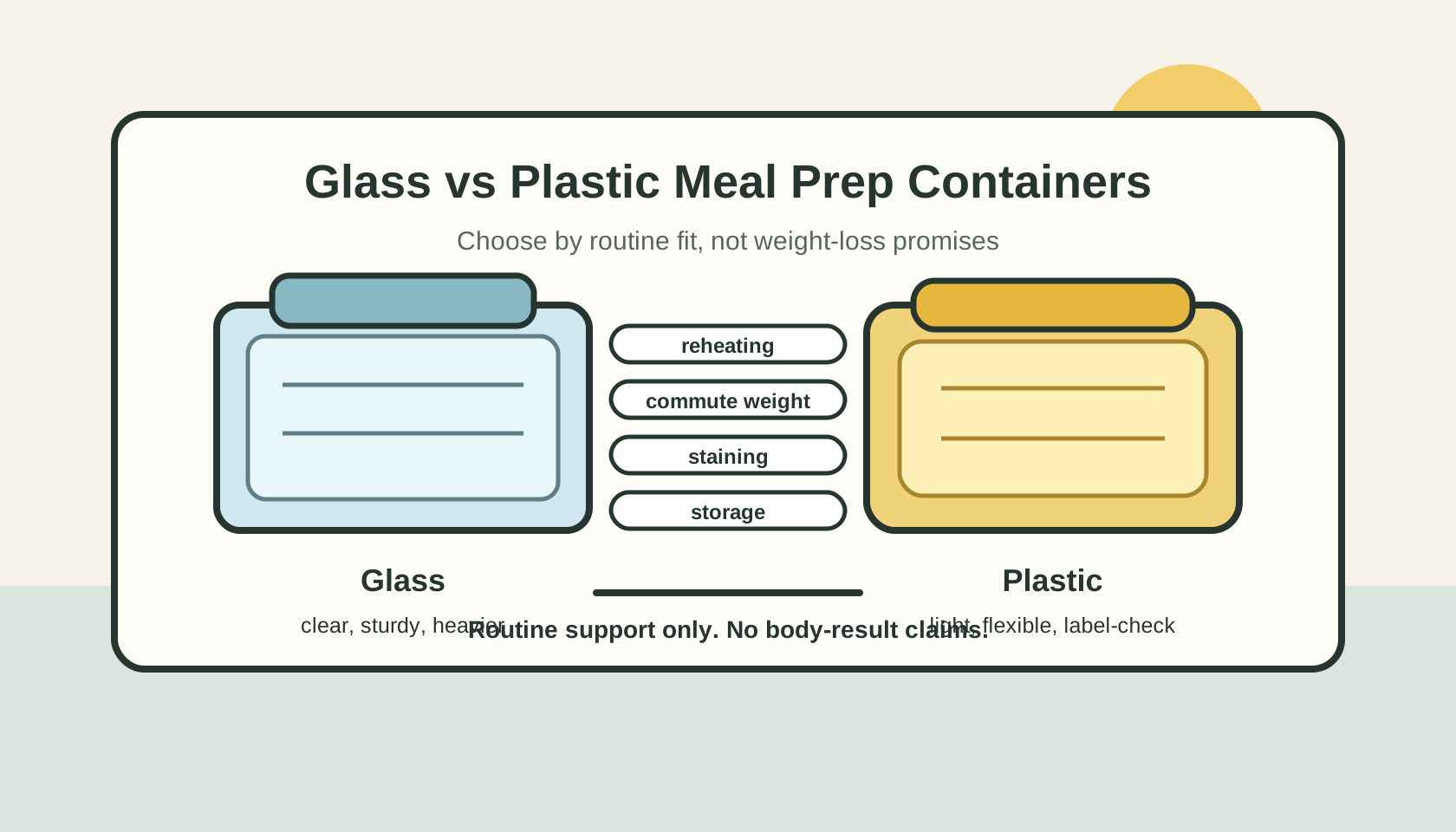
Glass vs Plastic Meal Prep Containers for Weight-Loss Routines
Glass and plastic meal prep containers can both support a calmer food routine. Neither material causes weight loss, fixes nutrition questions, or makes a meal plan safe for every body. The useful decision is more practical: what will you actually store, carry, reheat, clean, and reuse without turning food prep into a rigid project?
Quick decision frame
If you need a broader shopping checklist, start with the meal-prep container buying guide. If you are comparing tools across categories, the routine-support tools guide explains how GoodWeighFinds separates practical helpers from fat-loss promises.
- Choose glass when home reheating, stain resistance, fridge visibility, and a sturdier base matter more than bag weight or breakage risk.
- Choose plastic when commute weight, lower upfront cost, stackability, and less breakage worry matter more than staining or long-term wear.
- Choose neither right now if you already have containers that work, if the purchase is driven by shame, or if pre-packing food makes eating feel stressful or punitive.
What glass containers do well
Glass meal prep containers usually fit home-centered routines best. They are useful when leftovers go from refrigerator to microwave, when tomato-based sauces or spices tend to stain plastic, and when seeing the contents helps you use prepared food before it is forgotten.
The tradeoff is weight and breakability. A glass set can feel solid in the kitchen and annoying in a backpack. It may also be a poor fit for crowded workplace fridges, long walking commutes, kids' bags, or any situation where a dropped container would create a mess or safety concern.
What plastic containers do well
Plastic meal prep containers are usually lighter, cheaper, and easier to carry in multiples. That can matter for long shifts, shared transportation, school or work lunches, or anyone who needs several containers without adding a lot of bag weight.
The tradeoff is wear. Plastic can stain, hold odors, warp, crack, or get cloudy over time. Some listings make broad microwave, freezer, or dishwasher claims, but the useful details are often in the manufacturer instructions: base only, top rack only, lid off, vent open, or freezer-safe within limits.
Who each option fits
Glass may fit adults who mostly prep for home meals, reheat leftovers often, want clear fridge visibility, prefer a heavier container, and are willing to handle careful storage. It can also fit batch-cooking routines where the container stays at home instead of traveling every day.
Plastic may fit adults who commute, pack multiple containers, need a lower-cost starter set, have limited storage space, or want something less fragile for shared kitchens. A plain plastic container can be a practical routine helper when the listing is honest about capacity and use limits.
Both can be a poor fit when the container system is attached to rigid food rules, tiny portions, or a program that treats normal hunger as a problem. If meal planning connects to anxiety, guilt, restriction, binge-restrict cycles, medical nutrition questions, or a history of disordered eating, a qualified professional is a better next step than another container set.
Tradeoffs to compare before buying
- Reheating: Glass often suits home reheating, but check lid instructions. Plastic requires closer attention to microwave labeling and wear.
- Commute fit: Plastic usually wins for lighter bags. Glass may be better when containers stay at home or travel only short distances.
- Staining and odors: Glass is usually easier to clean after sauces and spices. Plastic may need faster washing and more replacement over time.
- Breakage and replacement: Glass can break. Plastic can crack or warp. Either way, check whether replacement lids are available.
- Storage footprint: Rectangular shapes tend to stack well. Bulky locking lids, mismatched sets, and fixed dividers can create drawer clutter.
- Food fit: Choose capacity for meals you actually eat, not a listing photo that turns small compartments into a weight-loss promise.
Setup and maintenance issues
For glass containers, check whether the base is oven-safe, freezer-safe, microwave-safe, and dishwasher-safe according to the manufacturer. Those labels are not interchangeable. Many lids need separate care, and sudden temperature shifts can be a problem for some glass products.
For plastic containers, check the recycling or material information when available, the manufacturer's heat guidance, dishwasher placement, freezer limits, and whether the lid seal can be removed for cleaning. Replace containers that are cracked, badly warped, or no longer seal well.
For either material, treat "leakproof" as a claim to verify. Look for gasket design, locking tabs, user complaints about sauce or soup leaks, and whether the listing explains upright-only use. A container that handles dry leftovers may not be right for soup, yogurt, dressing, or saucy meals in a bag.
Weight-loss claim checks
A container can make planned food easier to see, store, carry, and reheat. It cannot guarantee weight loss, diagnose the right portion size, replace medical nutrition guidance, or make a restrictive plan safe. Product pages that imply otherwise are using the container as a symbol, not evidence.
Slow down around listings that use phrases like "guaranteed weight loss," "no willpower needed," "perfect portions for everyone," or "transformation meal prep." Also pause if the container is bundled with supplements, detox products, appetite suppressants, stimulant products, patches, or GLP-1 alternative claims. Those are escalation categories for GoodWeighFinds, not ordinary container recommendations.
Skip criteria
Skip glass if you need lightweight commuting gear, have a high breakage risk, or know you will avoid using heavy containers. Skip plastic if staining, heat exposure concerns, odor retention, or frequent replacement would bother you more than the lower price.
Skip both if you are shopping because a product page made you feel ashamed, if you already have enough containers, or if pre-planning meals tends to become rigid, secretive, or punishing. A useful routine-support tool should make ordinary life easier. It should not make eating feel like a test.
Next steps
If this comparison made one material seem clearly better, use the current Amazon listing details to check sizing, care instructions, returns, and lid replacement before buying. If you are still deciding what container category fits, read the meal-prep container guide or the freezer container guide. If the issue is broader than containers, the safer next-steps framework can help separate practical tools from products that deserve more caution.
Bottom line
Choose glass meal prep containers for home reheating, visibility, and easier cleanup after staining foods. Choose plastic containers for lighter carry, lower cost, and less breakage worry. Choose neither if the purchase would add pressure instead of reducing friction. The container is just storage; the safer goal is a routine that feels usable, flexible, and honest about its limits.