As an Amazon Associate, GoodWeighFinds earns from qualifying purchases.
Worth-it decision guide
Is a Walking Pad Worth It for Weight-Loss Habits?
A walking pad can be worth it when indoor access is the main thing stopping a walking routine and the machine fits your room, balance, budget, and tolerance for setup. It is not worth buying as a promise of weight loss. Decide whether it removes a real barrier before giving it floor space and money.
Quick verdict
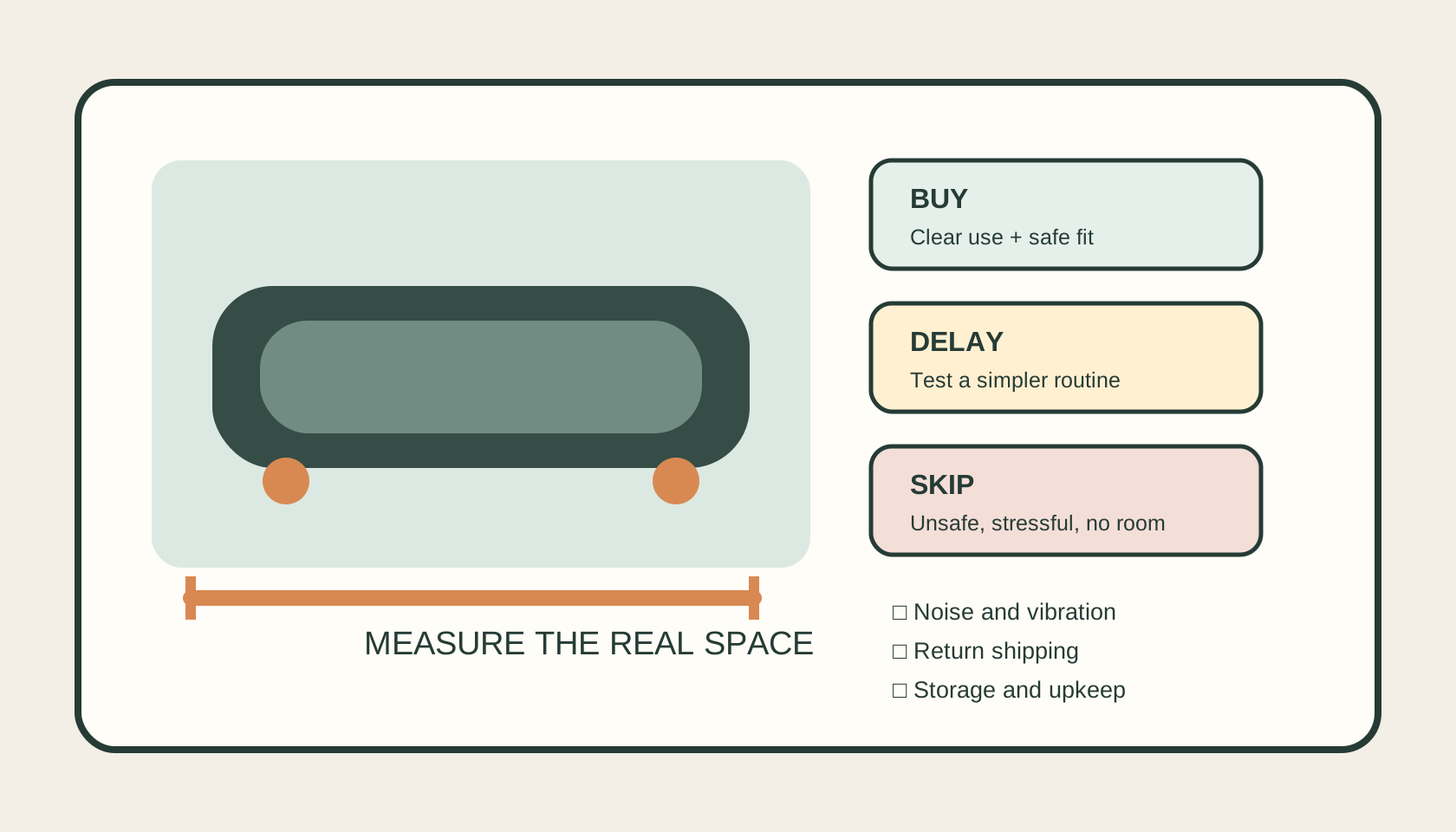
- Buy when indoor walking solves a specific access problem, you have a permanent use and storage plan, and the safety features fit you.
- Delay when you have not tested whether you enjoy indoor walking or when moving furniture is still part of every session.
- Choose an alternative when free indoor routes, outdoor loops, standing breaks, comfortable walking shoes, or a basic step counter solve the same problem.
- Skip when balance, symptoms, noise rules, space, return risk, or tracking pressure make the machine a poor fit.
- Escalate to a qualified healthcare professional when symptoms, mobility limits, recent injury, pregnancy-related concerns, or a health condition affect exercise tolerance.
When a walking pad is worth buying
The strongest case is practical: weather, caregiving, safety concerns, work location, or limited nearby routes make leaving home difficult, while a short indoor walk fits naturally into the day. The pad should still seem useful if it produces no particular body change.
It also helps when the setup can stay simple. A clear floor area, reachable outlet, stable surface, convenient storage spot, and controls you understand all make repeated use more plausible. If you need detailed feature checks after deciding yes, use the walking pad buying guide.
When to delay and run a cheaper test
Delay if the purchase is mainly a response to an ad, a dramatic calorie estimate, or a burst of motivation. Try a two-week routine using a hallway, local indoor space, outdoor loop, or brief standing and walking breaks. The experiment cannot predict everything, but it can show whether indoor walking fits your schedule before you buy a large machine.
Also delay until you measure the full operating area—not only the machine footprint. Include room to step on and off safely, reach the controls, route the cord, and move the pad into storage. Mark the dimensions on the floor with removable tape if the fit is tight.
Cost, setup, and maintenance tradeoffs
The purchase price is only one cost. A protective mat may be appropriate for the floor, electricity use is ongoing, and a heavy unit may require help to move. If the machine arrives damaged or feels unstable, return shipping for a bulky product can be expensive or difficult. Read the seller's return window, restocking terms, packaging requirements, warranty limits, and who pays freight before ordering.
Walking pads also need upkeep. Manufacturer instructions may call for belt alignment, lubrication, cleaning, and inspection. Belts and motors can make more noise as they wear. A model that is awkward to clean or move can add enough friction that it stops being useful.
Six fit checks before spending money
- Walking deck: Check belt length and width against your natural stride, not just the compact-looking frame.
- Controls: Confirm how the machine starts, changes speed, and stops; consider whether a remote-only design is easy for you to manage.
- Stability support: A handrail may matter more than under-desk styling for some users, but product photos are not a personal safety assessment.
- User weight limit: Treat the stated limit as a required fit check, not evidence that the machine is durable or safe for everyone.
- Noise and vibration: “Quiet” is a marketing description unless a listing provides a test method. Floors, footwear, pace, and neighboring rooms change the result.
- Storage reality: Check machine weight, wheels, folded or stored dimensions, and whether you can move it without strain.
Red flags that make the answer “skip”
Skip listings that promise rapid weight loss, guaranteed fat burning, precise calorie outcomes, effortless transformation, or a particular body result. A walking pad is exercise equipment, not proof of an outcome. Before-and-after imagery and countdown pressure are reasons to slow down, not reasons to buy faster.
Other red flags include missing deck dimensions, unclear stop controls, no stated user weight limit, contradictory warranty language, hidden return freight, vague seller identity, and bundles involving detox products, stimulants, appetite suppressants, patches, or “GLP-1 alternative” claims. For a wider low-hype framework, see the routine-support tools guide.
Who should skip a walking pad
Skip it if you cannot keep a clear operating area, cannot use or store it without unsafe lifting, have neighbors or household members who may be affected by vibration, or would need to violate a lease or workplace rule. Skip it if exercise numbers become punishing or compulsive, or if the machine would be used to compensate for eating.
Do not rely on a product page for individualized exercise guidance. Talk with a qualified healthcare professional before starting if you have chest symptoms, dizziness, balance concerns, joint pain, recent injury, pregnancy-related concerns, or a medical condition that affects exercise tolerance. Seek urgent medical help for severe or sudden symptoms rather than continuing to exercise.
Lower-cost alternatives
A walking pad is not the default starting point. Short outdoor loops, indoor public spaces, walking in place, scheduled movement breaks, or a cleared hallway may offer enough access. If reminders are the main barrier, a basic no-app step counter may be cheaper and easier; see the no-app step counter guide. These alternatives are routine tools too, not guarantees of weight loss.
Bottom line
A walking pad is worth it when it removes a real access barrier and passes the space, safety, noise, storage, maintenance, and return checks. Delay when you have not tested the routine. Choose a cheaper alternative when reminders or access can be solved without a machine. Skip when the product depends on body-result hype—or when your room, budget, balance, symptoms, or stress level make the tradeoff poor.