GoodWeighFinds is for general information only and is not medical advice. Readers should talk with a qualified healthcare professional before starting weight-loss products, supplements, diets, or exercise changes.
Worth-it decision guide
Is a Food Scale Worth It for Portion Awareness?
A food scale can be worth it when you want a clearer, more repeatable way to measure ingredients. It is not worth it if the number turns meals into a source of shame, fear, or rigid rules. The useful question is not whether food scales are good or bad; it is whether this tool solves a practical problem without adding pressure you do not need.
Quick Verdict
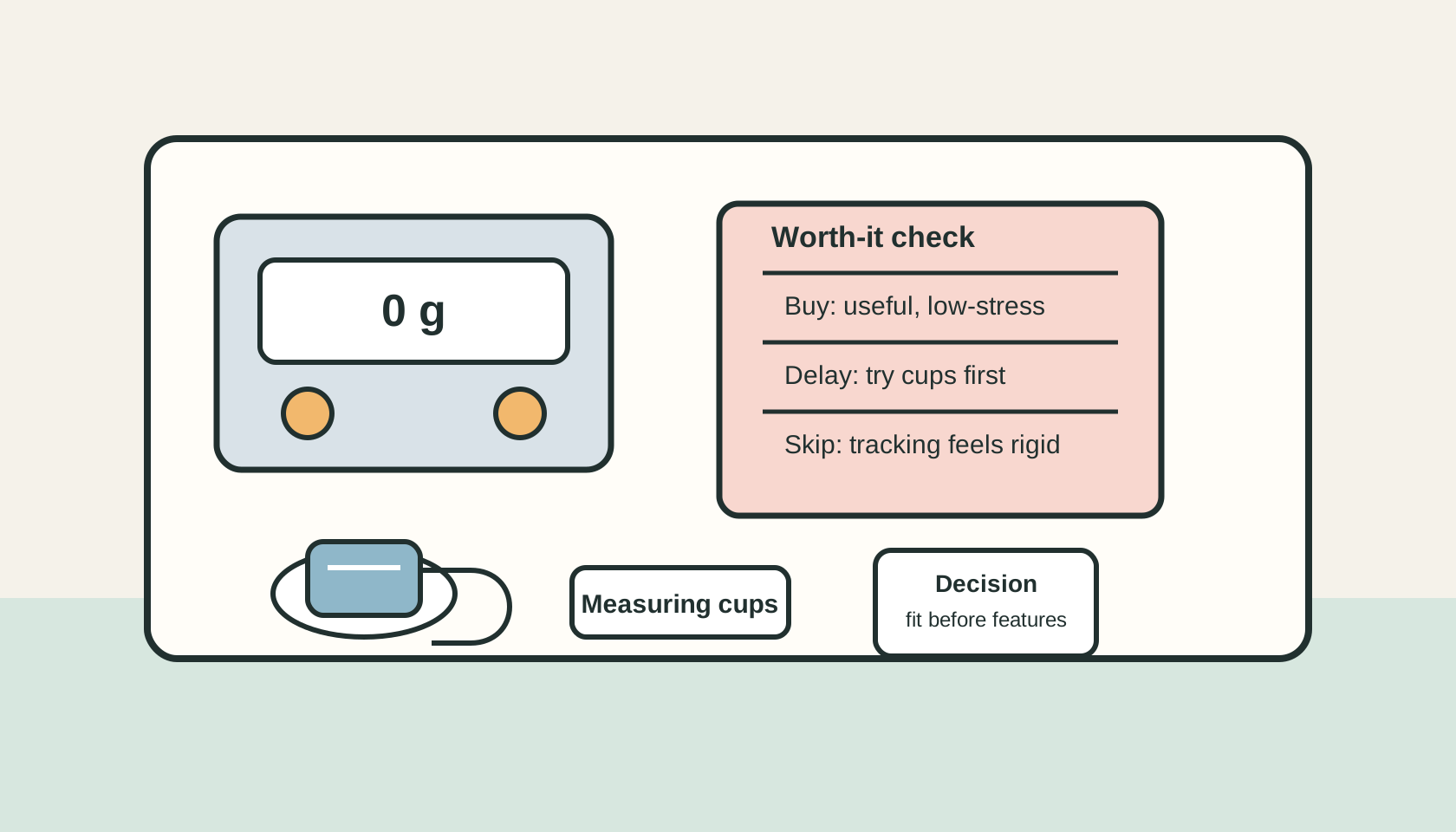
A food scale is most worth considering if you cook from gram-based recipes, batch-cook, divide leftovers, compare package serving sizes, or want one consistent measuring method. It is less compelling if measuring cups already work, if you have limited patience for extra kitchen steps, or if tracking food tends to become stressful.
- Buy if you have a specific measuring problem and a scale would make cooking or meal prep calmer.
- Delay if you are buying because of a weight-loss promise instead of a real kitchen friction point.
- Choose an alternative if measuring cups, visual estimates, recipe notes, or pre-portioned containers would solve the same issue with less pressure.
- Skip if weighing food triggers anxiety, shame, skipped meals, secrecy, or compulsive checking.
When a Food Scale Is Worth Buying
The strongest case for a food scale is ordinary kitchen consistency. It can help you weigh flour for baking, portion cooked rice into several containers, split a recipe evenly, or understand how a label serving size compares with the amount you usually serve. That is practical awareness, not a body-result claim.
It can also be useful when measuring cups feel too vague. Foods like cereal, nuts, pasta, rice, flour, and chopped ingredients can pack differently into a cup. Weighing those foods can reduce guesswork if the extra step feels neutral or helpful.
When to Delay the Purchase
Delay if the main reason you want a scale is an ad, influencer video, or product page implying that weighing food creates weight loss by itself. A food scale measures weight. It does not set a safe nutrition target, diagnose what your body needs, improve appetite cues, or make a plan sustainable.
A delay can also make sense if you have not tried lower-friction tools first. For many adults, a set of measuring cups, a simple meal-prep container routine, or a few repeatable meals solves the practical problem without adding a number to every plate.
When Measuring Cups Are the Better Alternative
Measuring cups and spoons are usually cheaper, familiar, battery-free, and easy to share in a household kitchen. They are a better fit when you want rough cooking support instead of gram-level precision. They also avoid app prompts, nutrition databases, and the formal feeling that can come with weighing food.
If you are choosing between the two, read the food scale versus measuring cups comparison. If you already know you want a scale and need feature details, use the food scale buying guide or the compact food scales guide.
Cost, Setup, and Maintenance Tradeoffs
A basic food scale is usually a modest purchase compared with larger routine-support equipment, but the real cost is friction. You need a stable surface, batteries or charging, a readable display, and enough counter space to use bowls or containers without blocking the controls. If those steps annoy you, the scale may sit unused.
Maintenance is simple but not zero. Most kitchen scales should be wiped clean rather than submerged. Batteries need replacing. Very small platforms can wobble under large containers. Some models time out quickly during cooking, which can make the tool feel more fussy than helpful.
Criteria That Matter More Than Diet Branding
- Tare button: Lets you zero out a bowl or plate before weighing food.
- Readable display: Numbers should stay visible when a normal bowl or container is on the platform.
- Gram and ounce modes: Covers most recipes and package labels without needing an app.
- Stable platform: A scale that tips or slides will be frustrating during meal prep.
- Easy cleaning: Smooth surfaces and fewer crevices matter more than wellness language.
- Claim restraint: Prefer listings that describe measurement features, not fat-loss outcomes.
Red Flags on Product Pages
Slow down around any listing that frames a food scale as a shortcut to rapid weight loss, guaranteed results, body transformation, appetite control, detoxing, or metabolism changes. Those are weight-loss claims, not proof that a kitchen measuring tool will help you.
Also be cautious with app-connected scales that add nutrition databases, coaching language, supplement upsells, or constant tracking prompts. Those features may be useful for some people under appropriate guidance, but they can also add privacy concerns and pressure. For a wider way to evaluate ordinary tools without fat-loss promises, use the routine-support tools guide.
Who Should Skip a Food Scale
Skip the purchase if weighing food has made meals feel unsafe, punishing, or obsessive in the past. Skip it if you are buying because a product page made you feel ashamed. Skip it if the tool would mostly create another rule to follow instead of solving a kitchen problem.
A qualified healthcare professional, registered dietitian, or mental health professional with eating-concern experience is the better next step if you have a history of disordered eating, feel distressed around food or body weight, have medical conditions affected by food intake, take medications that affect appetite or weight, or need personal nutrition targets.
Bottom Line
A food scale is worth it when it supports a clear, low-pressure kitchen task: recipe accuracy, repeatable portions, label comparisons, or batch-cooking consistency. It is not worth it as a promise of weight loss. If measuring helps you feel informed and calm, a simple scale may be enough. If it makes eating feel rigid or stressful, choose a simpler tool or skip the purchase entirely.