Worth-it decision guide
Is a Smart Scale Worth It for Weight Tracking?
A smart scale can be worth it when automatic trend logging removes a real chore and you are comfortable with the app's data practices. It is not automatically better than a regular scale, and more body-composition numbers do not mean more certainty. The right answer may be buy, delay, choose a basic scale, or skip weighing entirely.
As an Amazon Associate, GoodWeighFinds earns from qualifying purchases.
Quick verdict
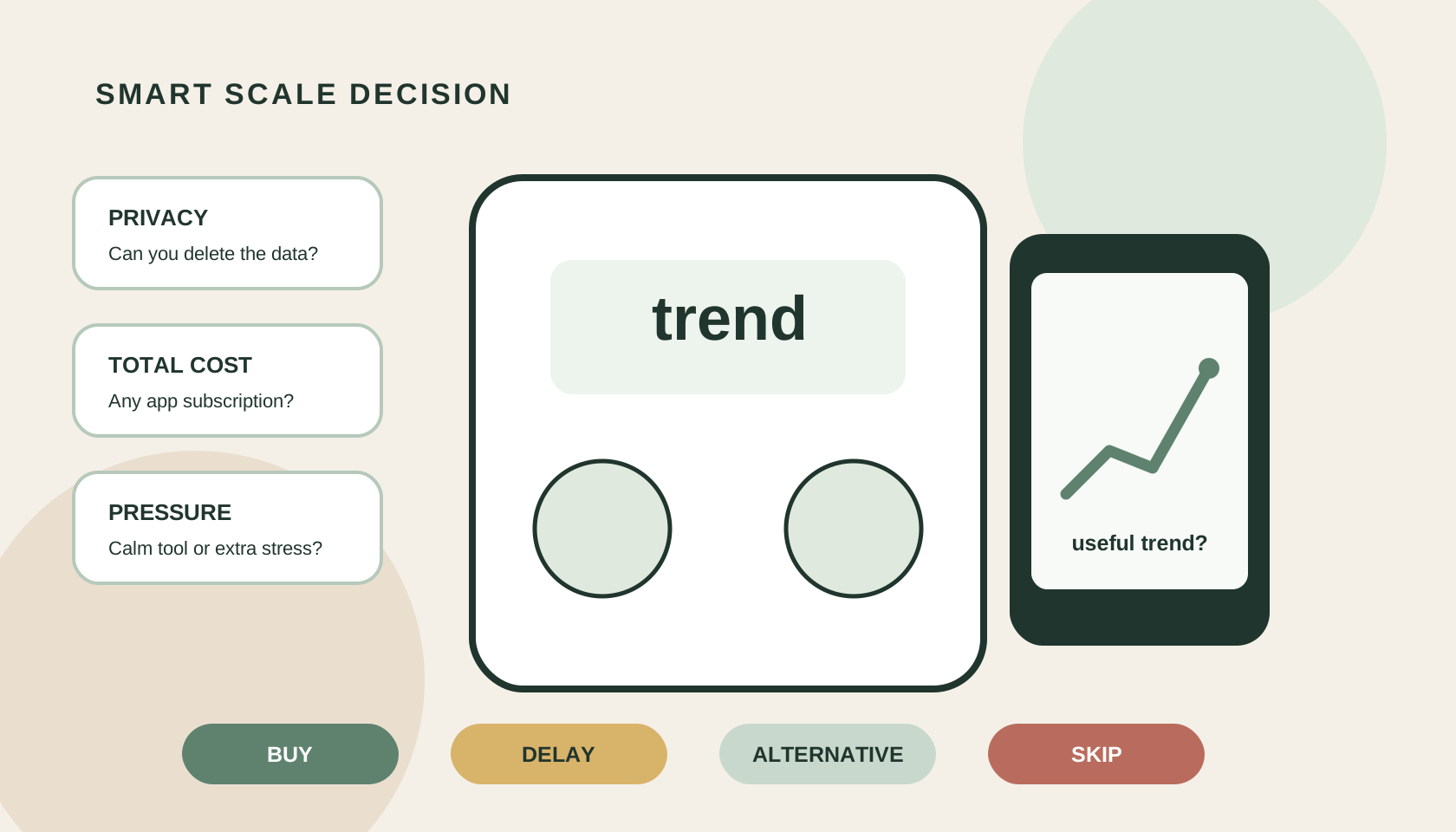
- Buy when automatic logging is the feature you will actually use, the app's privacy terms are acceptable, and seeing trends feels neutral or useful.
- Delay when you have not reviewed the app, data deletion process, subscription details, or whether the scale works without a phone.
- Choose an alternative when a regular scale, occasional manual note, or non-scale habit tracker gives you enough information with less cost and pressure.
- Skip when weigh-ins or extra metrics encourage shame, compulsive checking, rigid eating rules, or anxiety.
- Escalate to a qualified healthcare professional when weight monitoring relates to pregnancy, medication, a health condition, sudden changes, or a history of disordered eating.
When a smart scale earns its place
The strongest reason to buy is convenience. If you already want to track weight and manually recording readings is the part that breaks the routine, automatic syncing can solve a specific problem. Multi-user profiles may also help a household keep records separate, provided everyone understands what the app stores.
Trend display can be useful because body weight naturally moves from day to day. But a graph is only useful when it helps you step back from single readings. A smart scale does not cause weight loss, diagnose a condition, or prove that a routine is working.
When a regular scale—or no scale—is better
Choose a regular scale when you want a straightforward reading without creating an account, pairing a phone, troubleshooting Bluetooth, or sharing health-adjacent data with another company. A paper note or private spreadsheet can show an occasional trend without an always-connected device.
No scale is also a valid choice. If weighing makes ordinary fluctuations feel like failure, or if you would rather track sleep, walking consistency, meal-planning follow-through, comfort, or another routine, more data may not improve the decision. The non-shaming habit-tracking pillar covers calmer ways to decide whether any tracking belongs in your routine.
Cost, setup, and maintenance tradeoffs
The shelf price is not the whole cost. Check whether useful app features require a subscription, whether batteries are included and replaceable, and whether the device becomes limited if the app or company disappears. Read the warranty and return policy before connecting an account or discarding packaging.
Setup may involve an account, permissions, Bluetooth, Wi-Fi, firmware updates, and household profiles. Ongoing work can include battery changes, app updates, re-pairing, cleaning the platform, and reviewing privacy settings. If that sounds like more upkeep than the trend graph is worth, a basic scale is the simpler buy.
Five checks before you buy
- Data controls: Find out what the app collects, why it collects it, whether it shares data, and how to export or delete your account and history.
- Phone-free use: Confirm whether weight appears on the scale and whether readings can be used without opening or keeping the app.
- Household fit: Check profile separation, guest use, display readability, platform size, stated capacity, unit options, and accessibility.
- Feature longevity: Look for clear subscription boundaries, recent app support, warranty terms, and what remains functional without cloud service.
- Emotional fit: Review app screenshots for streaks, rankings, warning colors, body scores, or notifications that may turn neutral data into pressure.
Once the basic decision is yes, use the nine-point smart scale buying checklist for a more detailed listing review.
Body-composition estimates: useful context, not precision
Many smart scales estimate body fat, muscle, water, visceral fat, or similar metrics using bioelectrical impedance and formulas. Hydration, recent meals, exercise, skin temperature, foot placement, and other ordinary factors can affect those estimates. They are not direct scans or medical diagnoses.
If those metrics are the main reason for the purchase, read the body-composition scale claim check first. Treat decimal-heavy results as estimates, not proof of a health status or exact body change.
Red flags that make the answer “skip”
- Promises of rapid weight loss, guaranteed fat loss, metabolic transformation, or clinical-level accuracy without appropriate evidence.
- No accessible privacy policy, vague data-sharing language, or no clear path to delete an account and stored readings.
- Important functions hidden behind an unclear subscription or free trial.
- Product pages that present body-composition estimates as diagnoses or exact measurements.
- Shame-based dashboards, punitive alerts, before-and-after pressure, or bundles involving supplements, detox products, stimulants, appetite suppressants, patches, or “GLP-1 alternative” claims.
Who should skip or pause
Skip the purchase if you do not want an account, cannot confirm what happens to your data, only need an occasional basic reading, or know that more metrics will invite more checking rather than better decisions. Pause if the listing's implanted-device or pregnancy instructions are unclear; electrical-impedance features may carry manufacturer-specific restrictions.
Do not use a consumer scale to interpret sudden or unexplained weight changes, medication effects, pregnancy-related changes, or a health condition. A qualified healthcare professional is the appropriate next step in those situations. If tracking connects with disordered eating or compulsive behavior, professional support is more useful than adding another dashboard.
Bottom line
A smart scale is worth it when automatic, privacy-conscious trend logging solves a real problem and the numbers do not add harmful pressure. Delay until you understand the app and total cost. Choose a regular scale when simplicity and privacy matter more than syncing. Skip weighing when the data itself makes the routine less supportive. Buy for a useful workflow—not for body-composition precision or a promised result.